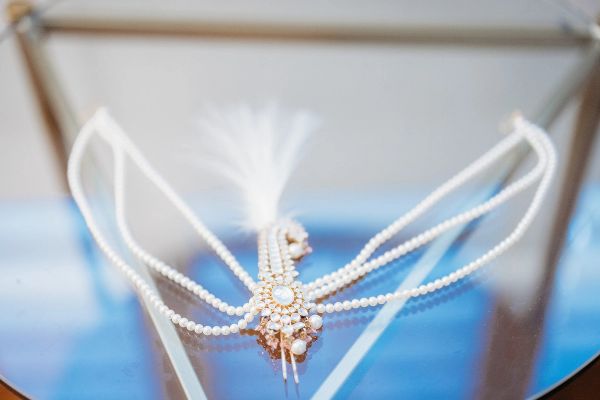
A strand of pearls worn by three generations of brides weighs almost nothing and often carries more meaning than anything else in the outfit. So does a grandfather's watch, a mother's bangles, or a brooch pinned inside a jacket. Heirloom pieces are some of the most personal choices in a wedding, and they are also some of the easiest to lose track of, clash with an outfit, or forget entirely on a busy morning.
This playbook walks through how to choose, prepare, wear, and photograph jewelry and accessories, with special attention to family pieces. The steps work for any outfit, from a white gown to a lehenga, a sherwani, a suit, or a festive look for a multi-day celebration.
Step 1: Take Inventory Early
Start a few months before the wedding by listing every piece you might wear, including items you are borrowing. Ask family members whether there is anything they hope you will include. Some families have pieces traditionally passed down for weddings, and knowing this early avoids last-minute surprises or hurt feelings.
- Gather the pieces, or photos of them, in one place.
- Note who owns each item and whether it must be returned the same day.
- Check each piece for loose stones, weak clasps, or worn settings.
If anything needs repair, cleaning, or resizing, take it to a jeweler well in advance. Older settings and clasps can be fragile, and a professional check is far better than discovering a problem on the morning of the wedding.
Step 2: Build the Look Around One Focal Point
Most outfits look strongest with one clear focal point. If you are wearing a bold heirloom necklace, simpler earrings and fewer rings may let it stand out. If the outfit itself is heavily embellished, as many traditional bridal and groom outfits are, the jewelry often follows a coordinated set rather than adding competing pieces.
Bring your jewelry to your final dress or outfit fitting so you can see everything together in good light. Pay attention to necklines, sleeve length, and how pieces sit against fabric. A long necklace may catch on beading, and heavy earrings may pull on fine hair or veils.
- Strapless and sweetheart necklines often suit statement necklaces or chokers.
- High or embellished necklines often pair better with earrings and no necklace.
- Long sleeves may hide bracelets, so consider rings or a watch instead.
Step 3: Plan for Comfort and Changes
Weddings are long, and jewelry that feels fine for ten minutes can become uncomfortable over ten hours. Heavy earrings, tight bangles, or stiff headpieces deserve a longer test wear at home. If you plan an outfit change for the reception or a later event, decide in advance which pieces will change with it and which will stay on all day.
For multi-day or multi-event celebrations, a simple chart showing which jewelry goes with which outfit can save time and stress. Share it with whoever is helping you dress. Leave a few extra minutes in each change for clasps, pins, and layered pieces, which always take longer than expected.
Step 4: Assign a Jewelry Keeper
Choose one trusted person to be responsible for jewelry and accessories throughout the day. Their job is to bring everything to the getting-ready space, help you put pieces on, hold anything you remove, and make sure borrowed items go back to their owners at the end of the night.
- Pack all pieces in a single labeled case or pouch.
- Include a small list of every item and its owner.
- Check the list again at the end of the reception before anyone leaves.
This small step prevents the most common heirloom problem: an earring left on a hotel dresser or a borrowed bracelet that cannot be found the next day.
Step 5: Make Sure the Pieces Get Photographed
Heirloom jewelry often has a story worth recording. Tell your photographer which pieces matter and why, and bring them to the getting-ready room early so they can be photographed with your rings, invitation, and other details. A short note listing each piece and its meaning helps the photographer capture the right moments.
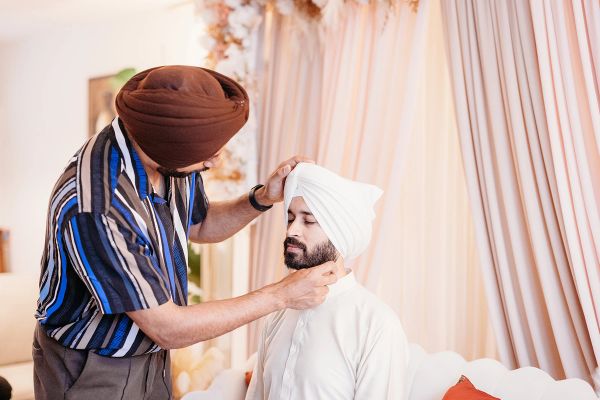
Some of the best images come from people rather than objects: a parent fastening a necklace, a grandparent placing bangles, or a sibling adjusting a pin. Let your photographer know who will help with which piece so they can be ready for those moments. Your hair and makeup artist can also time the finishing touches so jewelry goes on just before these photos.
Step 6: Protect Pieces After the Wedding
When the day ends, return borrowed jewelry promptly and store your own pieces safely. Clean them gently or have a jeweler do so, especially if they were exposed to lotion, perfume, or food. If a piece is valuable, ask your insurer whether it is covered while worn or traveling. Finally, write down the story of each heirloom while it is fresh, so the next generation knows why it mattered.
If you are still building your wedding team, browse Bay Area photographers and hair and makeup artists on BayAreaWeddings.com and ask how they like to work with family jewelry and heirloom details.
Browse Vendors