"Cocktail attire" is two words doing an enormous amount of work. To one guest it means a dark suit and tie. To another it means a sundress and sandals. To a third, visiting from out of town, it means nothing at all until they search it the night before and find five conflicting answers. The phrase on your invitation is the only instruction most guests will get, and it deserves more thought than it usually receives.
Our view is simple: a dress code should describe the day, not just the level of formality. Guests can handle almost any expectation if they know what they are walking into. What trips them up is a label that hides the details that matter.
Labels Describe Formality, Not Conditions
Traditional dress codes, from black tie to casual, were built to describe how formal an event is. They say nothing about whether the ceremony is on a lawn, whether the reception is outdoors after sunset, or whether guests will walk a gravel path from the parking area. Those details often matter more to what a guest should wear than the formality label does.
The Bay Area makes this especially visible. A coastal ceremony can feel very different from an inland vineyard reception on the same afternoon, and evening temperatures can shift quickly once the sun goes down. A guest who dressed perfectly for the label can still be cold, sinking into grass, or carrying shoes by the second hour.
That is why we think the most useful dress code is a label plus a sentence. The label sets the tone. The sentence tells guests what the label cannot.
What a Helpful Sentence Sounds Like
The extra line does not need to be long or fussy. It only needs to answer the questions guests would otherwise text you about. A few examples show the idea.
- "Cocktail attire. The ceremony is on grass, so block heels or flats are a good idea."
- "Formal attire. The reception moves outdoors after dark, and a layer is recommended."
- "Garden party attire. Expect a short walk on a gravel path from parking to the ceremony."
- "Festive attire. Traditional dress is warmly welcome, and bright colors are encouraged."
Each of these keeps the formality clear while giving guests one concrete detail to plan around. None of them tells anyone exactly what to wear, which is the point. Guests keep their choices, and you avoid a room full of people who were technically correct and visibly uncomfortable. If you are unsure which detail to include, ask your venue coordinator what guests most often get wrong there.
Invented Dress Codes Need Translation
Creative labels such as "California chic," "vineyard formal," or "elevated casual" can be charming, and they often reflect the couple's personality well. The trouble is that guests have no shared definition for them. An invented phrase without an explanation invites guessing, and guessing tends to produce the widest possible range of outfits.
If you love a creative label, keep it, and then translate it. Pair it with a familiar reference point and a practical note. "Vineyard formal: think cocktail attire with comfortable shoes for uneven ground" gives guests something they can act on while keeping the tone you wanted.
Say What You Want, Kindly and Directly
Some couples have specific requests: a color palette, a request to avoid white, a preference for or against traditional dress, or a wish that guests skip jeans. These requests are reasonable, and we think guests generally appreciate hearing them plainly rather than discovering them through hints.
Phrase requests as invitations rather than rules where you can. "We would love to see jewel tones" lands more warmly than "no pastels." When something truly matters, such as a cultural or religious requirement for covered shoulders at a ceremony site, say so clearly and early so guests can plan.
- Put the short version on the invitation itself.
- Expand on your wedding website, with example photos if you have a specific look in mind.
- Mention practical conditions there too: terrain, temperature changes, and how long guests will be outside.
A Dress Code Is Hospitality
It is easy to treat a dress code as a rule guests must follow. We think it is better understood as a piece of hospitality, much like directions to the venue or a note about parking. Its job is to help people arrive feeling good about how they look and comfortable enough to enjoy the day.
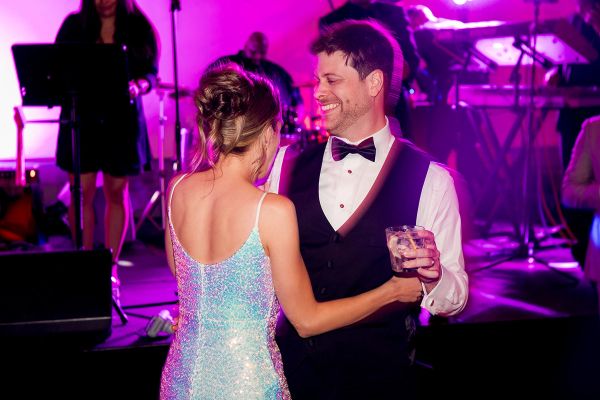
That framing also helps with photos. When guests are dressed for the actual conditions, they relax, stay on the dance floor longer, and look like themselves in candid images. Your photographer will notice the difference, and so will you when the gallery arrives.
Before your invitations go to print, read your dress code line as if you were a guest who has never been to your venue. If you can picture what to wear and what to bring, it is ready. If you have to guess, add the sentence. For help with wording, browse Bay Area invitation designers and planners on BayAreaWeddings.com and ask how they handle dress codes for venues like yours.
Browse Vendors