Two photographers can stand in the same spot, at the same moment, with the same couple, and deliver galleries that look like different weddings. The difference is rarely the camera. It is the editing: the choices about brightness, contrast, color, and skin tone that happen after the day is over. Editing style is one of the most visible parts of what you are buying, and one of the least discussed when couples compare photographers.
This guide explains the two styles couples most often ask about, the middle ground most galleries actually land in, and how Bay Area light and seasons affect each look.
What Light and Airy Means
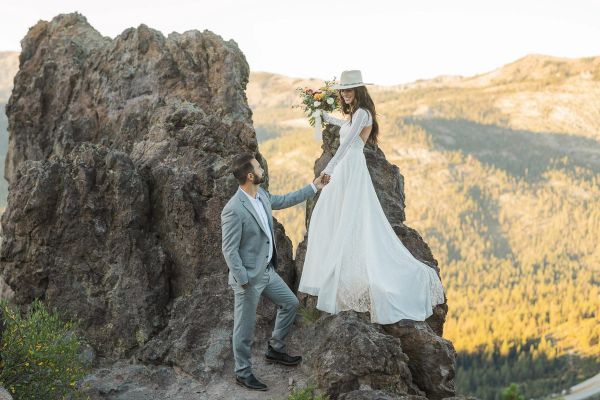
Light and airy editing favors bright exposures, soft contrast, and gentle, often warm or pastel color. Shadows are lifted so that dark areas still show detail, and whites tend to look clean and luminous. Greens are frequently softened toward a muted or slightly golden tone.
The style suits outdoor ceremonies, garden venues, and daytime weddings with plenty of open shade. It tends to flatter skin and gives a gallery a romantic, effortless feel. Its limits show in darker settings. In a dim ballroom or a late evening reception, pushing everything bright can flatten mood and make deliberate lighting, such as candles or uplighting, look washed out.
- Strengths: soft skin tones, cheerful mood, consistent look across daytime scenes.
- Watch for: blown-out whites on dresses, faded skies, and evening scenes that lose their atmosphere.
What Moody Means
Moody editing leans the other way. It keeps deeper shadows, richer contrast, and more saturated or cinematic color. Blacks stay dark, and the eye is guided toward the brightest part of the frame. Evening light, candlelight, and strong window light often look dramatic in this style.
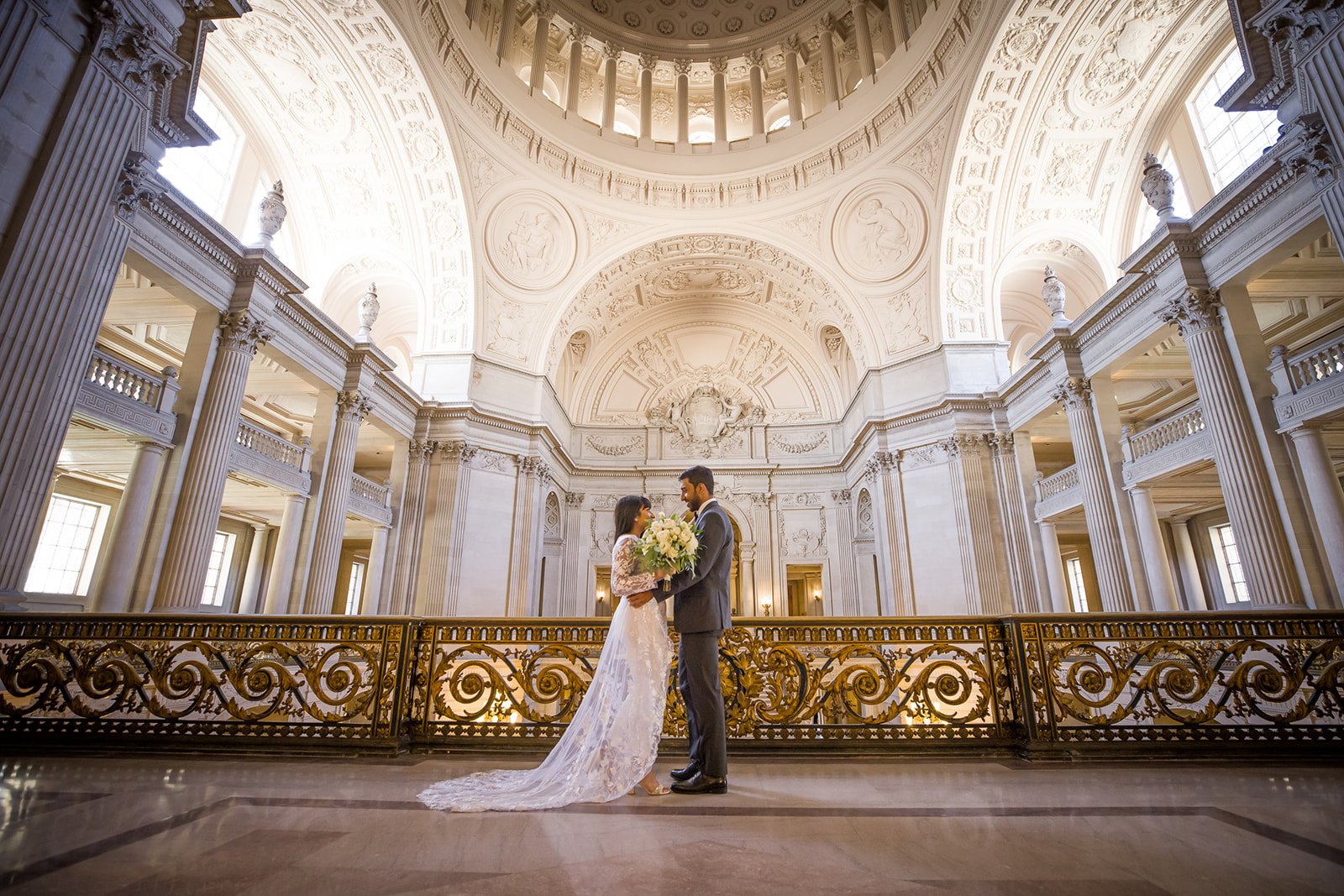
The look suits indoor venues, historic interiors, and receptions where the lighting design is part of the experience. A couple beneath an ornate ceiling, like the one above, can carry a moodier treatment well because the architecture and warm light do much of the storytelling. The tradeoff is that heavy shadows can hide detail, and some skin tones can look muddy if contrast is pushed too far.
- Strengths: atmosphere, depth, and a strong sense of place at night or indoors.
- Watch for: crushed shadows, color casts on skin, and daytime scenes that feel darker than the day did.
Most Galleries Live in the Middle
Many photographers describe their work as true to color, natural, or documentary. In practice this usually means an edit that sits between the two extremes: accurate skin tones, realistic color, and contrast that changes with the scene instead of following one fixed recipe. A natural edit may look brighter in a garden and deeper at the reception, because it follows what was actually there.
This approach tends to age well. Trend-driven editing, whether very bright or very dark, can start to look dated after several years, much like any style tied to a particular moment. A balanced edit is less likely to feel like a specific year when you look back at it.
How Bay Area Light Shapes the Look
Local conditions affect how any style performs. Coastal fog and marine layer create soft, even light that many photographers love for portraits, and it naturally supports a lighter, cleaner edit. Inland and wine country afternoons can bring strong sun and hard shadows, which can make a very bright edit harder to keep consistent. Many fall evenings move quickly from golden light into dark, which tests how well a photographer handles the shift between daytime and nighttime images.
Season matters as well. Autumn and winter weddings often include more indoor time and earlier sunsets, which can favor photographers who are comfortable with richer, moodier evening work. Spring and summer outdoor celebrations give lighter styles more room to shine. Neither is a rule, but it is worth thinking about where most of your day will happen.
How to Tell What You Will Actually Receive
Portfolio highlights are curated. To see a photographer's real editing, ask for something closer to a full delivery.
- Request one or two complete galleries from weddings similar to yours, ideally at the same venue or a similar setting.
- Look at the reception images, not just the portraits. Low light reveals the most about editing choices.
- Check skin tones across different people in the same scene, especially under mixed lighting.
- Ask how they adjust their edit for indoor versus outdoor scenes, and whether they ever change style for a client.
- Look at white dresses and shirts in bright sun to see whether detail is preserved.
Bring a handful of reference images you love and a few you dislike to your consultation. Specific examples make the conversation far more productive than describing a style in words.
Choosing the Style That Fits You
Start with how you want to feel looking at your photos years from now, then match that to where your wedding takes place. A bright garden ceremony and a candlelit reception can both look beautiful in either style, but one will usually feel more like the day you remember. If you are still comparing photographers, browse Bay Area photographers on BayAreaWeddings.com and ask each one to walk you through a full gallery. Their editing decisions will be easy to see once you know what to look for.
Browse Vendors