A veil is the lightest thing most brides wear and the first thing the wind finds. On a sheltered garden lawn it floats exactly as planned. On a coastal bluff, a hilltop vineyard, or a waterfront terrace, the same veil can wrap around a face, catch on a bouquet, or lift straight up during the vows. None of that means you should skip one. It means the choice deserves a little more planning than the dress fitting usually allows.
Here are ten practical ways to choose and wear a veil that holds up to Bay Area conditions and still looks the way you imagined in photos, along with a note on headpieces for anyone wearing a turban, dupatta, or other traditional covering.
Choosing the Right Veil
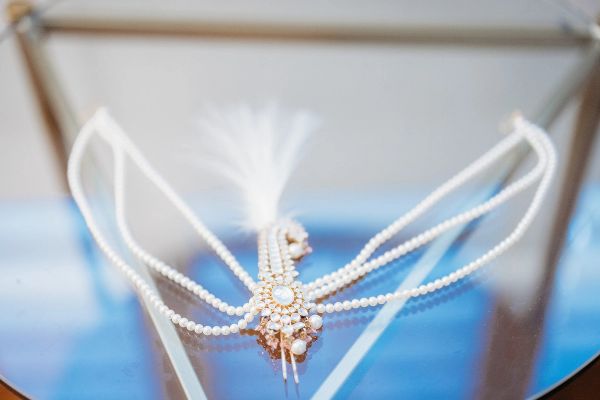
- Match the length to the site, not only the dress. Longer veils, such as chapel and cathedral lengths, create dramatic photos but give the wind more fabric to grab. Shorter options like fingertip, elbow, or birdcage styles move less and are easier to manage outdoors. If you love a long veil, consider wearing it for the processional and a few portraits, then removing it for the rest of the day.
- Consider the weight of the fabric. Very sheer, lightweight tulle catches every breeze, while heavier tulle, silk, or lace-edged veils tend to fall and settle more quickly. Ask your bridal shop to show you veils in more than one weight and hold each one up near an open door or fan.
- Think about the edge. A lace or trimmed edge adds a little weight along the hem, which can help a veil hang instead of flying. A raw or cut edge is lighter and more likely to lift. The difference may seem small in a fitting room and noticeable on a ridge.
- Choose single or double layers deliberately. A blusher layer worn over the face looks beautiful, but it can blow into the eyes and mouth during the ceremony. If your site is exposed, plan when the blusher will be lifted, and practice lifting it smoothly.
Securing It So It Stays Put
- Plan the attachment with your hair stylist. A veil is only as secure as the comb, pins, or clips holding it. Bring the veil to your hair trial so the stylist can build the style around it, place it at the right height, and anchor it firmly. A veil tucked into a low bun often behaves differently from one set high on the crown.
- Ask about discreet weights or hidden clips. Some bridal shops and stylists can add small weights to the hem or sew in an extra loop or comb. These quiet additions can keep the fabric under control without changing how it looks in photos. Ask what your shop recommends before the final fitting.
- Assign a veil helper. A bridesmaid, family member, or coordinator who knows how the veil attaches can fix it quickly after a gust, smooth it before the processional, and gather it during group photos. Show them the attachment at your hair trial, not on the morning of the wedding.
Working With the Weather and the Photographer
- Check the wind direction at your ceremony site. Many coastal and hilltop venues have prevailing breezes in the afternoon. Ask your venue coordinator which way the wind usually blows during your ceremony window, and tell your officiant and photographer. Positioning the couple so the wind blows the veil behind rather than across the face can make a noticeable difference.
- Use the wind for portraits. A breeze that is a nuisance during the vows can create some of the most striking images of the day. Many photographers love a veil caught in moving air, especially against the ocean or open sky. Plan a few minutes for these portraits after the ceremony, when you are free to play rather than trying to keep still.
- Have a backup plan. If the wind is truly strong, it is fine to remove the veil after the processional or wear it only for portraits in a sheltered spot. Keep a garment bag or veil box nearby so it can be stored without wrinkling or snagging.
Turbans, Dupattas, and Other Headpieces
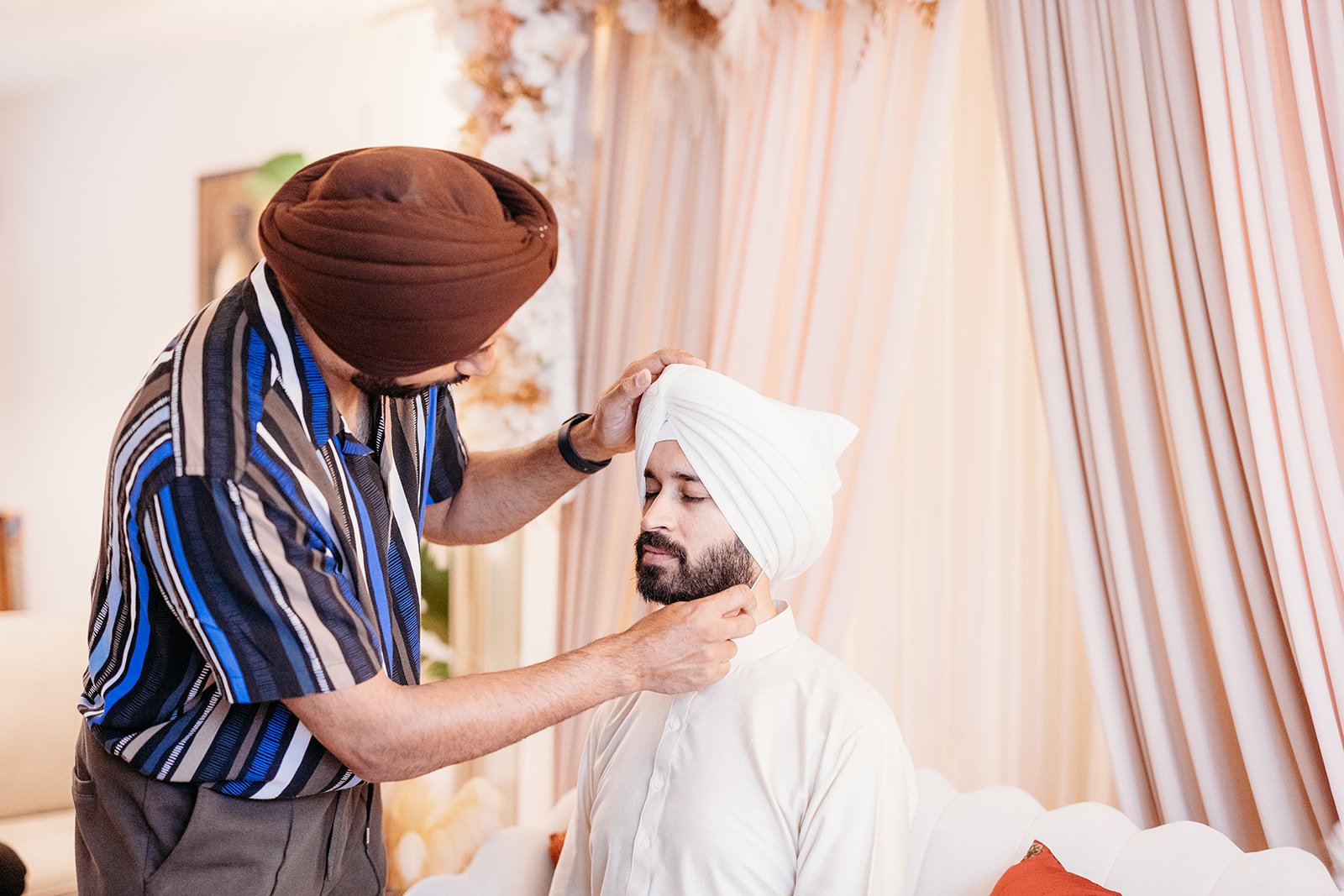
Many Bay Area weddings include traditional head coverings, from turbans and pagris to dupattas, mantillas, and headscarves. The same principles apply: weight, fabric, and how the piece is secured all affect how it behaves in the wind. Turbans are typically tied to stay firmly in place, while a draped dupatta may need pins at the shoulder or hair to stay put during the ceremony.
Ask the person who will tie or drape the headpiece to do a practice run, and confirm how long it takes so the getting-ready timeline includes it. A few extra pins, a small mirror, and a helper who knows how it should sit can save a lot of adjusting later.
A Quick Pre-Wedding Checklist
- Bring the veil or headpiece to your hair and makeup trial.
- Ask your bridal shop about weight, edge, and any added clips or combs.
- Find out the usual wind direction at your ceremony site and share it with your officiant and photographer.
- Choose a helper and show them how the veil attaches.
- Plan when the veil comes off, if it will, and where it will be stored.
A veil that is chosen for your site and secured with care will feel like part of the day rather than something to manage. If you are still assembling your team, browse Bay Area hair and makeup artists, photographers, and venues on BayAreaWeddings.com and ask each one how they have handled windy ceremonies in the past.
Browse Vendors