Eight hours of photography coverage is 480 minutes. Every one of them goes somewhere: some to posed portraits and family formals, some to candid moments nobody arranged, and some to travel, setup, and waiting between events. Most couples say they want "mostly candid" photos, then build a timeline that spends a surprising share of those minutes on posed groups. The result is not wrong, but it is often different from what they pictured.
Treating coverage time like a budget makes the balance easier to see. Below is one illustrative breakdown of an eight-hour day, followed by ways to shift the mix toward the photos you actually want. The numbers are examples to think with, not a standard every photographer follows.
What Each Style Actually Gives You
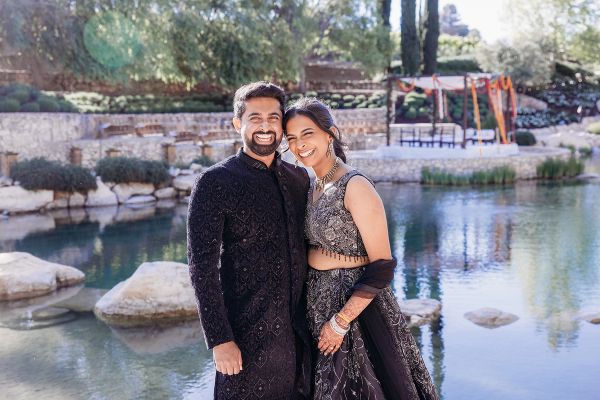
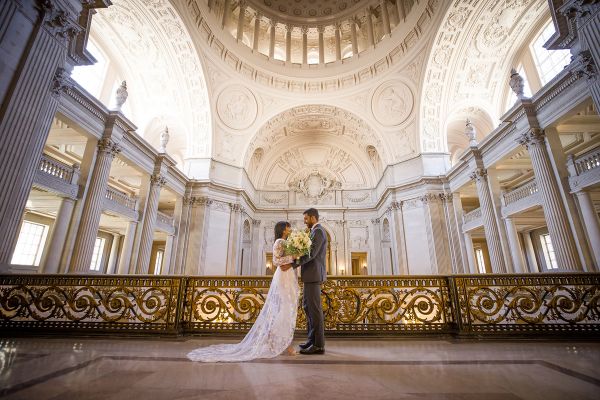
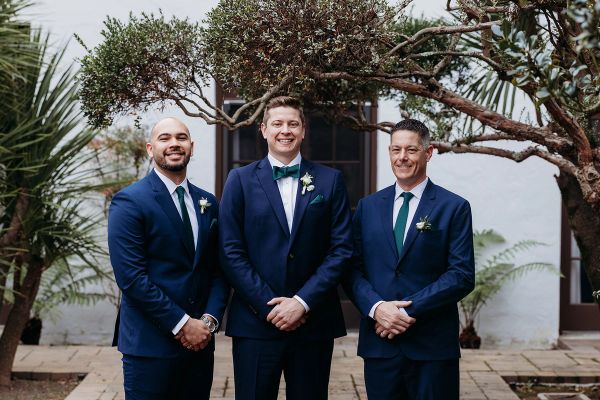
Posed photos are directed. The photographer arranges people, chooses the light, and makes sure everyone is looking their best. These are the images that end up framed on a grandparent's wall: the full family, the wedding party, the couple in a carefully composed portrait. Their value is reliability. If you need a photo of every branch of the family, posed time is how you get it.
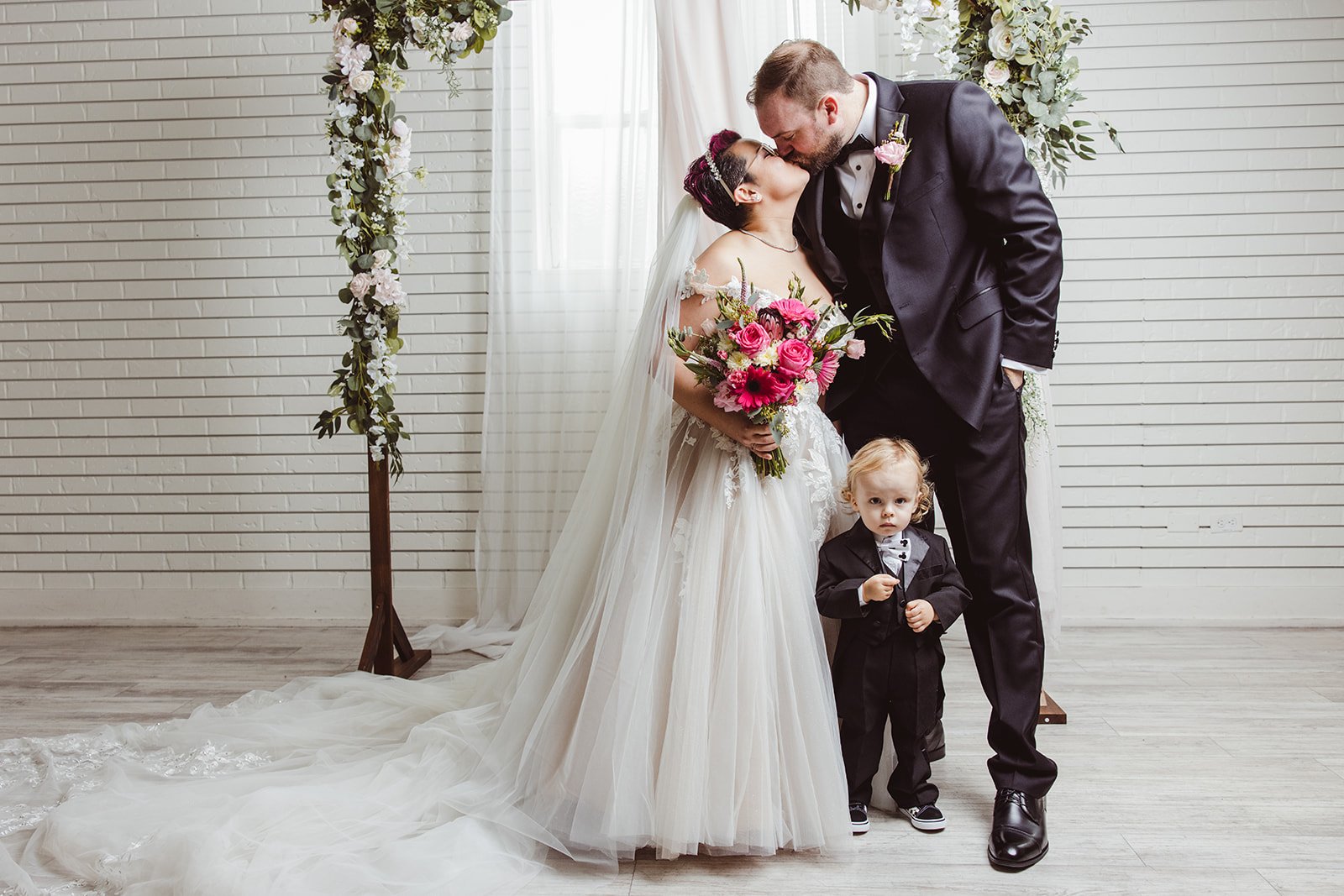
Candid photos are observed. The photographer watches and anticipates, capturing reactions, laughter, tears, and small exchanges as they happen. A child reaching for the couple during a kiss, like the moment in the photo above, cannot be scheduled. Candid images are often the ones couples describe as feeling most like their day, but they depend on time when nothing is being directed.
An Illustrative Eight-Hour Time Budget
Here is how a typical full-day timeline might divide coverage. Your own day will differ depending on your venue, family size, and schedule.
- Getting ready, about 60 minutes. Mostly candid, with a few directed detail and portrait shots.
- First look and couple portraits, about 45 minutes. Mostly posed, with candid moments during the reveal.
- Wedding party photos, about 30 minutes. Mostly posed.
- Ceremony, about 30 minutes. Almost entirely candid.
- Family formals, about 30 minutes. Entirely posed.
- Cocktail hour, about 60 minutes. Mostly candid guest coverage.
- Reception entrances, toasts, first dances, and dinner, about 120 minutes. Mostly candid.
- Dancing, cake, and send-off, about 75 minutes. Mostly candid.
- Travel between locations and buffer, about 30 minutes. Neither.
In this example, roughly 105 minutes are spent mainly on posed work and about 345 minutes are mostly candid, with the rest absorbed by travel and buffer. That looks heavily candid on paper. The catch is that posed segments tend to run long, and when they do, the time usually comes out of cocktail hour or golden-hour portraits, which are some of the best candid and creative windows of the day.
Where Posed Time Quietly Grows
Posed time rarely expands because anyone planned it. It grows through small additions that each seem reasonable.
- Family lists that keep adding combinations, especially extended family.
- Missing people. A single absent relative can stall formals for several minutes.
- Large wedding parties, which take longer to arrange and light well.
- Moving between locations for portraits, especially at large venues.
A family formal list of ten to fifteen groups, shared with your photographer and a family member who can gather people, keeps this section predictable. Every group added beyond that is a few more minutes that come from somewhere else.
How to Shift the Balance Toward Candid
If you want more candid photos, the most effective move is protecting unstructured time rather than asking the photographer to shoot differently.
- Do a first look and some portraits before the ceremony, so cocktail hour stays free for guest coverage.
- Keep the family formal list focused, and assign someone to gather each group.
- Leave a buffer between the ceremony and reception so the day does not feel rushed.
- Let your photographer roam during cocktail hour instead of scheduling extra posed sessions.
- Build a few minutes of downtime into the reception before dancing starts.
If you want more posed portraits, the same logic applies in reverse. Schedule a dedicated portrait block near sunset, ask for extra time with the wedding party, or add a second photographer so one person can direct while the other observes.
How to Tell Your Photographer What You Want
Vague requests like "mostly candid" are hard to act on. Specific examples work better. Share five to ten images you love, note which ones are posed and which are candid, and explain what draws you to each. Ask your photographer how they usually balance the two and where in the timeline they find their best candid moments. Most will happily adjust their approach once they know your priorities.
It also helps to name the moments that matter most to you personally. Maybe it is a grandparent seeing you for the first time, a sibling's toast, or the last dance with a parent. When your photographer knows which candid moments you care about, they can position themselves to catch them instead of hoping to be in the right place.
Your photographer and planner can help you build a timeline that reflects the mix you want. If you are still comparing teams, browse Bay Area photographers, videographers, and planners on BayAreaWeddings.com and ask each one to walk you through how they would spend your coverage hours.
Browse Vendors