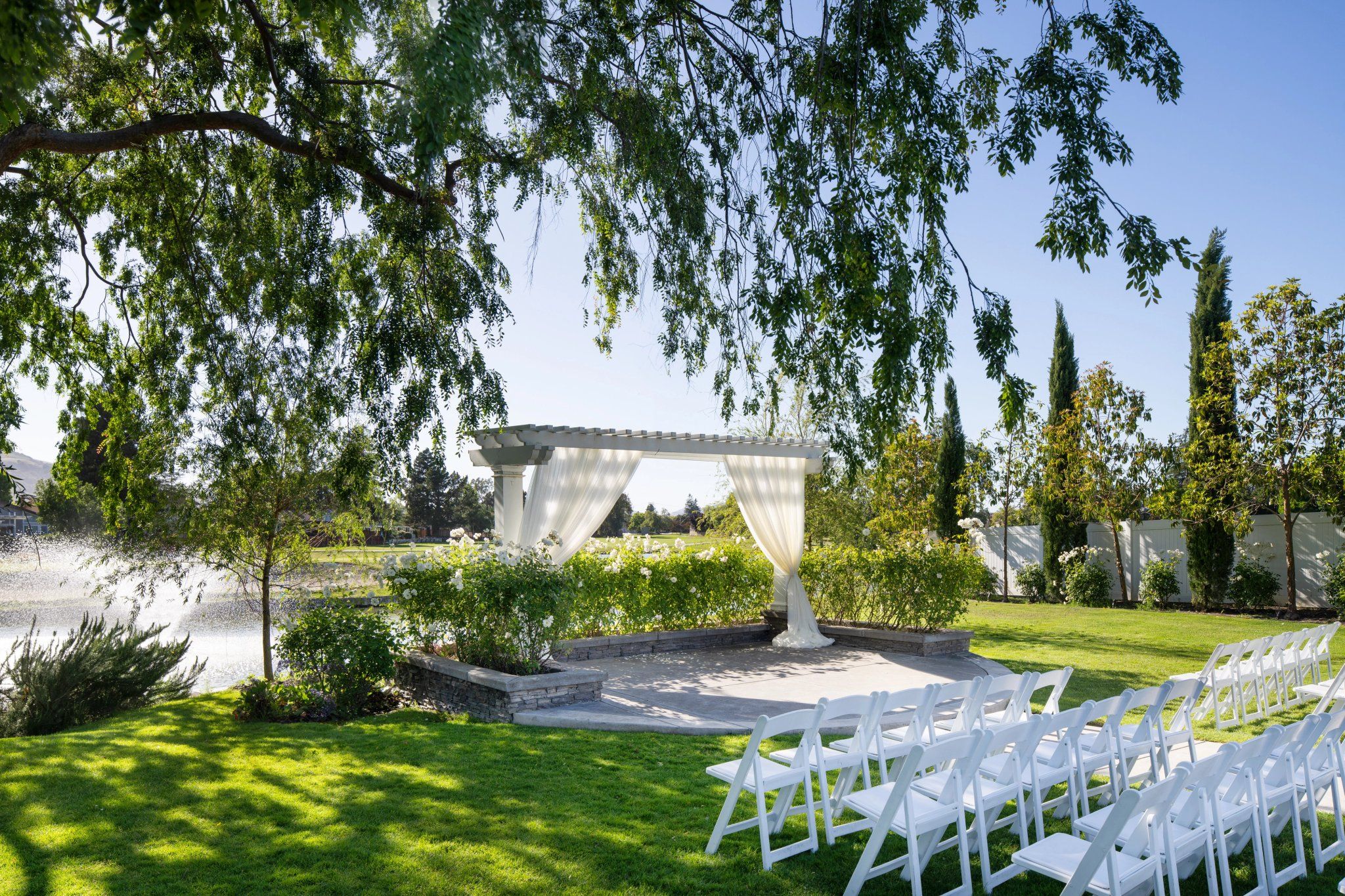
Planning a Bay Area wedding ceremony in a public space has one big “gotcha”: you can be doing everything right (small guest count, no amplified sound, no rentals), and still need a permit.
This guide breaks down where permits usually come up in the Bay Area, what the process looks like, what it can cost, and the planning timeline you should assume so you’re not trying to email a parks department two weeks before your vows.
The 3 kinds of “permits” couples run into
Before you book anything, it helps to know what you’re actually asking for.
1) Ceremony / special event permits
These are the permits most people mean when they say “wedding permit.” They cover a gathering for a ceremony (and sometimes a short cocktail hour) in a park, beach, overlook, garden, or plaza.
They often set rules around:
- guest count
- setup time and teardown time
- whether chairs, arches, or décor are allowed
- whether you can reserve an area exclusively
- whether music (even a small speaker) is allowed
2) Photography / filming permits
If you’re bringing a professional photographer, a tripod, lighting, or a bigger team, some agencies treat it differently than a simple “couple taking photos.” Even if your ceremony doesn’t require a permit, your photo plan might.
3) Venue permits (for government buildings)
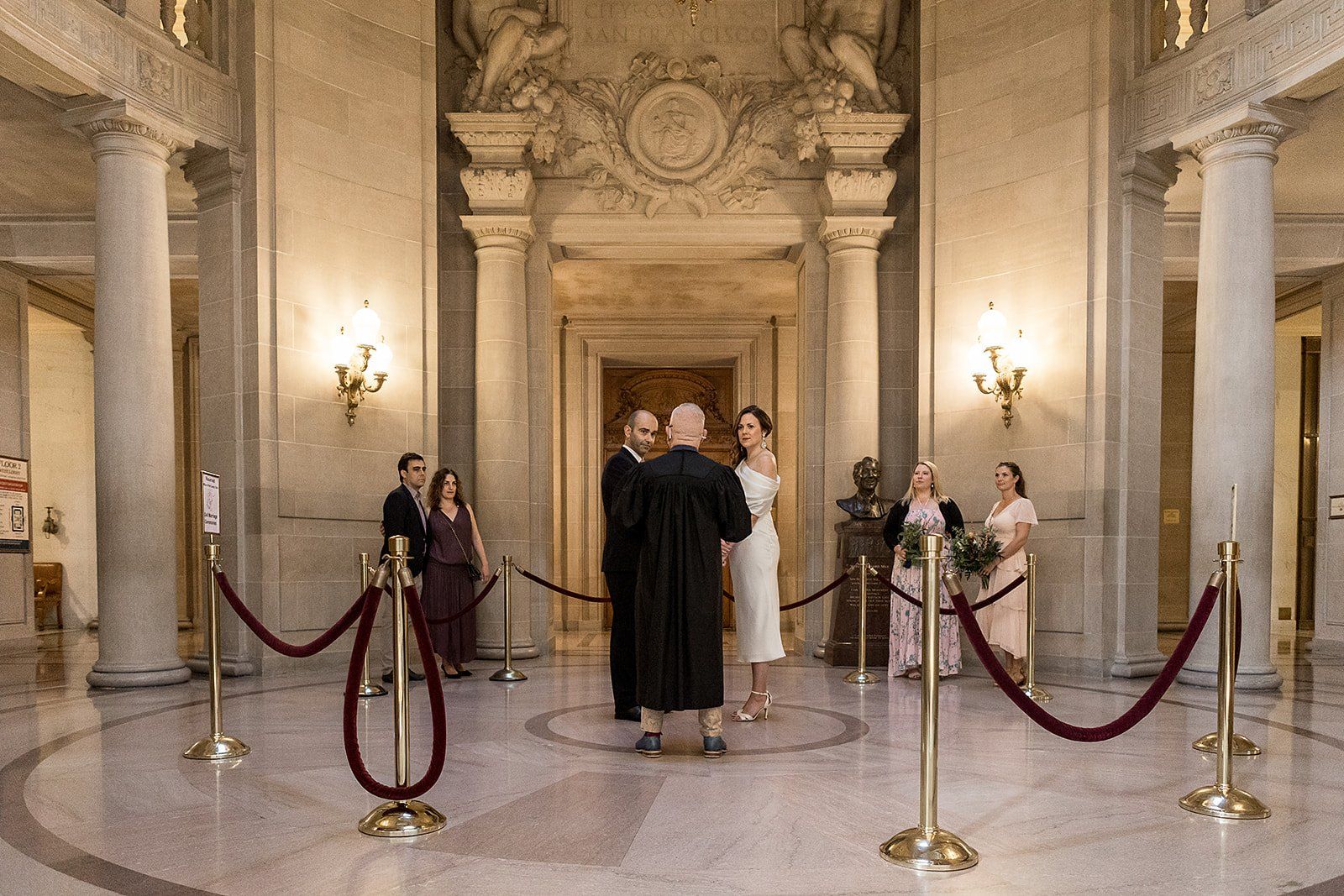
For places like City Hall, the “permit” is usually a reservation fee or an events booking — and the rules are very specific about guest count, vendors, and where you can stand.
Bay Area public-space weddings: the common reality
In the Bay Area, you’ll see three patterns again and again:
- Permits are required even for small ceremonies. Point Reyes National Seashore states that permits are required for any size wedding or outdoor ceremony group, and their Special Use Permit process includes a $50 application/administrative fee and an insurance requirement.
- The earlier you ask, the easier it is. Some agencies can respond quickly, but approvals, insurance paperwork, and final permit writing can take time.
- Rules change by location, not just by agency. Two beaches in the same system may have different allowed areas, hours, and constraints.
Example: National Park Service rules (Point Reyes)
If your dream is windswept cliffs, cypress trees, or a quiet beach overlook, you might be looking at National Park Service land.
Point Reyes National Seashore is a good example of how structured the process can be:
- Permits are required for any size wedding or outdoor ceremony group.
- Insurance is required: a Certificate of Insurance with a minimum of $1,000,000, naming the United States (Department of the Interior, National Park Service) as additional insured.
- Application steps include: completing NPS Form 10-930, paying a $50 initial application/administrative fee through pay.gov, and emailing the application to pore_special_park_uses@nps.gov.
Practical takeaways:
- Build extra time into your plan. Even after initial review, final permit writing can take longer than you’d expect.
- Start the permit conversation before you book other vendors. Some parks have strict limits on décor, chairs, and music.
Example: California State Beaches (San Mateo County coast)
California State Parks manages a lot of iconic ceremony settings near the Bay Area — including beaches along Highway 1.
San Gregorio State Beach (San Mateo County) is a clear example of how the language is often written:
- Permits are required for all events and weddings.
- For weddings and special events, the listed contact is SMPermits@parks.ca.gov and (650) 726-8819.
Practical takeaways:
- Even if you’re planning something simple (no chairs, no arch), assume you need to ask.
- Coastal sites often have extra considerations: tide lines, sensitive habitat areas, limited parking, and wind.
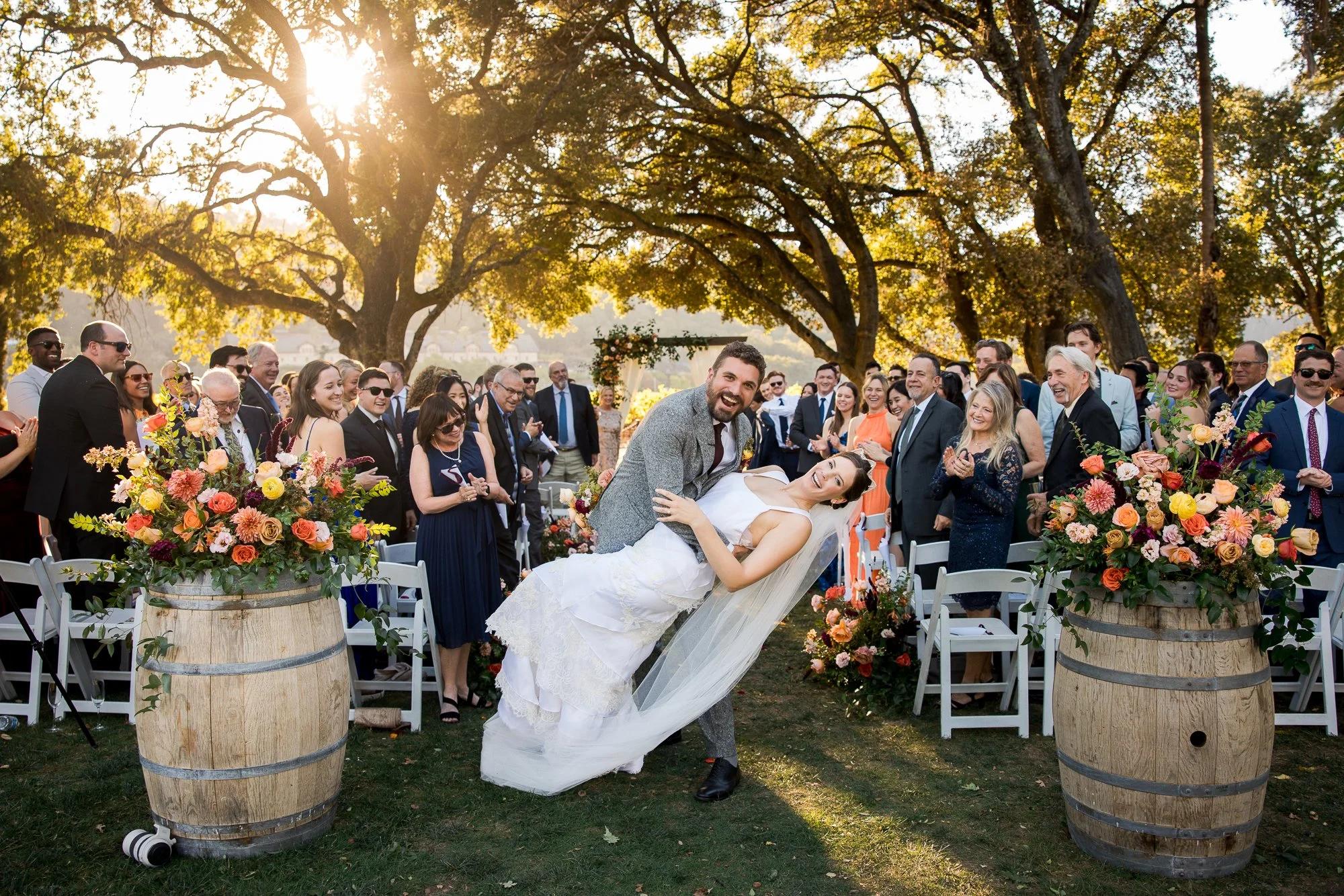
What about San Francisco City Hall?
City Hall is its own category: it’s not a “park permit,” it’s a venue-style reservation system.
Your key planning questions here are:
- Are you doing a simple civil ceremony, or reserving a private area?
- How many guests are you bringing?
- Do you want to bring your own officiant and musicians?
Because City Hall policies and fees can change year to year, treat any third-party blog pricing you see as a rough estimate and confirm current options directly with the City Hall events team.
Your permit timeline (a realistic planning checklist)
90–180+ days out (earlier is better)
- Decide on 2–3 ceremony locations in the same general area.
- Email the permit office with: date, time window, estimated guest count, and whether you want chairs, an arch, music, or a photographer.
- Ask if there are restrictions on amplified sound, alcohol, ceremony décor, and throwing petals/rice/birdseed (often not allowed).
30–90 days out
- Lock in your permit and pay required fees.
- Confirm insurance requirements (if any) and start that paperwork with your insurer.
- Confirm vendor access rules (where they can park/load-in).
7–14 days out
- Print permits and share them with your coordinator or point person.
- Do a quick site walk at the same time of day as your ceremony.
- Build a Plan B for weather, wind, and fog.
A simple way to avoid permit stress: pick the right format
If permits feel like a headache, choose a format that keeps you flexible:
- Weekday morning or early afternoon ceremonies usually have more availability.
- Very small guest counts can open up more locations (and less disruption).
- No-chair ceremonies are often simpler to permit than full setups.
Then plan your celebration meal at a restaurant or private dining room nearby — you get the beauty of the public setting without trying to turn a beach overlook into a full venue.
A quick disclaimer (worth repeating)
Every park, beach, and government venue can change its program, fees, rules, and insurance requirements. Always confirm current terms directly with the managing agency’s events or permit office.
Browse Vendors