Outdoor ceremonies are one of the best parts of getting married in the Bay Area — redwoods, coastline, vineyards, city parks, and backyard light that looks like it was ordered from central casting. The tradeoff is that public lands come with rules, and Bay Area weather comes with opinions.
This guide is a practical, Bay Area–specific checklist for planning an outdoor ceremony that actually goes smoothly: permits, timing, sound, wind, fog, and what a realistic backup plan looks like.
1) Start with the question: “Is this an event, or just a gathering?”
If you’re thinking about a public park, beach, overlook, trailhead, or forest clearing, assume you need to talk to an events office — even for small groups. Some agencies are explicit: Point Reyes National Seashore states that permits are required for any size wedding or outdoor ceremony group, with a $50 application/administrative fee and insurance requirements. California State Parks can be equally clear: San Gregorio State Beach states permits are required for all events and weddings.
Why this matters: a permit is not only about permission. It’s about reserving a specific area, defining your time window, clarifying what you can bring in (chairs, arch, musicians, amplified sound), and avoiding conflicts with other visitors.
Quick reality check: your photographer may also need a separate commercial photography permit depending on the location and whether your shoot impacts public access.
2) Typical outdoor-ceremony permit “gotchas” in the Bay Area
Even when a location allows weddings, there are common restrictions that affect your ceremony design.
Guest count caps and “zone” rules
Many public lands allow ceremonies only in certain designated spots (or only at certain times of day) to reduce impact. In practice, that means you should choose the ceremony site first — then design your guest count and layout to fit it.
Insurance and named insured language
Some agencies require a certificate of insurance (COI) and are picky about the wording. For example, Point Reyes references a COI requirement at a minimum of $1,000,000 naming the United States (Department of the Interior / National Park Service) as additional insured. This is one of those details that’s easy to miss until the week you’re finalizing paperwork.
No-stake and no-damage rules
Outdoor spaces often ban tent stakes, nails, confetti, rice, sparklers, or anything that can blow away. Plan for weighted bases (sandbags) and opt for “clean” exits (bubbles, ribbon wands, handheld petals you collect immediately).
Amplified sound and live music
If you want microphones, speakers, or a small band, confirm if amplified sound is allowed — and what the decibel/time limits are. If the answer is “no amplification,” a small battery-powered speaker may still be considered amplification.
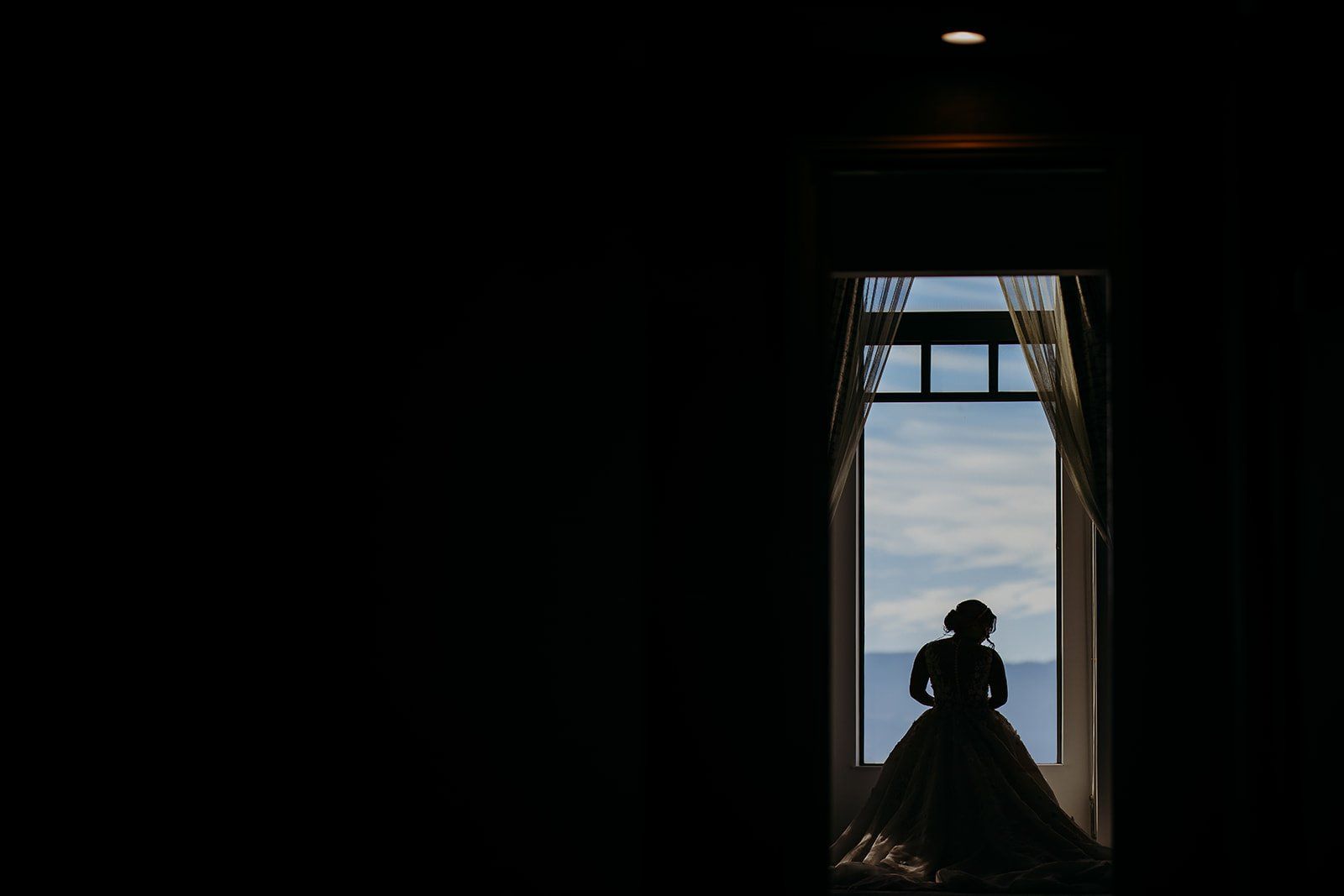
3) Bay Area weather: plan for the marine layer, not the forecast screenshot
If you’ve ever watched a sunny Bay Area afternoon turn into fog in 20 minutes, you already know the main rule: don’t plan an outdoor ceremony like you’re in a stable-climate city.
The marine layer is real. Local meteorologists often explain it in plain terms: fog forms when air cools to the dew point, and in coastal California, cold ocean upwelling plus onshore winds can push that fog inland; high pressure can trap it near the surface.
Microclimate planning by region
Here’s the version couples actually need:
- San Francisco + coastal venues (Half Moon Bay, Pacifica, Sausalito, Stinson): Late afternoon can be colder than you think, even in summer. Plan layers, consider earlier ceremony timing, and avoid “wind-sensitive” items (veil drama is real).
- East Bay + inland valleys (Walnut Creek, Pleasanton, Livermore): Heat is the bigger issue. Build shade into the guest experience, and consider water stations near the ceremony.
- Redwoods + forest venues: Temperature can drop fast in shade, and paths can be damp even when the forecast is dry.
4) Timing: choose ceremony time based on comfort, not tradition
In the Bay Area, timing is a comfort decision first, a photo decision second.
- If you’re on the coast: earlier often means less wind and a better chance of sun before fog rolls in.
- If you’re inland: avoid the hottest hour; late afternoon can be beautiful, but consider guest comfort and older relatives.
- If you’re in a public park: your permit window may be short. Build a realistic buffer so you’re not rushing guests to exit as your time ends.
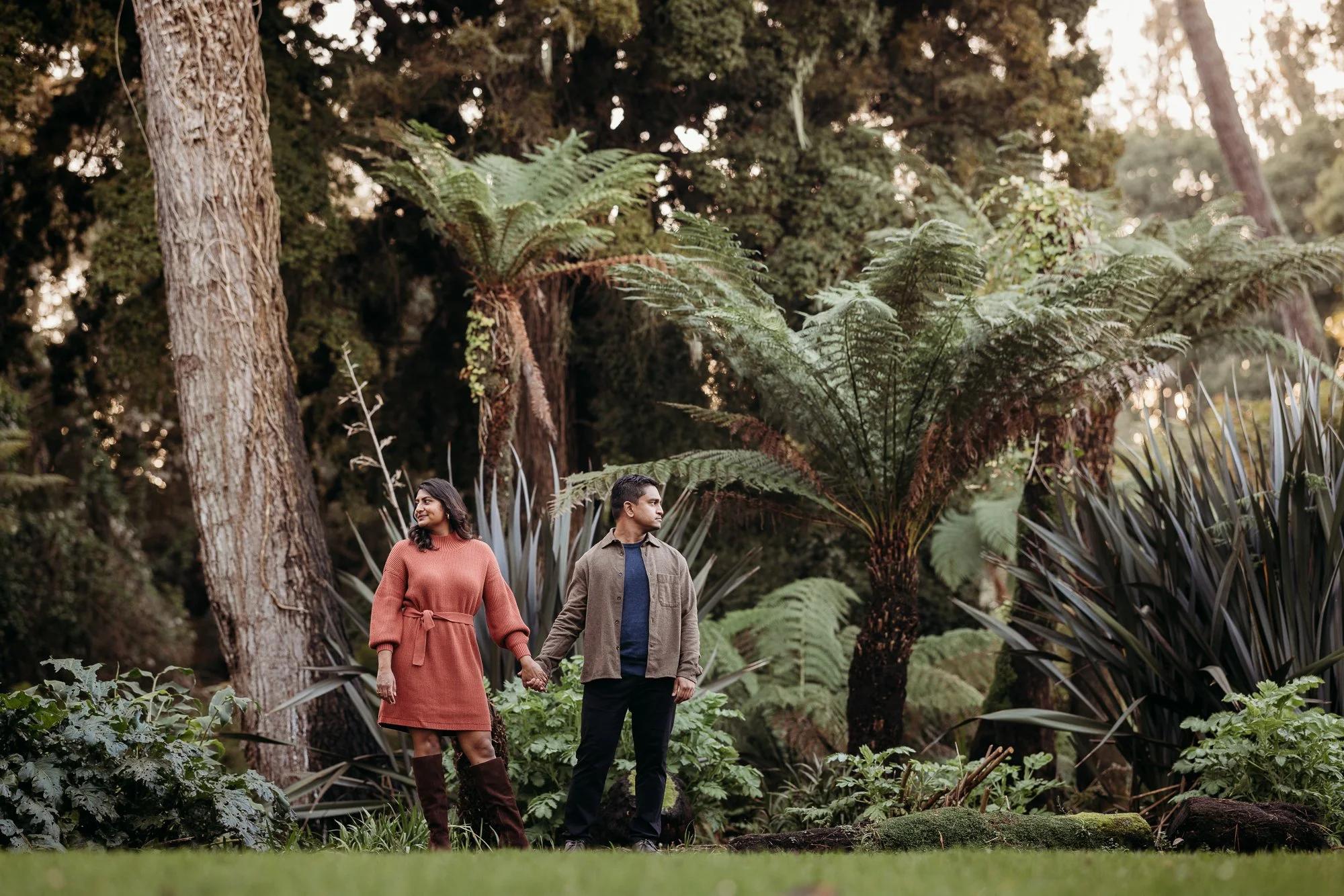
5) Your backup plan must be a real plan (not “we’ll figure it out”)
A credible backup plan has all three of these elements:
- A defined alternate location (not just “inside somewhere”).
- A clear trigger (what makes you switch, and when you decide).
- A logistics owner (who executes the switch).
Common Bay Area backup options that actually work
- Covered outdoor space: A pergola, pavilion, or tented area that is already approved for your site.
- Indoor ceremony room: If your reception venue has a built-in indoor space, ask if flipping the room changes capacity, rentals, or staffing.
- “Plan B” venue nearby: For public parks or beaches, a nearby restaurant private room or small event space can be a lifesaver (but only if you book it).
6) Wind planning: secure the ceremony, secure the photos
Bay Area wind is the quiet budget-killer because it forces you to buy solutions last-minute.
- Choose heavier florals (or build the arrangement into a stable base).
- Use weighted aisle markers.
- Avoid tall, lightweight arches unless they’re professionally installed.
- If you’re renting chairs in a public space, confirm delivery access and cleanup rules.
7) Guest experience details people remember
Outdoor ceremonies are stunning — but guests judge them on comfort.
Consider:
- Arrival + parking: If parking is tight, assign a helper to guide guests, or use a shuttle plan.
- Restrooms: Public park restrooms vary wildly. If your event is large or remote, ask whether portable restrooms are required.
- Sound: If vows matter to you, sound planning matters. If amplification isn’t allowed, consider a smaller ceremony circle so guests can hear.
- Accessibility: Trails, sand, and uneven paths can be tough for elderly guests. Confirm an accessible route.
8) A quick permit + planning checklist
Use this as your short list when you’re vetting an outdoor ceremony location:
- Does the site explicitly allow weddings/ceremonies?
- Do you need an event permit, and how far in advance?
- What are the guest count caps and designated ceremony areas?
- Are chairs, arches, and décor allowed? Any “no stake/no damage” restrictions?
- Are live musicians or amplification allowed?
- Are there required insurance documents (COI)?
- What’s the realistic load-in/load-out plan?
- What is your Plan B location, trigger, and owner?
Every venue’s program changes — confirm current terms with their events team before you book vendors or publish guest logistics.
If you want, take your top two ceremony locations and run them through this checklist side-by-side. You’ll usually find one is dramatically easier to execute (and that’s the one that feels effortless on the day).
Browse Vendors