If you’ve ever asked two Bay Area florists for “wedding flowers pricing” and gotten quotes that are thousands of dollars apart, you’re not imagining things.
Part of the confusion is that florals aren’t priced like a fixed menu. They’re priced like design + production: recipe development, sourcing, build time, delivery logistics, on-site setup, and sometimes strike (teardown). The flowers themselves are only one line item.
This guide breaks down what actually drives wedding florist pricing in the San Francisco Bay Area, what you can do to keep costs sane without ending up with sad centerpieces, and how to compare quotes fairly.
Quick reality check: what Bay Area couples tend to spend
Nationally, The Knot reports the average cost of wedding flowers is $2,800, and the “West” regional average is $2,400. (That’s an average across all wedding types, including small weddings with minimal decor.)
In the Bay Area, it’s common to see full-service florists start with a minimum investment—often because the labor and logistics alone (consults, design time, staffing, delivery, setup, and cleanup) don’t make sense for tiny orders. For example, one Bay Area listing for a “small-scale” full-service package starts at a $5,000 minimum spend.
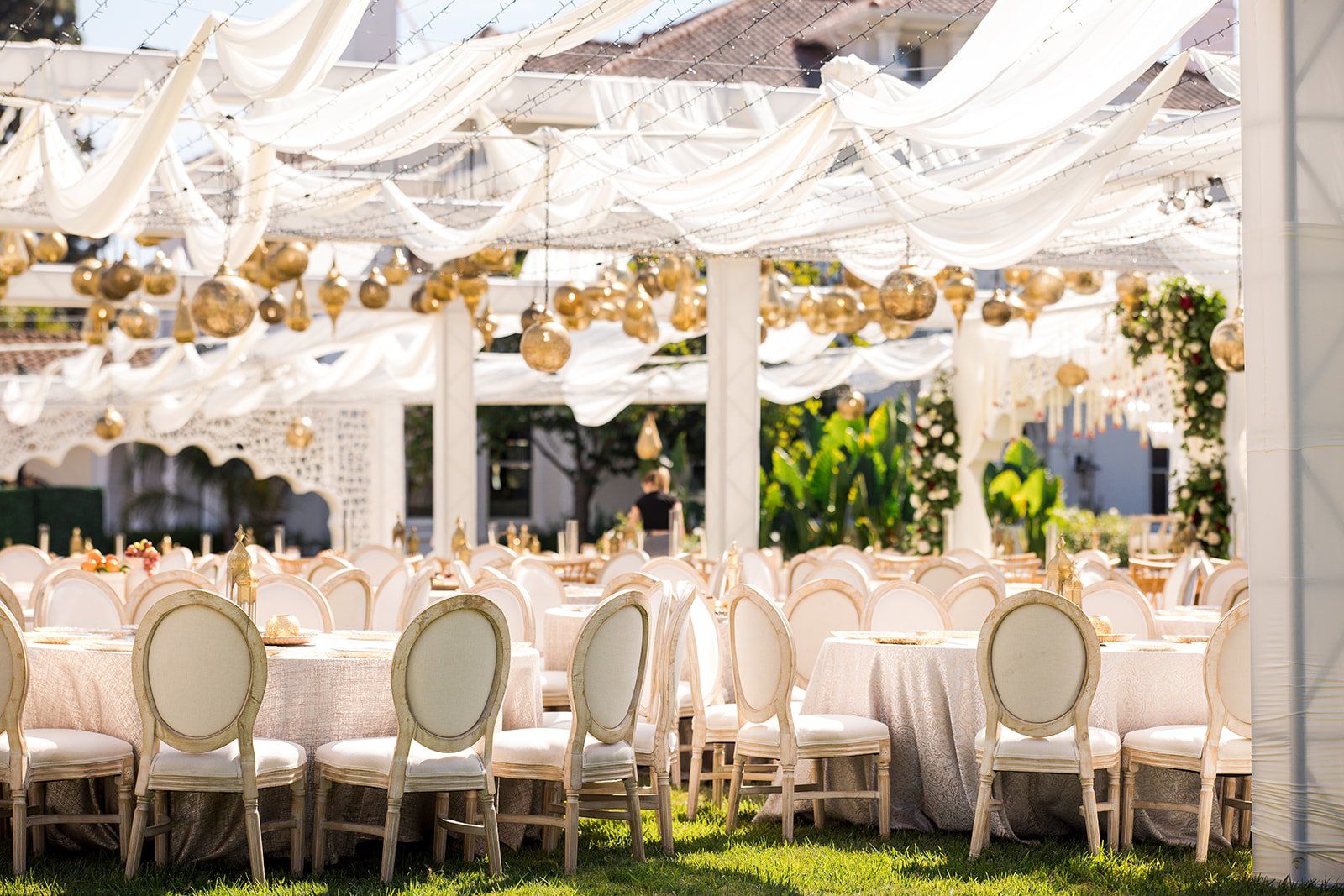
Translation: your flowers might be “just bouquets and a ceremony arch” in your head, but to a florist it’s a staffed production day.
1) Guest count and table count matter more than you think
Most couples price florals by imagining the big moments: the bridal bouquet, the ceremony backdrop, the sweetheart table.
Florists price by math.
- More guests usually means more tables.
- More tables means more centerpieces (plus extra bud vases, candles, greenery, etc.).
- More tables also means more vessels to source, prep, transport, and retrieve.
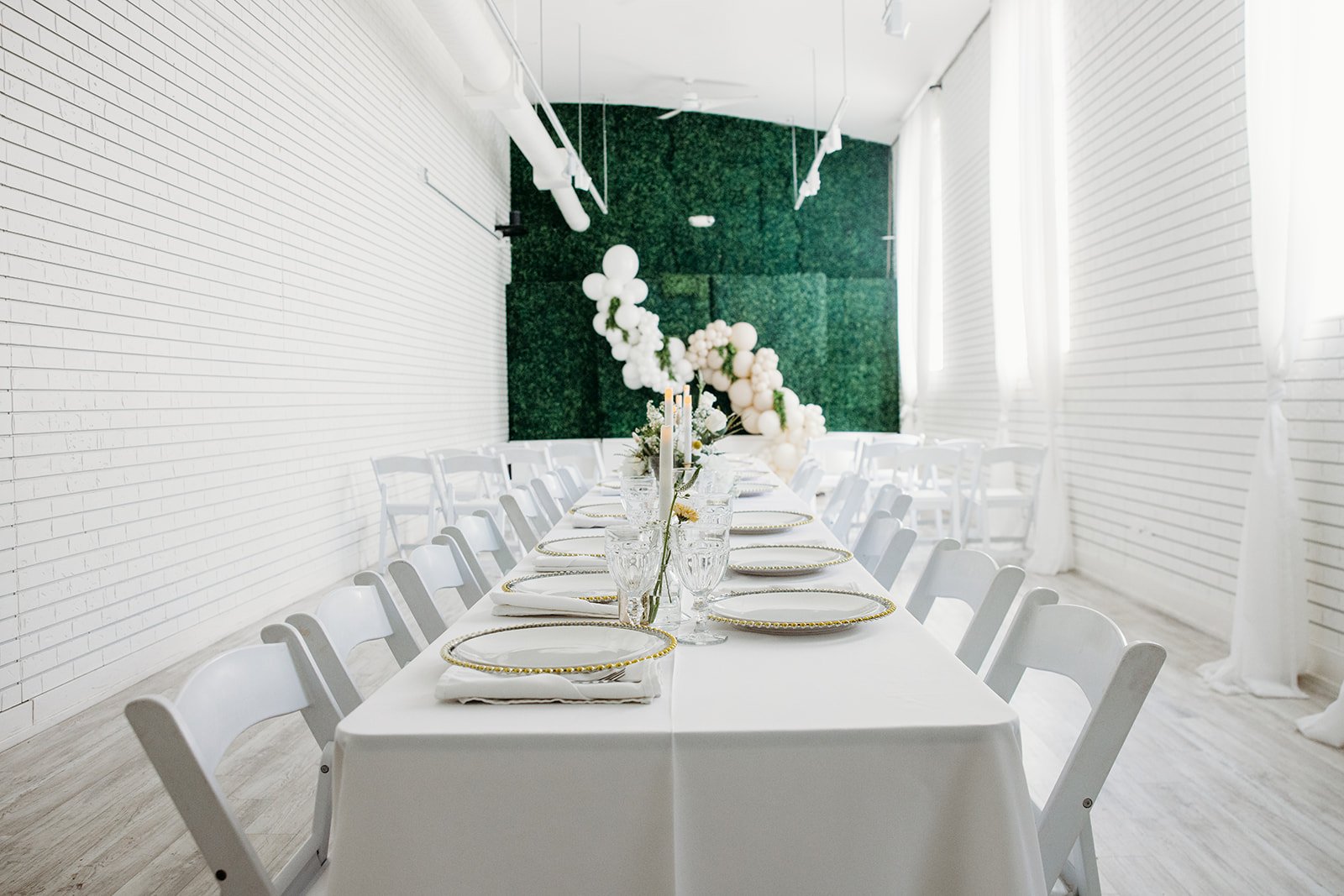
A 75-guest wedding with 9 tables is a very different order than a 120-guest wedding with 15 tables—even if the “style” is identical.
Tip: when requesting quotes, include your expected guest count and your best estimate of table count (round tables vs long tables changes the recipe).
2) The proposal is paying for labor (not just stems)
A helpful way to think about florals is: you’re paying for a temporary design installation, not a product.
Even a “simple” wedding typically includes:
- A design consult (or several rounds of email + mood boards)
- Sourcing (often from multiple wholesalers)
- Processing flowers (hydrating, conditioning, cleaning stems)
- Building arrangements (sometimes over multiple days)
- Packing and transport
- On-site setup (sometimes with a crew)
- Teardown/strike (especially if rentals are involved)
Many florists build labor into the quote as a design fee or service fee rather than listing hourly rates.
If you want a sanity check on how pricing is constructed, some florists describe common pricing structures publicly—like applying markups to fresh goods and hard goods, then adding labor/design fees.
3) Seasonality and flower choice can swing the budget fast
Two arrangements can look similar in photos but have totally different wholesale costs.
Common “price jump” flowers (depending on season and availability):
- Garden roses vs standard roses
- Peonies (especially out of season)
- Orchids (especially in quantity)
- Anemones, ranunculus, specialty tulips
Also: Bay Area weddings often happen in microclimates. A hot inland venue or a windy coastal ceremony can change what flowers are realistic, which can push designs toward sturdier (sometimes pricier) options.
Practical move: ask for “seasonal substitutions allowed” if you care more about the overall vibe than the exact flower variety.
4) Installations (arches, chuppahs, hanging florals) are a different category
A bridal bouquet is built at a table.
An arch installation is built on-site, often on a ladder, on a timeline, in whatever weather the venue decides to provide that day.
Installations increase cost because they require:
- Extra mechanics (foam cages, wire, zip ties, structural supports)
- More staffing on-site
- Extra time for setup and safe teardown
- Transportation for larger items
If your quote feels “high,” check whether you asked for any installation-style pieces. Those are usually the biggest lever in the proposal.
5) Delivery, parking, and venue rules are real line items
In the Bay Area, logistics can be as expensive as flowers.
Examples that drive price:
- Limited load-in windows (common in San Francisco)
- Long distances from parking to ceremony/reception areas
- Staircases, elevators, or union labor requirements
- Multiple locations (hotel getting-ready + ceremony + reception)
- Strike requirements (you must clear rentals by a certain time)
Ask your florist what’s assumed in the quote:
- One delivery or multiple trips?
- Setup included?
- Teardown included?
- Candles included and who lights them?
6) Rentals and “hard goods” add up quietly
Flowers are perishable, but the containers aren’t.
If your design includes compotes, specialty vases, candle hurricanes, bud vase collections, or custom stands, your quote may include:
- Rental fees
- Loss/damage buffers
- Cleaning and packing time
This is also why two quotes can differ even with the same “inspo”: one florist might assume rentals; another might assume you’re supplying vases.
7) Comparing quotes: how to do it without going insane
To compare proposals fairly, try to get each florist to confirm these basics:
- Guest count and table count assumptions
- What’s included (personals, ceremony, cocktail, reception)
- Installation pieces included (arches/chuppahs/hanging)
- Delivery + setup included? Strike included?
- Candle items: provided or not, and who sets/lights them
- Rentals: included or not
If one quote is lower, it’s often because:
- It excludes setup/strike
- It assumes simpler centerpiece recipes
- It uses fewer premium blooms
- It’s drop-off only (no on-site styling)
What “typical item pricing” can look like (as a reference point)
Every studio prices differently, but it can help to see real published numbers.
One Bay Area florist listing on WeddingWire reports averages like:
- Bridal bouquet: $280
- Bridesmaid bouquet: $100
- Boutonniere: $27
- Low table arrangement: $99
- Elevated table arrangement: $175
Those figures won’t predict your total, but they’re useful for gut-checking whether your proposal is in the right universe.
3 ways to lower floral cost without making it look cheap
1) Repurpose ceremony flowers
Move aisle arrangements to the sweetheart table, bar, or entrance.
You’ll pay some labor for the flip, but it’s often cheaper than duplicating designs.
2) Pick one “hero moment”
Choose one statement piece:
- The ceremony backdrop, or
- The head table, or
- A dramatic entry installation
Then keep everything else simple and consistent.
3) Go smaller per table, but repeat often
A single medium centerpiece on every table can be expensive.
Instead, consider:
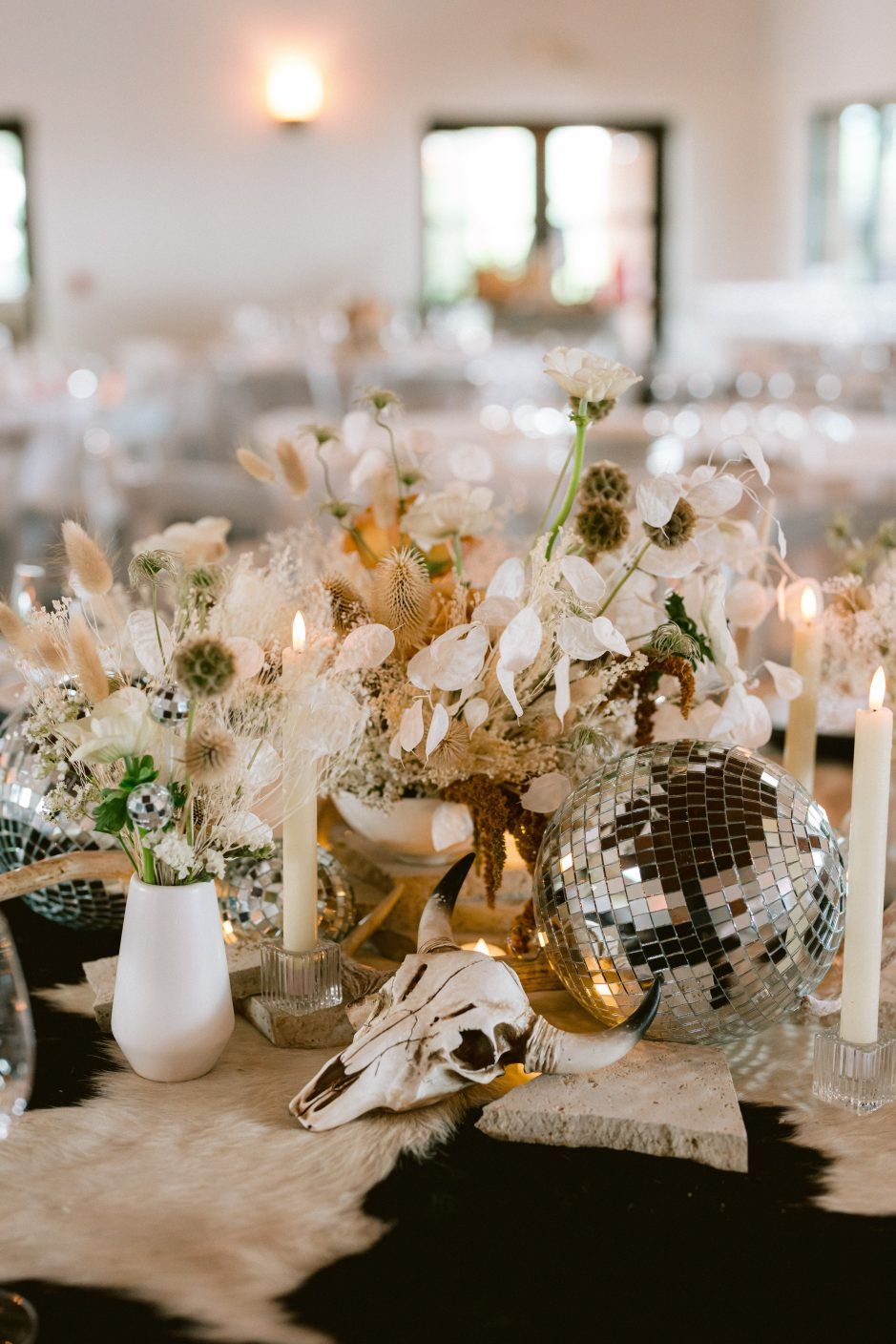
- Bud vases in clusters
- Greenery runners with small blooms
- Candle-forward tables with floral accents
This can look editorial and intentional—especially in the right venue lighting.
The bottom line
Bay Area florist quotes vary because wedding florals are a mix of flowers, design, staffing, and logistics—and different studios build those costs into proposals differently.
If you give florists the same inputs (guest count, table count, priorities, and how much setup you want), quotes become much easier to compare.
And one important note: every venue’s program and every florist’s minimums change—always confirm current terms with their events team before you book.
Browse Vendors