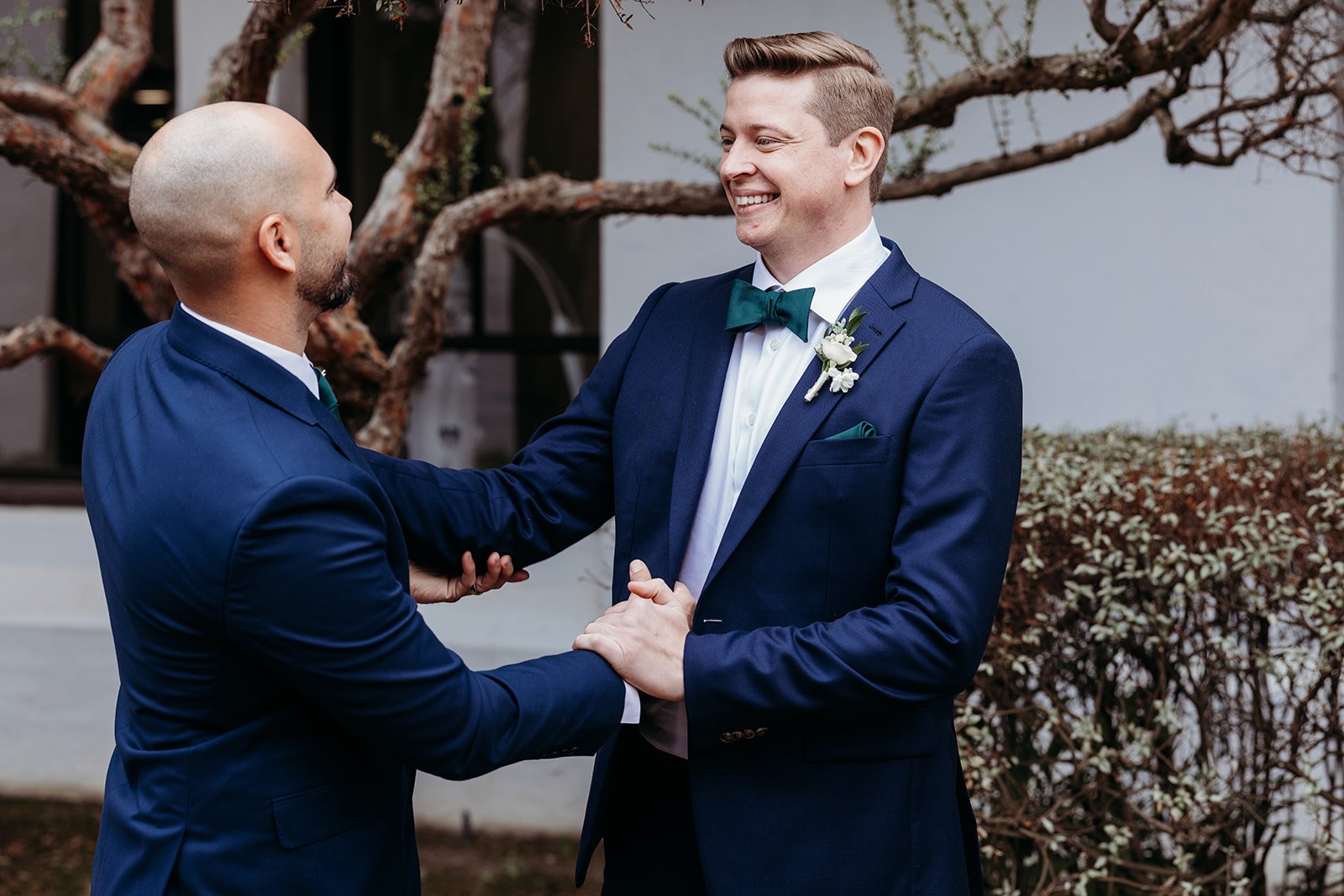
Planning a wedding in the Bay Area usually comes with two realities: incredible options, and a lot of decisions. For same-sex couples, there’s a third layer that can be easy to underestimate until you’re in it—figuring out what you want to keep, what you want to reinvent, and how to set expectations with family, vendors, and even your own wedding party.
The good news: the Bay Area is one of the most LGBTQ+ affirming places in the country, and that shows up in the vendor ecosystem and the kinds of celebrations couples choose. This guide focuses on the practical stuff that makes planning easier (and more joyful), with real Bay Area examples.
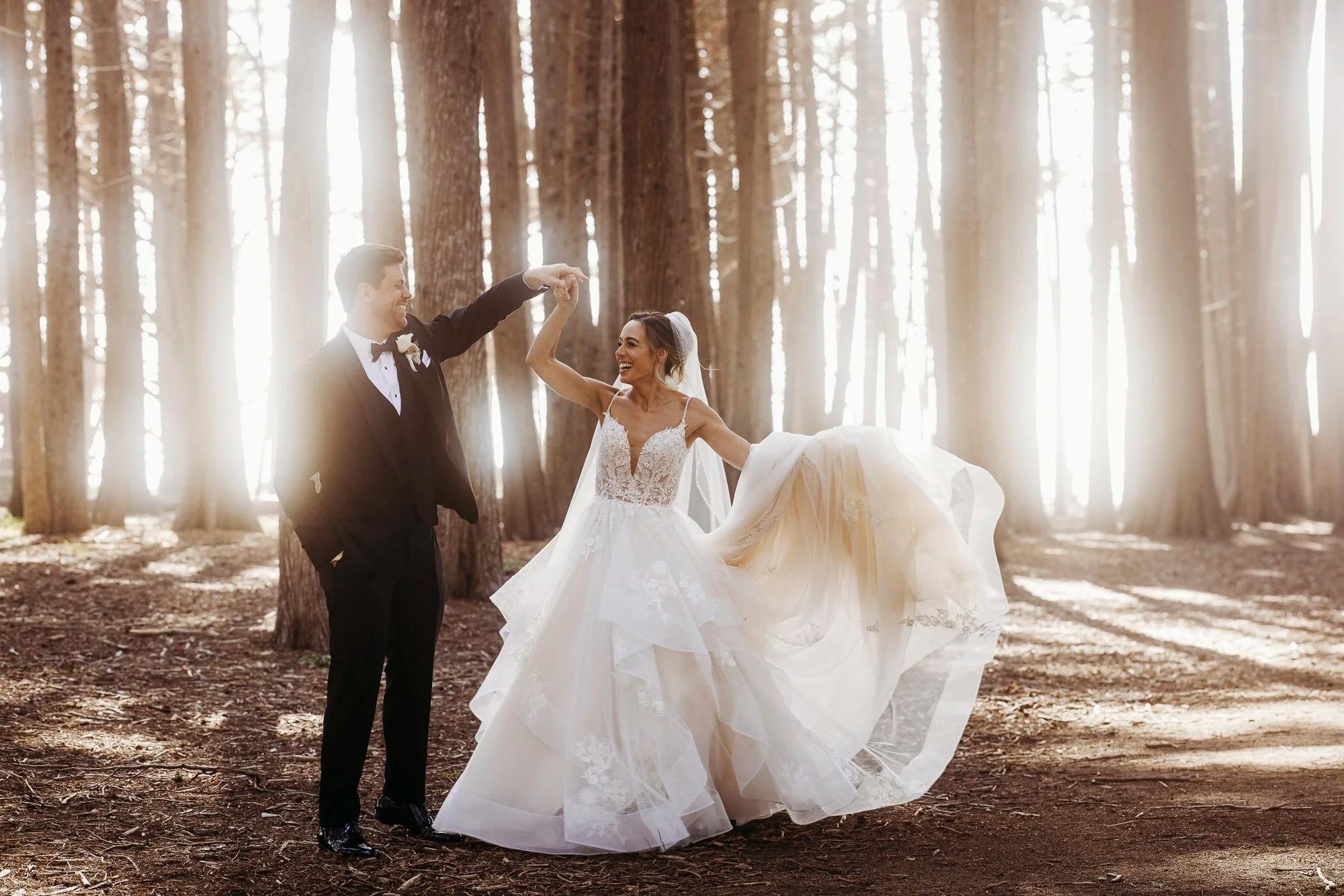
Start with the parts that matter most to you
A same-sex wedding doesn’t need to be “traditional” or “non-traditional.” It just needs to feel like you. Before you talk venues or budgets, have a short conversation that answers three questions:
- What moments do we want to feel emotionally big? (processional, vows, first look, first dance, parent dances, etc.)
- What parts of a wedding feel dated or uncomfortable? (gendered language, who gets “given away,” wedding party sides)
- What do we want guests to remember two weeks later? (the ceremony, the food, the dance floor, the views, the intimacy)
These answers become your filter. They also help you communicate quickly with planners, officiants, and photographers.
Bay Area ceremony logistics: City Hall, outdoors, and private venues
San Francisco City Hall: iconic and very doable
San Francisco City Hall is a classic for a reason, and it’s also one of the easiest routes for couples who want a beautiful ceremony without building a full production.
If you’re planning around Pride season, the SF Office of the County Clerk has a dedicated Pride wedding event with additional ceremony appointments. Their 2026 Pride wedding event notes that ceremonies are for the couple plus up to 6 guests, with a ceremony fee of $111 and a separate marriage license fee of $127—and you’ll need an appointment, a valid California-issued marriage license, and valid photo ID. (As always, confirm current details directly with the County Clerk.)
Tip: If you’re doing City Hall, focus your budget on the experience that shows in photos—florals for the ceremony spot, a great outfit tailor, and a photographer who knows how to work with busy public spaces.
Outdoor ceremonies: plan around microclimates and permitting
The Bay Area is packed with coastal, garden, and redwood settings—but outdoor weddings here require a real backup plan. Fog and wind are normal even in summer, and many public spaces have permit rules, amplified-sound restrictions, and guest-count caps.
Practical move: If your ceremony is outdoors but your reception is inside, try to keep them within a 10–15 minute drive. It reduces transportation complexity and makes it easier for guests to stay engaged.
Private venues: prioritize inclusivity + flexibility
Most venues will tell you they’re “inclusive.” What you’re looking for is evidence: diverse imagery on their site, gender-neutral language in contracts, and staff who don’t make assumptions.
A simple question that works: “Do you regularly host same-sex weddings, and do your standard timelines and ceremony language avoid gendered defaults?” The tone of the answer tells you a lot.
4 Bay Area venues that work especially well for LGBTQ+ weddings
Every venue’s program changes—confirm current terms, fees, and policies with the venue’s events team.
1) Golden Gate Club at the Presidio (San Francisco)
A polished, classic option that still feels “Bay Area” because of the Presidio setting. A 2026 listing for Golden Gate Club at the Presidio shows a capacity of 220 standing / 220 banquet, and lists the location as Fisher Loop 135, San Francisco.
Best for: medium-to-larger guest counts where you want a clean, elegant reception space without leaving the city.
2) Cavallo Point Lodge (Sausalito)
Cavallo Point gives you dramatic Golden Gate views with a relaxed, coastal feel. An events listing notes a seating capacity of 300, with spaces like Mission Blue Lawn listed at 300 max and Callippe listed at 250 max, and the property address is 601 Murray Circle, Fort Baker, Sausalito.
Best for: couples who want a destination feel without sending guests to Napa.
3) Beacon Grand, A Union Square Hotel (San Francisco)
If you want an urban, classic-hotel vibe with convenient lodging nearby, Beacon Grand is worth a look. An events listing notes standing capacity 300 and seating capacity 322 in San Francisco.
Best for: couples planning an all-in-one weekend with a welcome drink nearby and minimal transportation.
4) The Pearl (San Francisco)
The Pearl is an industrial-chic venue with a rooftop garden and a strong built-in bar program; it’s frequently used for modern weddings and big dance floors. A venue roundup highlights its 31-foot reclaimed cedar ceiling, skylights, and rooftop views over Dogpatch.
Best for: couples who want a contemporary party atmosphere and don’t need a traditional ballroom.
Build a vendor team that feels affirming (not just “fine”)
The Bay Area has a deep bench of wedding pros, but the best match is the team that understands what your family dynamics and priorities are.
Here’s what to prioritize:
Officiant
A strong officiant does more than write a script—they help you design a ceremony structure that works without relying on gendered tradition. If you’re blending cultures or family expectations, an officiant can also help you choose readings and rituals that feel authentic.
What to ask:
- “How do you handle gender-neutral ceremony language?”
- “Do you offer vow coaching?”
- “Can you help us include family without defaulting to outdated roles?”
Photographer
Same-sex couples often want images that emphasize connection and story over “bride/groom” posing defaults. Your photographer should be confident directing two people without relying on gendered posing cues.
What to ask:
- “How do you direct couples who aren’t following traditional roles?”
- “Can we see a full gallery of a same-sex wedding?”
- “How do you work with family photo lists when names/relationships are complex?”
Planner or coordinator
If you’re dealing with any family tension—or you simply want space to enjoy your wedding—consider at least a day-of coordinator. The Bay Area’s logistical complexity (traffic, vendor delivery restrictions, city noise rules) makes coordination especially valuable.
Rethink the wedding party: no sides, no stress
Traditional “bride side / groom side” seating and wedding party lines can feel weird fast. Many Bay Area couples do one of these instead:
- Mixed wedding party (everyone stands on both sides, or you do a semicircle)
- No wedding party (you still have a pre-ceremony hang, but no processional logistics)
- Processional pairs (friends walk in pairs regardless of gender)
For seating, a simple sign that says “Choose a seat, not a side” still works—and it keeps the room feeling connected.
Family dynamics: set expectations early and kindly
Even supportive families can get stuck on old scripts (“Who walks you down the aisle?” “Which last name?” “Who’s wearing what?”). You don’t need to win every debate—you just need clarity.
Try this:
- Pick two or three non-negotiables (language, attire boundaries, ceremony structure)
- Give families a role that helps (welcome toast, ceremony reading, getting-ready breakfast)
- Use vendors as buffers (a planner/coordinator can shut down awkward questions day-of)
If you anticipate conflict, put your coordinator in charge of family “requests” the week of the wedding. That one move protects your time and energy.
Marriage license and paperwork: keep it simple
Most couples don’t need anything special beyond the normal California marriage license process. The part that can take time is name changes, especially if you’re coordinating changes across passports, employer records, and banking.
Practical planning tip: If either partner is changing a name, consider timing it to avoid travel conflicts. If you’re doing international travel soon after the wedding, you may want to wait until after the honeymoon.
A realistic Bay Area budget lens (without the panic)
Same-sex weddings don’t inherently cost more. But Bay Area weddings can get expensive quickly because of:
- venue minimums (especially for Saturdays)
- labor costs and service fees
- required rentals for outdoor or non-traditional spaces
- transportation and parking logistics
If you want to keep costs under control, the biggest levers are:
- Guest count (it multiplies everything)
- Day of week (Friday/Sunday can open up better pricing)
- Venue type (all-inclusive vs raw space)
A helpful mindset: spend where it affects guest experience (food, comfort, flow), and simplify what doesn’t (extra signage, too many “moments,” excessive décor).
A simple planning checklist (Bay Area + LGBTQ+ specific)
12–9 months out
- Choose your top three priorities (experience, photos, food, party)
- Book venue and planner/coordinator
- Identify any non-negotiables around inclusivity (language, vendor approach)
9–6 months out
- Book photographer and officiant
- Draft a ceremony outline and talk through family roles
- Reserve hotel blocks if guests are traveling
6–3 months out
- Confirm transportation plan (shuttles, parking, rideshare signage)
- Build a weather backup plan (especially if outdoors)
- Finalize vendor language preferences (pronouns, titles, family relationships)
Final month
- Share a family photo list with names and relationships
- Confirm ceremony script and who is speaking/reading
- Give your coordinator authority to make day-of calls
Final thought: make it yours, but make it easy on yourselves
The best same-sex weddings I’ve seen in the Bay Area have one thing in common: they’re personal without being complicated. They keep the ceremony language honest, they choose venues that feel like the couple, and they build a vendor team that makes everyone feel safe and celebrated.
And if you take nothing else from this guide: don’t let anyone convince you that your wedding has to match a template to be “real.” The Bay Area is a place where you can write your own version—and it’ll be better for it.
Browse Vendors