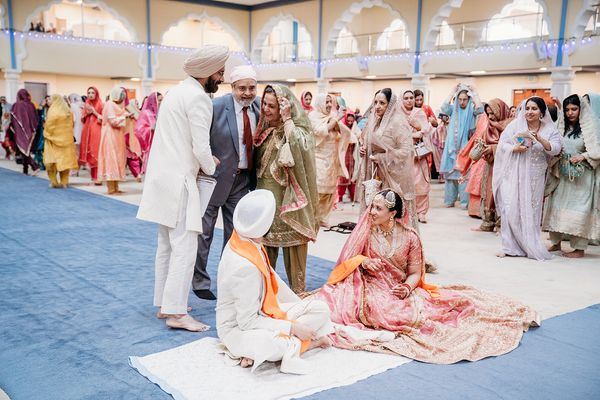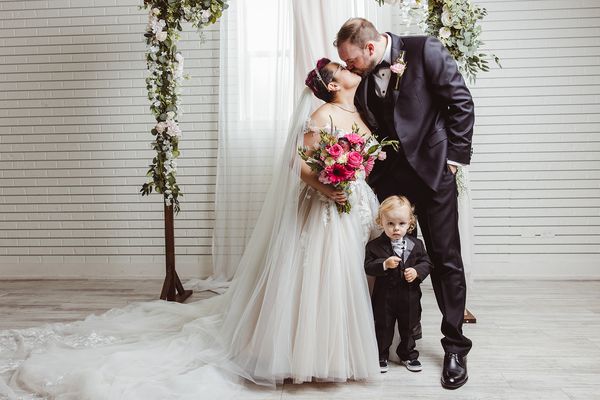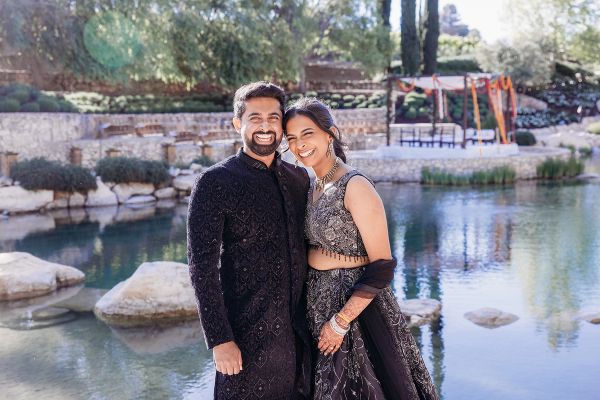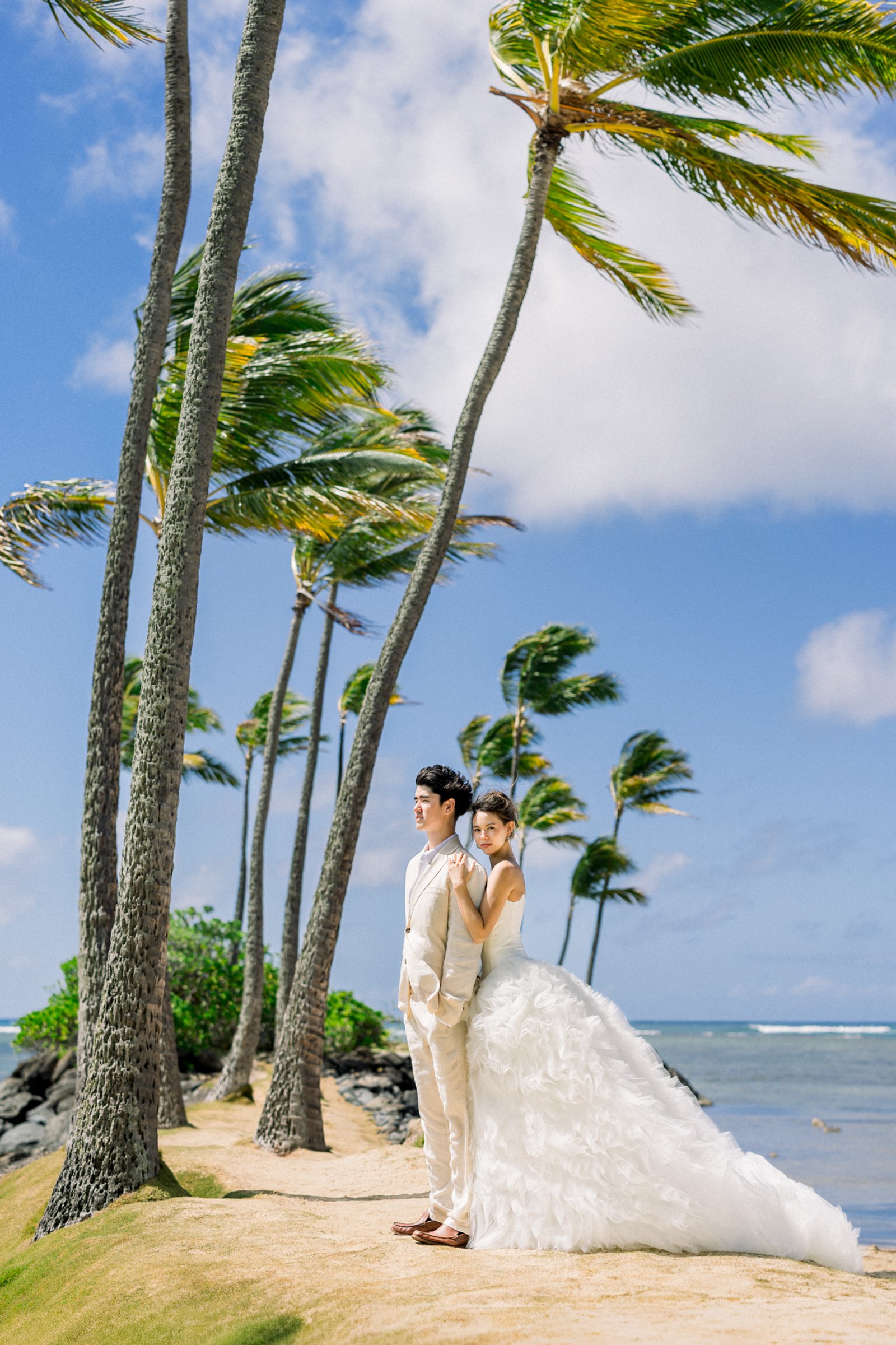
At 4:30 p.m. in a San Francisco hotel suite, one photographer may be documenting a dress going on while also needing to leave for the ceremony room. That split-second choice is where a second photographer can change the story of a wedding day: instead of choosing one scene, your team can preserve both.
The answer is not automatically yes. A second shooter is most valuable when your schedule, guest count, venue layout, or priorities create two important moments at once. If the day is intimate and simple, the extra coverage may be less useful than investing in longer primary coverage, an engagement session, or an album.
What Does a Second Photographer Actually Do?
A second photographer works under the lead photographer's direction while making independent images. They may photograph one partner getting ready, capture guests arriving, cover cocktail-hour candids, or stay with the reception while the lead takes family portraits. The lead remains responsible for the visual plan, communication, and final gallery; the second expands what can be covered at the same time.
That distinction matters when you compare proposals. Ask whether the second photographer is a true professional with wedding experience, how many hours they will be present, and whether their images are included in the delivered gallery. Also confirm who owns the timeline decisions and who will be your main contact before and during the wedding.
When Is the Extra Coverage Most Valuable?
The clearest case is a day with parallel preparation. If both partners are getting ready in different rooms, a second shooter can record the final touches, family reactions, accessories, and atmosphere without forcing one person to miss half the story. This is especially useful when travel between hotel rooms, a private home, and the venue would consume valuable minutes.
A second photographer also earns their place when the guest list is large or the venue has separated spaces. At a loft, winery, estate, or hotel, the ceremony, cocktail hour, and reception may not be visible from one position. Extra coverage can document a welcome table, a quiet guest interaction, or a room reveal while the lead is occupied with a formal responsibility.
Tight timelines are another signal. If you want a first look, wedding-party portraits, family groupings, golden-hour portraits, and a prompt dinner service, two photographers can divide coverage without turning every transition into a race. They cannot create extra time, but they can reduce the number of moments that compete for the same few minutes.
When Might One Photographer Be Enough?
One photographer may be the better fit for a small celebration with one preparation location, a single ceremony and reception space, and a relaxed portrait plan. It can also work well when your priority is a focused documentary perspective rather than broad simultaneous coverage. A skilled lead can still make a complete gallery by planning the route through the day carefully.
The strongest test is to map the moments you would genuinely regret missing. If there are no simultaneous scenes, no long travel gaps, and no complicated family or cultural program, a second shooter may add volume without adding meaning. Put the difference toward the coverage that solves your real concern, such as earlier arrival, a later departure, or a printed album.
How Should You Compare the Cost?
Do not compare only the second-shooter line on two proposals. Compare the total package, hours, edited-image delivery, travel policy, overtime terms, and whether the lead photographer will be present for the full event. A lower add-on can be less valuable if it covers only a short window or comes with a different delivery promise.
Build a simple decision table with three columns: moment, person responsible, and consequence if it is missed. Add getting-ready coverage for each partner, ceremony guest reactions, cocktail-hour details, reception entrances, and any cultural or family traditions. Then mark which moments can happen simultaneously. Those marked moments are the practical value of a second photographer, not an abstract promise of more photos.
What Questions Should You Ask Before Booking?
Ask the lead photographer to walk through your actual timeline rather than describing a generic wedding. Who photographs each partner before the ceremony? Who covers guests while portraits happen? Where does the second shooter stand during the ceremony? How will the team handle a venue with stairs, long walks, restricted access, or a weather change? Specific answers reveal whether the second person is integrated into the plan.
Confirm the working relationship in writing. Your agreement should identify the lead, explain the second photographer's role, state the hours included, and clarify how the team handles substitutions if someone becomes unavailable. Ask whether you can review a full gallery that includes second-shooter images, not only a handful of highlights. Consistent editing and a calm communication style are as important as an extra camera.
A Practical Decision Rule for Bay Area Couples
Choose a second photographer when at least two of these are true: you want separate getting-ready coverage, your venue has meaningful distance between spaces, your schedule has overlapping priorities, your guest list makes broad candid coverage important, or your ceremony and reception require a fast transition. If none apply, a strong single-photographer plan may protect the budget without sacrificing the moments you value.
Before signing, send the photographer your venue, guest count, ceremony format, preparation locations, and desired portrait list. Ask for a coverage recommendation tied to those facts. The right answer is the team structure that keeps your priorities visible, not the package with the most people. A second shooter is worth it when their presence solves a specific coverage problem you can name.