At 8:15 a.m., the suit is still hanging in the hotel closet, while the San Francisco fog is lifting outside and the ceremony forecast is already warmer than the fitting room. Groom style works best when the outfit is planned as a full wedding-day system: formal enough for the room, comfortable enough for the hours, and personal enough to look like you.
The easiest way to make the choice is to follow the day in order. Start with the ceremony, then test how the look handles portraits, movement, dinner, dancing, and the Bay Area's shifting microclimates. A polished suit or tuxedo is not just a color decision. It is a sequence of small decisions about fabric, fit, layers, shoes, and accessories.
8:15 a.m. Start with the venue and ceremony level
A grand hotel ballroom, historic San Francisco venue, and formal estate usually support the structure of a tuxedo or a dark, sharply tailored suit. A garden, winery, or coastal celebration can still be formal, but a lighter wool, textured jacket, or softer color may sit more naturally in the setting. The goal is visual agreement with the ceremony, not matching the venue like a uniform.
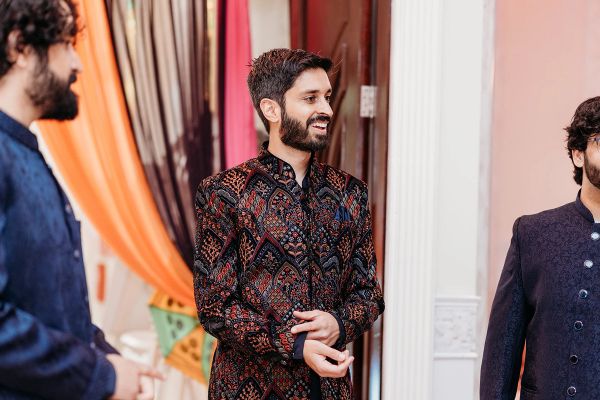
Ask what guests are likely to read first: black-tie polish, modern cocktail attire, relaxed outdoor elegance, or a cultural dress tradition that carries its own meaning. Share that answer with the other partner and wedding party before shopping. A coordinated level of formality makes every group photo feel intentional even when individual outfits are not identical.
10:00 a.m. Choose the base: suit or tuxedo
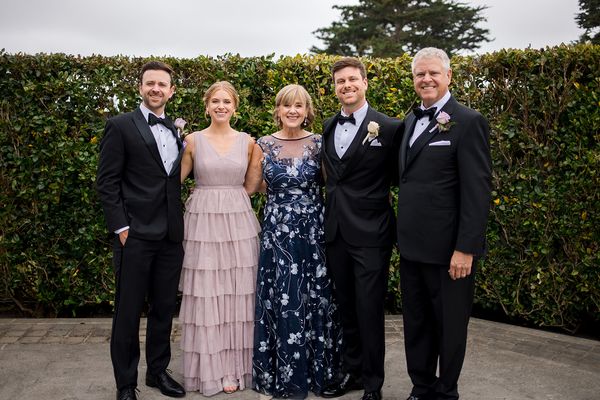
A tuxedo gives the clearest formal signal through satin details, a crisp shirt, and a bow tie. It is a strong choice when the invitation, venue, or personal taste calls for evening formality. A suit offers more range: navy, charcoal, black, and carefully chosen lighter shades can move from ceremony to reception, and the pieces may be worn again after the wedding.
For a Bay Area day with indoor and outdoor portions, prioritize breathable construction over a heavy, glossy finish. Wool can be comfortable across seasons when the weight and weave are right, while linen or linen blends bring a relaxed look but crease more visibly. Ask the tailor how the fabric will behave under photography lights, in a car, and after several hours of sitting.
12:30 p.m. Fit the look for movement
The jacket should close without pulling at the button, the shoulder should sit cleanly, and the sleeve should reveal a small amount of shirt cuff. Trousers should stay secure without needing constant adjustment, with enough room to sit, walk, and dance. A dramatic slim cut can look sharp on a hanger but become uncomfortable when the schedule includes stairs, hugs, and a long reception.
Schedule the final fitting close enough to the wedding that your measurements are current, but leave time for corrections. Bring the actual dress shirt, shoes, and any vest or suspenders to the fitting. The outfit is a stack of proportions; changing the shoe height or shirt collar after the suit is altered can change how the whole look sits.
2:00 p.m. Build a palette that photographs well
Begin with one anchor color, then add one supporting color and one texture. A charcoal suit can take a white shirt and black shoes for a classic line, or a muted tie and textured pocket square for more personality. A navy base can support brown leather, black accessories, or a subtle patterned tie depending on the ceremony level. Keep the palette legible in both direct sun and indoor light.
Coordinate with the wedding party without making every person identical. Matching one element, such as tie color, pocket-square fold, boutonniere ribbon, or metal finish, is often enough. If the other partner has a detailed outfit, use that as a cue for scale and texture rather than trying to reproduce the exact color in a suit.
4:30 p.m. Add accessories with a job to do
Choose accessories for comfort and meaning, not just visual density. A tie or bow tie establishes formality; a belt or suspenders keeps the trousers stable; a watch, cuff links, or family piece adds a personal detail that can matter in close portraits. The boutonniere should sit securely and avoid competing with the lapel. Test every fastener before the wedding day.
Shoes deserve an early test walk. Break them in gradually, bring a backup plan for outdoor terrain, and confirm that the sole works for the venue's floors. Socks are small but visible during seated portraits and dancing, so choose a pair that is comfortable and deliberate. If you plan to remove the jacket or tie later, decide where those pieces will go so they do not disappear during the reception.
6:00 p.m. Plan the transition into portraits and dinner
The best wedding look should survive the first formal photographs without needing a reset after every pose. Have someone check the collar, tie, jacket vents, pocket square, and boutonniere before the ceremony and again before portraits. A lint roller, fashion tape, stain-removal pen, spare buttons, and a small sewing kit can solve minor problems before they become part of the gallery.
If the ceremony and reception are in different climates or spaces, plan one intentional change rather than improvising. A jacket swap, vest removal, tie change, or polished sneaker can work when the invitation level and photographer's plan support it. Make sure the transition is quick and that the second look has been photographed in advance, especially if one accessory carries family or cultural significance.
9:30 p.m. Review the look by how it felt
After the final fitting, evaluate more than the mirror. Could you sit through dinner without adjusting the waistband? Can you lift your arms for a hug? Do the shoes feel stable on pavement and a dance floor? Does the outfit still feel like your style when the jacket is open and the room gets warm? Honest answers now are more useful than a last-minute opinion on the wedding morning.
A reliable plan is simple: choose the formality first, select a fabric and fit for the actual weather, build a restrained palette, and test every accessory in motion. Bay Area groom style does not require a single formula. It requires an outfit that respects the setting, photographs clearly, and lets you stay present from the first button to the last dance.