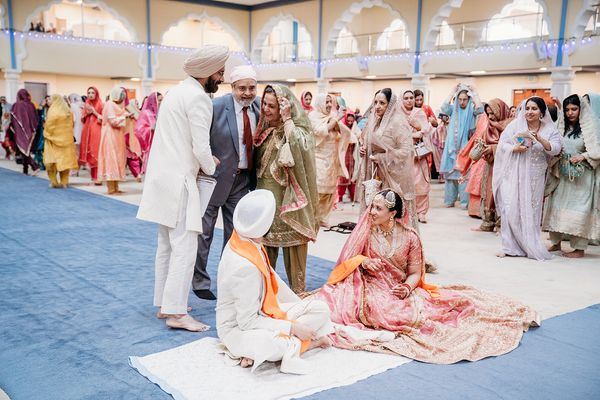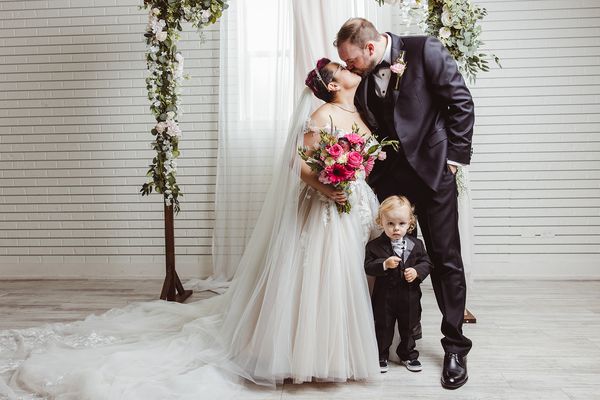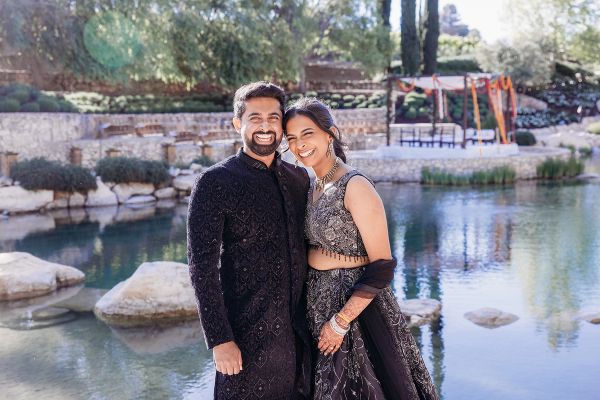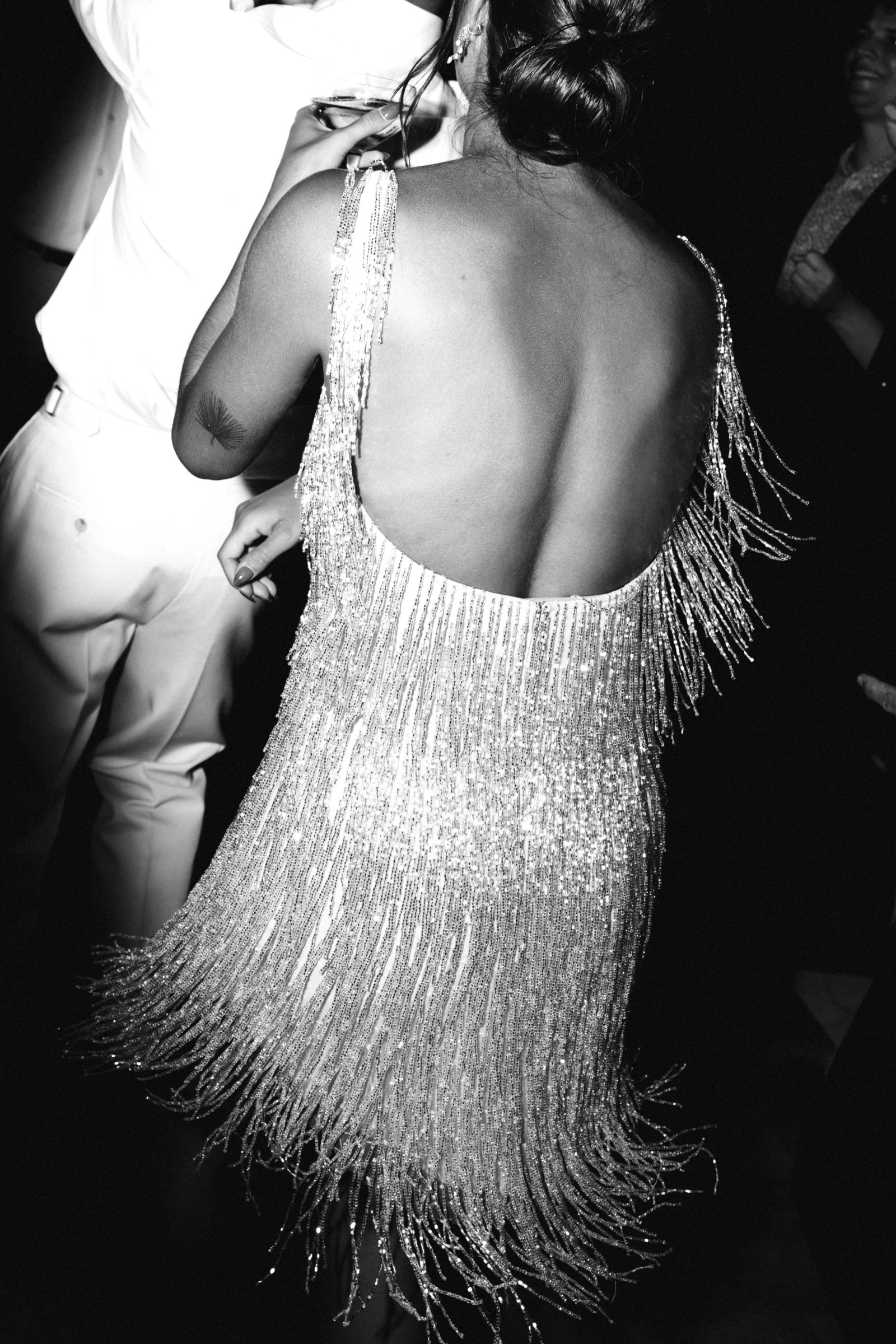
At 6:42 p.m., the sun is finally doing what your photographer promised, but your cocktail hour is scheduled to end at 6:45. That three-minute overlap is where golden-hour portraits either become the visual centerpiece of your gallery or turn into a rushed walk across the venue. The fix is not chasing a perfect sunset. It is building the photo plan around the light, the people who need to be in it, and the parts of the reception that cannot move.
1. Start with the actual light window
Golden hour is a moving target, not a universal appointment. The useful window depends on your wedding date, location, ceremony direction, surrounding buildings or trees, and whether you want soft side light or the last glow at the horizon. Ask your photographer for two times: when the light becomes flattering and when it disappears. Put both on the timeline, then confirm the venue has a clear route to the chosen portrait spot.
The sunset time printed by a weather app is only a starting point. A coastal venue can lose direct light earlier behind a bluff, while an open vineyard or rooftop may hold it longer. Have your photographer walk the site at the same general time of day during a planning visit, or review recent galleries from that exact area. You are looking for usable light on faces, not a number in isolation.
2. Protect the first portrait block
Plan the most important portraits before the couple is pulled into the reception. Family combinations, wedding-party photos, and a few just-married frames usually require different energy and different group sizes. Put the largest groups first while everyone is still assembled, then leave room for the couple to step away for the quiet images that benefit most from the changing light.
If the ceremony and reception are in different places, treat travel as part of the portrait block rather than a separate optimistic line. Add time for greeting guests, collecting bouquets or jackets, and walking to the photo location. A short buffer is more valuable than promising a long portrait session that starts late. Tell the coordinator which portraits are essential, useful, and optional so a delay does not create a vague scramble.
3. Use a two-pass portrait plan
A two-pass plan keeps the day flexible. The first pass can happen immediately after the ceremony, when formal groups and the wedding party are already together. The second pass happens later, often during cocktail hour or near sunset, with only the couple and perhaps one person to carry the train, bouquet, or veil. This structure protects the light without asking every guest to wait for it.
Share a short list with names, not just categories. “Couple with both parents” is easier to execute than “family photos,” especially when blended families, grandparents, or relatives arriving from different rooms are involved. Assign one assertive helper who knows the family and one vendor who can release the couple on time. The photographer should be able to concentrate on light and composition instead of locating missing people.
4. Keep cocktail hour working while you leave
Couples often hesitate to step away because cocktail hour feels like the first chance to greet everyone. Solve that socially before the wedding. Ask the coordinator to make sure drinks and small bites are available as guests arrive, then schedule the couple’s return near the end of the hour. A clear announcement or escort from the wedding party can prevent guests from wondering where you went.
Choose a portrait route that does not cut through the busiest guest path. If the venue has a garden, courtyard, staircase, or overlook, confirm how the route works with heels, a long dress, a train, and a bouquet. Bring a comfortable pair of shoes if the location requires distance. The best light is not worth a stumble, a torn hem, or a couple who is too uncomfortable to relax.
5. Give the photographer a hierarchy
A practical shot list should identify priorities instead of trying to direct every frame. Put the non-negotiables at the top: one full-length portrait, one close frame, a veil or movement image if relevant, and any family or cultural moment that must happen in a particular light. Follow with preferences such as a specific backdrop, editorial composition, or wide landscape frame. This helps the photographer make fast choices when the sun changes.
Do not build the plan around a single exact pose or a single inch of the venue. Light can shift, another event can occupy the preferred lawn, or the couple may prefer a quieter corner once the day is underway. Give the photographer a visual goal and a backup location. Flexibility creates a gallery that feels lived-in rather than like a timed production.
6. Build a backup for fog, wind, and clouds
A Bay Area golden-hour plan needs a version for soft cloud, marine layer, wind, or an early loss of direct sun. Cloud cover can still produce flattering, even light; wind may make a veil or loose hair impractical; fog can turn a distant view into a simple, atmospheric background. Decide in advance whether the backup is a covered walkway, a reflective interior, a shaded garden, or a shorter portrait loop near the reception.
Ask what will change if the light is not dramatic. The answer may be as simple as moving the couple’s final portraits earlier, using architectural lines instead of a horizon, or relying on flash after dusk. Tell the photographer and coordinator who makes the call and how much notice they need. A backup feels calm when it is a decision, not an emergency conversation at the exact minute the sky changes.
7. Put the plan on one shared timeline
Write the photo windows into the master timeline with start and stop times, locations, participants, and the person responsible for gathering people. Include the travel route and the backup location. Send the same version to the photographer, coordinator, planner, venue contact, and whoever is helping with family photos. If one vendor changes the schedule, the whole team should see the effect on the light window.
The final question is not “Can we get sunset photos?” It is “Which moments deserve the best light, and what are we willing to move to protect them?” Decide that before the wedding, leave room for the day to breathe, and treat the last portrait as a planned part of the celebration rather than a bonus if everything runs perfectly.