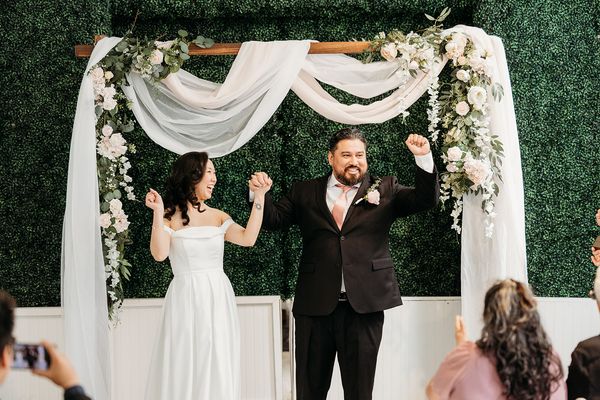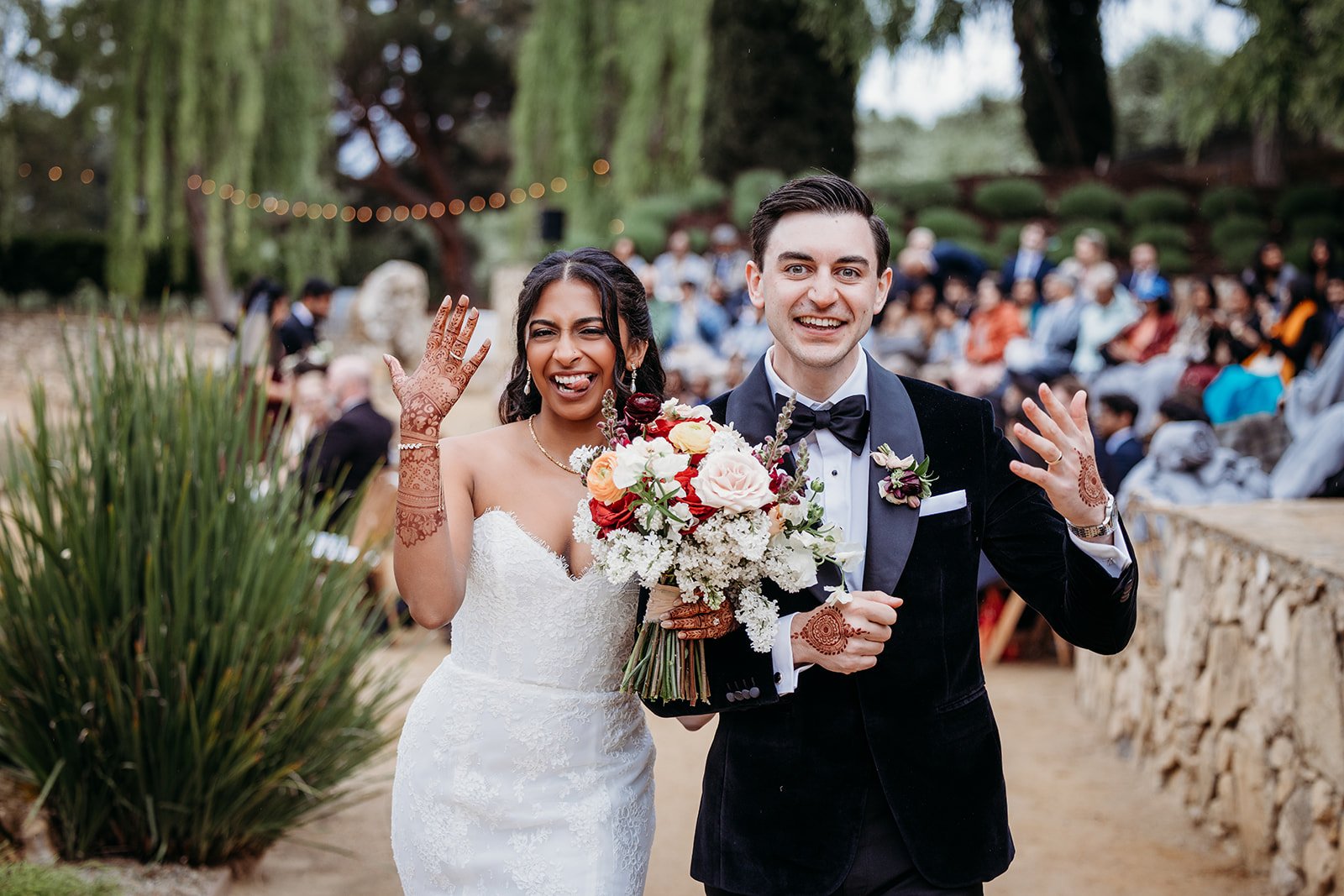
Thirty-one people, one long table, and a reservation made three weeks before the wedding. That is how many rehearsal dinners actually come together: later than planned, with a guest list nobody quite agreed on, and a vague sense that someone should give a toast. The dinner still ends up being one of the warmest nights of the wedding weekend. It just takes more effort than it needs to.
The rehearsal dinner is simpler than it looks once you separate the real decisions from the noise. Below are the most common problems couples run into, a practical fix for each, and a checklist to keep the planning short.
Problem: Nobody Knows Who Is Hosting
Traditionally, one family hosted the rehearsal dinner, but that convention is far from universal now. Couples host their own, families split costs, or a parent offers to host and then wants input on everything. Uncertainty about who is paying usually turns into uncertainty about who decides.
Solution: have one direct conversation early. Decide who is hosting, who is paying, and who makes final calls on the venue, menu, and guest list. If more than one family is contributing, agree on a budget and a single point of contact. A clear answer prevents most of the friction that follows.
Problem: The Guest List Keeps Growing
The core group is usually clear: the couple, the wedding party, immediate family, and the officiant. Then come partners of the wedding party, out-of-town guests, grandparents, and close friends who traveled. Before long, the rehearsal dinner looks like a second reception.
Solution: decide on a rule and apply it consistently. Some couples keep the dinner to people who attend the rehearsal plus their partners. Others invite all out-of-town guests as a thank-you for traveling. Either approach works. What causes hurt feelings is inconsistency, so pick a rule and share it with anyone helping plan.
Problem: The Timing Collides With Everything Else
Rehearsals often happen the day before the wedding, at the ceremony site, at a time set by the venue. Dinner follows. If the rehearsal runs long or the restaurant is a long drive away, the evening stretches late, and the couple heads into the wedding day tired.
Solution: confirm the rehearsal time with the venue and officiant first, then book dinner close by, with a start time that leaves a buffer. Ask the restaurant how long a group dinner usually takes. Aim to end at a reasonable hour so the couple and wedding party can rest.
Problem: The Venue Is Hard to Book
Group reservations for twenty or more people at a popular restaurant can be difficult on weekends, especially during busy months. Couples who wait until the last few weeks may find their first choices fully booked.
Solution: book early and consider alternatives. Private rooms at restaurants, wineries, family homes, backyard dinners with a caterer, or a casual pizza or barbecue night can all work well. A relaxed setting often suits the mood better than a formal one, and it can be easier to reserve.
Problem: The Toasts Run Long
The rehearsal dinner is often where the more personal stories come out, and it is a natural place for family members and friends who are not speaking at the wedding. Without a plan, it can become an open microphone that runs for an hour.
Solution: ask a few people in advance to speak, and give them a time limit. Let the host or a parent open and close the toasts. Couples sometimes use this moment to thank their families and wedding party, which keeps the wedding-day toasts shorter.
Problem: Dietary Needs Get Missed
A wedding caterer collects meal choices and allergies through RSVPs, but rehearsal dinners are often booked more casually. A guest with a serious allergy or a strict diet can end up with little to eat.
Solution: ask guests about dietary needs when you invite them, and pass the list to the restaurant or caterer in advance. A short heads-up is usually all a kitchen needs.
Rehearsal Dinner Checklist
- Decide who is hosting, who is paying, and who makes final decisions
- Set a budget and agree on it with anyone contributing
- Choose a clear guest list rule and apply it consistently
- Confirm the rehearsal time with the venue and officiant
- Book a dinner location close to the rehearsal, with a private room if possible
- Send invitations or a simple message with the date, time, address, and dress code
- Ask the restaurant or caterer about menu options and dietary needs
- Arrange transportation if the location is far from the rehearsal or hotels
- Invite a few people to give short toasts, and set a time limit
- Bring wedding party gifts, if you plan to give them at the dinner
- Plan to end early enough to rest before the wedding
Keep It Personal and Simple
The best rehearsal dinners are often the least elaborate. A good meal, the people closest to you, and a few heartfelt words are enough. Couples who keep it simple tend to enjoy it more, because it is the last relaxed evening before a very full day.
If you want to hand off some of the work, a planner can coordinate the rehearsal and dinner timing, and a local caterer can make a backyard or home dinner easy. Browse Bay Area planners and caterers when you are ready to start.
Browse Vendors