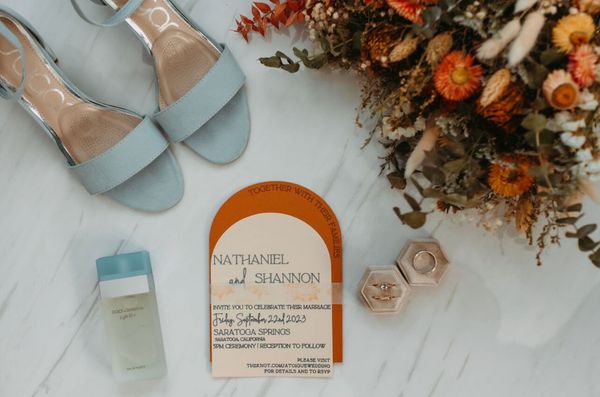
The difference between 120 guests and 145 can be a second dinner service, a larger shuttle, or a venue layout that no longer works. That makes plus-ones more than an etiquette footnote for a Bay Area wedding. A clear rule protects the budget and helps guests understand the invitation without asking one couple to argue every exception.
1. Separate the guest list from the plus-one question
Start with the people you want present, then decide which of those guests receive an additional seat. A plus-one is not the same as inviting every friend, sibling, or coworker. Build one master list with the named guest, relationship status, invitation type, and maximum seats. Keeping those columns separate makes the hard choices visible before stationery and catering numbers are locked.
A useful first pass is to give automatic invitations to married couples, engaged couples, and partners in established relationships. For newer relationships, use the same test for everyone: how long have they been together, does the couple know the partner, and would excluding the partner create a genuinely awkward experience? The exact cutoff matters less than applying it consistently.
2. Put the household rule in writing
Decide whether the rule is named partners only, every guest may bring one person, or a hybrid based on relationship length. Write the decision in your planning notes and share it with anyone helping manage family expectations. If one parent is paying for a portion of the wedding, agree on the guest-count boundary and who can approve an exception before the first invitation is addressed.
The rule should also cover children, roommates, and guests who need a caregiver or support person. Those needs are not bargaining chips, and a planner or venue manager can help you understand seating, access, and meal implications early. A short written standard is kinder than making each guest explain their situation from scratch.
3. Use the same decision test for every guest
- Is the guest married, engaged, or in a long-term committed relationship?
- Will the partner know other people, or would the named guest be isolated without them?
- Can the added seat fit the venue capacity, catering plan, and transportation count?
- Would you make the same call for a guest in the same relationship and life circumstance?
This test is especially useful when your guest list spans San Francisco, the Peninsula, the East Bay, and wine country. Travel distance may explain why someone wants company, but it should not silently create a different standard for one friend. If a particular situation needs flexibility, call it an exception and record the reason rather than rewriting the rule for everyone.
4. Budget for seats, not just named guests
Every plus-one affects more than the plated meal. Add the possible seat to your count for rentals, staffing, bar service, dessert, escort cards, favors, and shuttle capacity. Ask the caterer or venue for the pricing threshold where an extra guest changes labor or room setup. A list that is technically under capacity can still create a real cost increase if the additional seats push you into another table, vehicle, or service tier.
Keep a low, likely, and high guest-count scenario. The low number is the list without discretionary plus-ones, the likely number reflects your written rule, and the high number assumes every eligible guest attends. Use the likely number for planning, but make sure the high number does not break a hard venue or contract limit. That gives you room to be generous without discovering the problem after RSVPs arrive.
5. Handle family and wedding-party exceptions carefully
Wedding-party members may need a practical exception because they spend the day in rehearsals, photographs, and formal duties. Close family may also have a cultural or caregiving expectation that is different from a casual guest's situation. Talk through those cases privately, then decide whether the exception is about role, safety, accessibility, or family responsibility. Avoid using vague language such as “special people,” which can make every other guest feel ranked.
6. Make the invitation answer unambiguous
Address the envelope to the named guest and partner when the partner is invited. If the guest has a flexible plus-one, use “and guest” only when you truly intend to offer that choice. The RSVP form should display the allowed guest name or ask for it in a controlled field; never rely on a blank text box that lets people add a whole household. On a paper response, print the number of seats reserved rather than leaving the count to interpretation.
If someone asks for an additional guest, answer promptly and warmly: “We are keeping invitations to named partners so we can stay within our venue count, but we are excited to celebrate with you.” If the answer is yes, confirm the name and update the seating, meal, and transportation records immediately. Consistency is easier when one person owns the master list.
7. Reconcile the list before the final deadline
Two weeks before the RSVP deadline, compare the invitation list, response form, venue count, meal selections, and shuttle plan. Look for duplicate partners, unnamed guests, children counted as adults, and a guest who changed from “declined” to “attending.” Send one courteous follow-up for missing information, then give the venue and planner the same final version. The goal is not a perfect rule; it is a guest experience that feels considered and a wedding day that can run on the numbers you approved.
A quick plus-one checklist
Before invitations go out, confirm the relationship standard, family and wedding-party exceptions, high and low counts, venue capacity, invitation wording, RSVP controls, and the person responsible for updates. A fair plus-one policy does not need to please every guest. It needs to be clear, consistent, and realistic enough that your team can deliver the welcome you promised.