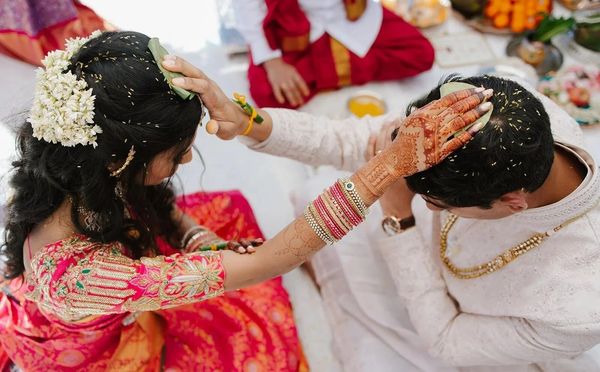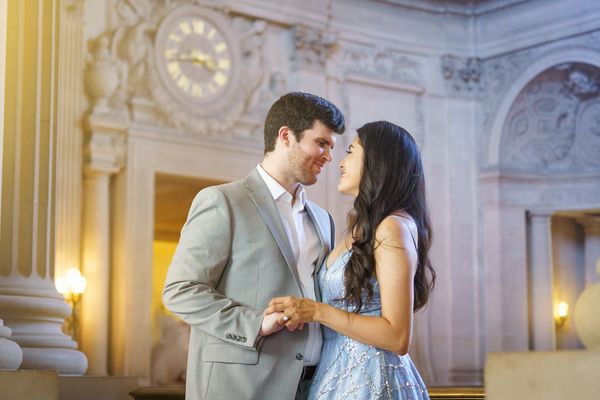
A Persian wedding in the Bay Area can feel like a full weekend of meaning and celebration: a joyful, high-energy reception, and an Aghd ceremony centered around the sofreh aghd (the ceremonial spread).
The best planning trick is simple: decide early what is non-negotiable culturally, then build your venue, timeline, and vendor team around those priorities.
In this guide, you’ll get a practical Bay Area-specific planning framework, an easy way to explain traditions to mixed crowds, and a short list of vendor categories to book early.
Every venue and vendor’s program changes over time—confirm current terms directly with their events team.
Start with the two key decisions: Aghd format + guest experience
Most Bay Area Persian weddings fall into one of three formats:
- Ceremony + reception in one venue (efficient, great for large guest counts)
- Aghd at a meaningful location (often smaller), then a reception elsewhere
- A fusion ceremony that blends the Aghd with another tradition
What to decide first:
- Where the sofreh will physically live (indoors vs outdoors, daylight vs evening)
- Whether you want a full band, DJ, or both
- How you’ll handle “two crowds” (Persian-speaking relatives + non-Persian guests)
Pro tip: plan the Aghd like theater. Your guests need sightlines, microphones, and a short explanation of each ritual.
The sofreh aghd, explained (and how to plan it in the Bay Area)
The sofreh aghd is the visual heart of the Aghd ceremony: a cloth (often silk or brocade) arranged with symbolic items that speak to sweetness, protection, prosperity, and light.
A 2026 overview from Paperlust lists classic elements like the mirror and candelabra, honey tasting, sugar cones (kalleh ghand), herbs and spices, decorated eggs, fruit and nuts, needle and thread, a holy book, gold coins, and rose water.
In practice, your Bay Area checklist looks like this:
- Decide: family-built sofreh vs rented/styled sofreh
- Confirm: ceremony space rules (open flame, glass, food, petals, tape)
- Plan: load-in time and a “sofreh captain” (one person who knows every piece)
- Create: a 60-second script for your officiant to explain the rituals
Bay Area logistics that matter more than Pinterest
- Wind: If you’re outdoors (Napa, Marin, coastal venues), plan weights/clips for fabrics and signage.
- Parking + arrival: Older relatives and big family groups do better with a clear arrival plan.
- Cultural food needs: Late-night snacks are not a luxury at a long reception.
A realistic Bay Area timeline (with Persian-wedding pacing)
A common timing structure for 150–250 guests:
- Family photos + couple portraits (about 60–90 minutes before guests arrive)
- Guest arrival + tea/welcome drink
- Aghd ceremony (20–30 minutes)
- Cocktail hour
- Grand entrance + dinner
- Speeches + first dance
- High-energy dance set (band or DJ)
- Late-night food
If you’re hosting a 300+ guest event in a hotel ballroom, build in extra buffer for seating, service, and transitions.
Bay Area venues that work especially well for Persian weddings
Persian weddings often need a strong indoor Plan A, room for a sofreh focal point, good acoustics, and space for a large dance floor.
Here are real Bay Area options to consider (confirm current packages, rules, and minimums):
Hilton San Francisco Union Square (San Francisco)
For a classic big-city ballroom with serious capacity, Hilton’s published capacity chart lists Golden Gate Rooms at 700 banquet / 929 reception, and Plaza Room at 480 banquet / 700 reception.
Best for: large guest counts, late-night dance energy, out-of-town lodging convenience.
Watch-outs: union labor rules and load-in timing; clarify band/DJ sound limits.
InterContinental San Francisco (SoMa)
PartySlate lists InterContinental San Francisco at 500 max seated and 900 max standing.
Best for: modern hotel look, downtown convenience, large reception.
Watch-outs: confirm your exact ballroom configuration, AV needs, and late-night policies.
San Francisco City Hall (ceremony) + separate reception venue
If you want a dramatic Aghd backdrop, City Hall can be a strong ceremony choice.
A June 2026 pricing guide on Breezit shows $10,863–$16,295 and also notes smaller one-hour rentals that can accommodate roughly 40–60 guests (with larger event configurations listed up to about 3,000).
Best for: portraits, an iconic Bay Area ceremony setting, and smaller guest counts.
Watch-outs: permit details, guest-flow logistics, and ceremony time limits.
Presidio options (scenic and ceremony-forward)
The Presidio works well if you want an outdoor-forward ceremony location with iconic Bay Area scenery.
Confirm which specific Presidio venue fits your guest count, and whether open flame is allowed for candles on the sofreh.
Venue interview tip: Ask, “Where would you place the sofreh so every guest can actually see it?” Their answer tells you whether they understand the ceremony flow.
Vendor categories to book early (and what to ask)
You don’t need Persian-only vendors, but you do need vendors who respect a cultural timeline and can handle a packed dance floor.
Music (DJ / band)
Many couples do DJ + live percussion for extra energy, or DJ + vocalist for key moments.
One Bay Area option to start your search: California disc jockey lists a Burlingame location (842 Stanton Rd) and phone number (415-350-5474).
Questions to ask:
- Can you mix Persian classics with today’s dance music seamlessly?
- Do you provide MC services (and can you pronounce names confidently)?
- How do you handle the transition from dinner to the dance set?
Catering: Persian, fusion, or “American with Persian touches”
Your decision usually comes down to family expectations and your guest mix.
Three approaches that work well in the Bay Area:
- Full Persian menu + Western-style appetizers
- Western dinner + Persian late-night station (kebab or tea/sweets)
- Fusion menu that keeps signature flavors without feeling unfamiliar for mixed crowds
Sofreh styling + florals
If you rent a sofreh or hire a stylist, confirm who supplies key pieces (mirror/candelabra), whether candles are permitted, and how strike/pack-out works after the ceremony.
Photo and video planning for the Aghd
Give your photographer a one-page must-capture list:
- A wide shot showing the full sofreh
- Close-ups of key items (mirror/candles, honey, sugar cones)
- The honey tasting moment
- Family roles (who holds the canopy, who participates)
How to make non-Persian guests feel included (without dumbing it down)
The easiest win is narration.
- Ask your officiant or MC to explain each ritual in one sentence.
- Print a small ceremony card with 5–7 bullets (what the sofreh is, honey tasting, sugar cones, etc.).
- Keep the tone warm, not academic.
If your wedding is bilingual, assign one person to sanity-check pronunciation in advance—names and blessings deserve care.
Budget planning notes for 2026 Bay Area weddings
Two budget reminders that help couples avoid stress:
- Venue + staffing drive the total. For large ballrooms and hotels, service charges and staffing can be surprise line items—ask early.
- Protect cultural priorities. If the sofreh, music, or late-night food matters, give it its own line item so it doesn’t get squeezed later.
Quick Persian wedding planning checklist
- Choose your Aghd format and whether it’s separate from the reception
- Confirm sofreh location + lighting + wind plan
- Book venue(s) and lock the ceremony start time
- Book music that can carry a high-energy dance floor
- Decide on menu strategy + late-night food
- Assign a sofreh captain + family roles
- Write a 60-second ceremony explanation for guests
- Share a must-capture list with photo/video
Closing
A Persian wedding in the Bay Area can be both deeply traditional and completely personal.
When you treat the Aghd as the emotional center and plan the logistics to support it, you get the kind of wedding guests talk about for years.
Every venue and vendor’s programs change—confirm current terms directly with their events team and build in extra buffer time for setup.
Browse Vendors