At 4:30 p.m. on a September Saturday, the forecast changes from light coastal wind to a steady chance of rain. The ceremony starts in ninety minutes, guests are already driving toward the venue, and the couple needs decisions rather than reassurance. A Bay Area wedding weather backup plan works when it names those decisions in advance: who calls the move, what changes first, where guests go, and which vendors receive the update.
The goal is not to predict the weather perfectly. It is to remove improvisation from choices affecting comfort, safety, photographs, and timing. Bay Area conditions can vary sharply between a foggy coast, a warm inland valley, and a windy hilltop. Build a plan around your actual site, your guest profile, and the parts of the celebration that cannot be moved at the last minute.
What should the backup plan decide before the wedding?
Write down four decision points: the latest time to change the ceremony location, the latest time to move the reception setup, the person authorized to make the call, and the communication channel for vendors. Put the answers in the timeline and vendor packet, not only in a text thread. If the venue has a weather policy, use its language and deadlines as the starting point.
Assign one weather lead who is not the couple. That person can consult the venue manager, planner, and rental team, then announce the decision. A useful plan also names a backup lead in case the first person is busy with guest arrival. The couple should receive the conclusion, not a stream of competing forecasts while getting dressed or taking portraits.
How much rain, wind, or heat is too much?
Avoid a vague rule such as ‘move it if the weather looks bad.’ Define thresholds with the venue and vendors. Rain may affect an uncovered aisle, electrical equipment, paper goods, and a photographer’s ability to protect gear. Wind can make arches, umbrellas, candles, signage, and lightweight rental pieces unsafe. Heat changes the need for shade, water, shortened outdoor time, and a cooler place for older guests.
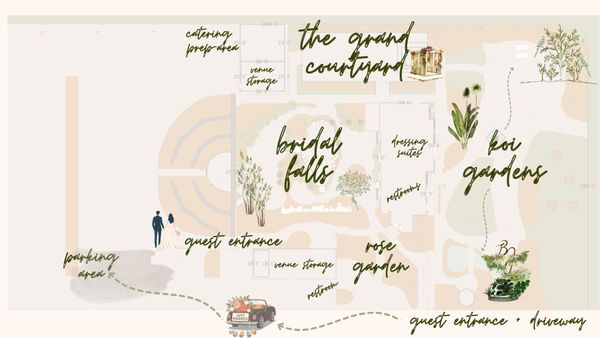
Ask the venue which conditions create a safety stop, then add comfort limits below it. A forecast is only one input. Walk the site at the ceremony time and note where wind funnels, where shade disappears, how far guests travel between spaces, and whether an indoor room can hold the ceremony without a long reset. Treat lightning, unsafe surfaces, and unstable structures as firm reasons to move, not aesthetic tradeoffs.
What should move first on the wedding day?
Protect the ceremony decision first because it controls guest flow and the rest of the schedule. If the outdoor ceremony moves inside, decide whether the same chairs can be flipped for dinner, whether the aisle changes, and where musicians or a DJ will stand. Keep the couple’s entrance, readings, and accessibility route intact where possible so the plan feels intentional rather than improvised.
Next, simplify elements that are most exposed. Replace an outdoor cocktail hour with drinks and small bites in a sheltered area, move portraits to a covered architectural spot, and shorten open-air transitions. A rain plan does not need to preserve every original station. It needs to preserve the experience guests value most, with enough space for service teams to work safely.
How do vendors coordinate the change?
Create a one-page weather sheet with the final call time, indoor and outdoor addresses or zones, parking instructions, load-in changes, and the name of the decision-maker. Send it to the venue, planner, caterer, rental company, florist, photographer, videographer, entertainment team, and transportation provider. Ask each vendor to reply with one operational impact, such as a power need, revised arrival window, or equipment protection step.
Give the venue and planner authority to sequence the reset. Rentals may need to move chairs before florals, catering may need a different buffet footprint, and entertainment may need to recheck outlets. The photographer should know the new portrait locations and the time protected for them. Transportation should know whether guests will leave from a different door or wait indoors between vehicles.
What should guests be told, and when?
Guests need a clear instruction, not an explanation of every forecast model. Use the channel they already watch, such as the wedding website alert, planner text tree, or venue announcement. Say where to go, when to arrive, whether the ceremony time changed, and what footwear or layers will be comfortable. If the change is made after guests begin traveling, put a greeter at the original location with a short sign.
Build accessibility into the message. Identify the step-free route, covered drop-off, nearby seating, and an indoor place for guests who need a break from heat or cold. Avoid asking every guest to interpret a map during a weather event. A concise update and visible staff at decision points will do more than a long email sent too late.
What belongs in the emergency kit and final rehearsal?
Keep a labeled weather kit with clear umbrellas, towels, garment bags, clips, weights approved by the venue, gaffer tape, spare signage, shoe protection, bottled water, fans or hand warmers as appropriate, and plastic bins for damp items. Ask before bringing anything that affects floors, walls, fire lanes, or rented equipment. The kit should be accessible to the planner or venue team, not packed in a locked personal car.
Schedule a ten-minute weather walk-through during the final venue meeting. Stand at the ceremony entrance, guest path, bar, restrooms, portrait area, and transportation point. Practice the move in the order vendors will execute it. Confirm who carries the signs, who tells the officiant, who checks the musicians’ power, and who meets guests outside. The rehearsal turns a paragraph in a plan into a sequence people can follow.
What is the simplest decision script?
Use this sequence: check the agreed forecast window, call the venue and planner, choose the safe layout, notify vendors, publish the guest message, then assign people to the original and new locations. Record the decision time so everyone is working from the same version. If conditions improve later, do not reverse the plan casually. Once equipment and guests are moving, consistency is usually safer than chasing a brief break in the weather. The strongest Bay Area backup plan protects people while preserving the celebration. Confirm the venue’s thresholds, designate one weather lead, map the guest route, and rehearse the reset with vendors. Then let the couple focus on the ceremony and the people who came to share it, knowing the operational choices have already been made.
Browse Vendors