How much is a second look worth if it only appears for the last three hours of the night? For many couples the honest answer depends less on the dress and more on what the change costs in time, help, and photos. A reception outfit change can be the most comfortable decision of the day, or a 40-minute gap in the party that nobody planned for. Treat it like any other line item: price it, schedule it, and decide whether it earns its place.
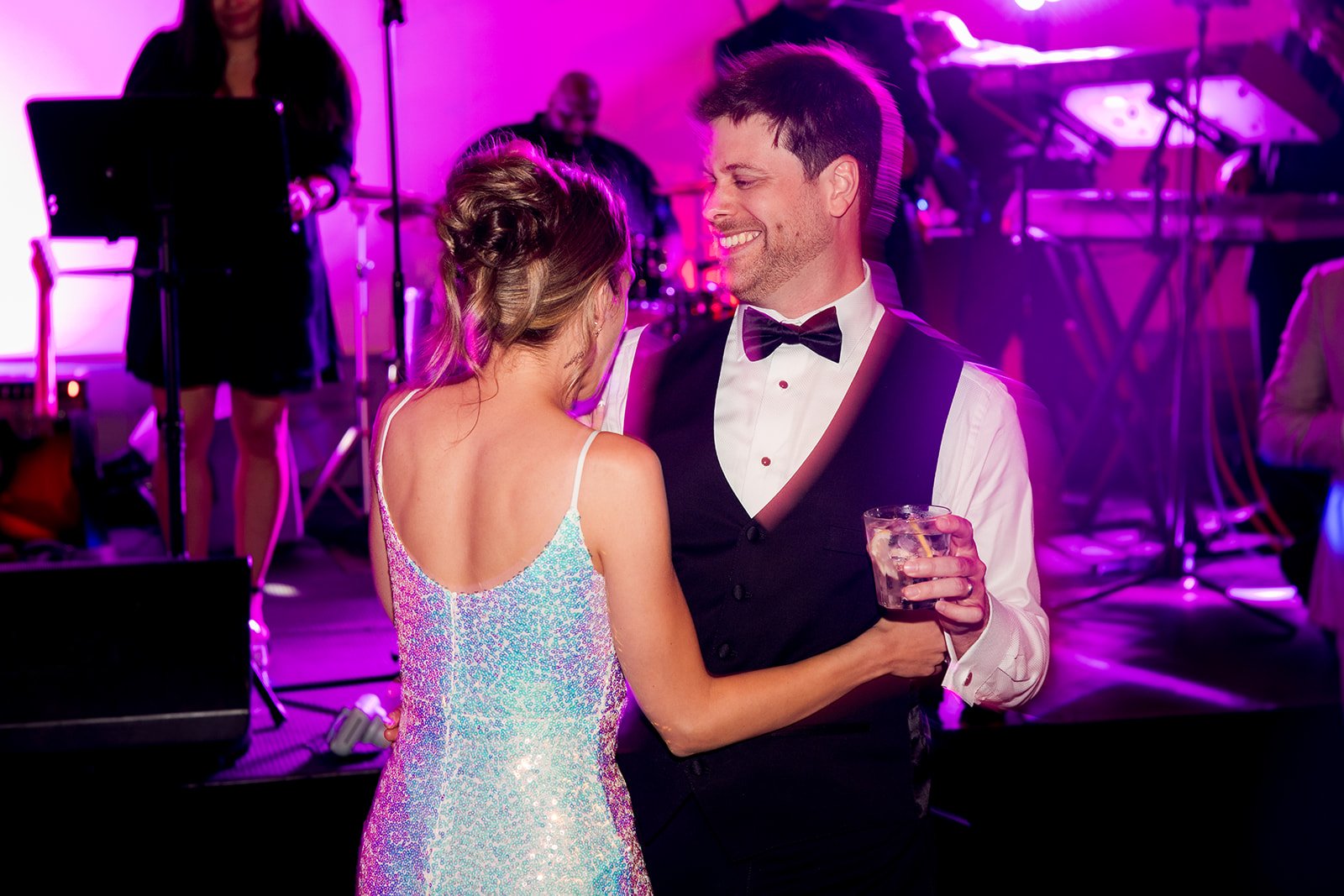
The photo above shows the version that works. The ceremony gown is gone, the sequins are on, and the couple is dancing in front of the band instead of hiding in a bridal suite. Getting there takes a little arithmetic and one honest conversation with your planner and photographer.
What a Second Look Actually Costs
The garment is only the first line. Couples who budget only for the dress are usually surprised by the smaller costs that follow it. Build your estimate from every piece the change touches, then ask each vendor for their real number before you commit.
- The outfit itself, whether a short dress, a jumpsuit, a second gown, a lehenga, or a suit jacket swap.
- Alterations, which are often quoted separately from the purchase and can need their own fitting appointments.
- Shoes and accessories that work with the new silhouette, especially if you are moving from heels to something you can dance in.
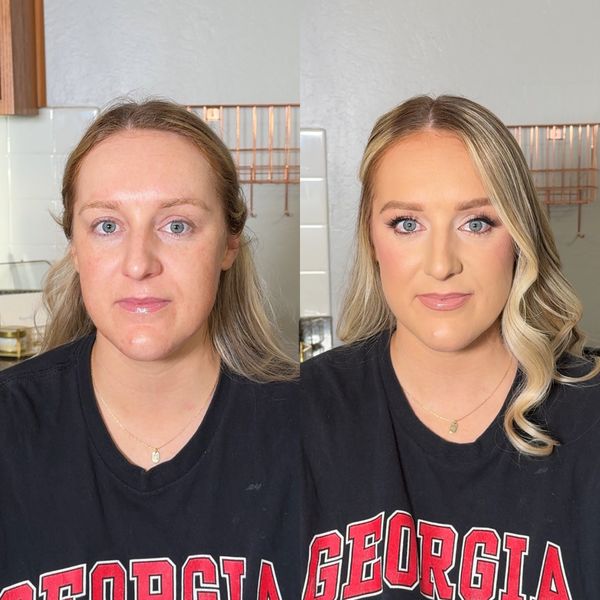
- Hair and makeup time if the change includes a new hairstyle or touch-ups, since many artists bill extra hours or a stay-late fee.
- Photography minutes, because time your photographer spends waiting outside a changing room is time not spent covering guests.
- Transportation or a garment bag plan, so the ceremony outfit gets home clean and someone is responsible for it.
An illustrative way to think about it: if the dress is the largest piece, the supporting costs can add a meaningful share on top. The exact figures vary widely by vendor and by how complicated the change is, so treat any number you see online, including here, as a prompt to get quotes rather than a fact about your wedding.
When to Change During the Reception
Timing matters more than the outfit. The goal is to change during a stretch when guests are already occupied, so the room keeps its energy while you are gone. Three windows tend to work well, each with a different tradeoff.
- After the grand entrance and first course. Guests are seated and eating, so a short absence goes unnoticed. The downside is that you miss part of dinner and toasts may need to move.
- After toasts and the first dance. The formal moments are documented in the ceremony look, and the second outfit arrives exactly when the dance floor opens. This is the most common choice for couples who want the change to feel like a reveal.
- Before the late-night set. Some couples keep the gown through most of the evening and switch only when the band or DJ shifts into a party set. It is the least disruptive option, but the second look appears in fewer photos.
Whichever window you choose, write it into the run-of-show with a start and end time. A change that is not on the timeline tends to expand to fill whatever time is available.
Plan the Change With Your Photographer
Your photographer can turn a logistical pause into some of the best images of the night, but only if they know it is coming. Share the planned window at your timeline call and ask what they need.
- A few minutes of portraits in the new look right after the change, while hair and makeup are fresh.
- A clear signal from your planner or coordinator when you are ready, so the photographer is not waiting by a closed door.
- A decision about whether you want the reveal captured on the dance floor or kept private.
- A reminder of where the light is good, since a quick portrait near the band lighting or a lit doorway can look very different from a dim hallway.
If your coverage ends at a fixed hour, check that the change happens comfortably before it. A second look that appears ten minutes before your photographer leaves may not make the gallery at all.
Make the Logistics Boring
The smoothest changes are rehearsed. Pick a private room close to the reception space, confirm with your venue that it stays available after dinner, and keep a small kit there: steamer or lint roller, safety pins, spare earring backs, tissues, water, and a hanger for the first outfit.
Assign two people. One helps with buttons, bustles, or wraps and knows how the new outfit fastens. The other is responsible for the ceremony gown, from hanging it to getting it home or to a cleaner. Many couples forget the second job until a dress spends the night crumpled in a car trunk.
Practice the change once at your final fitting and time it. If it takes longer than about 15 minutes in calm conditions, plan for more on the day, or simplify the outfit.
Is It Worth It for You
A reception outfit change is worth it when it solves a real problem: a heavy gown that limits dancing, a cultural tradition that calls for more than one look, or a strong wish to feel different once the formal part of the day is over. It is harder to justify when it is mostly about having more photos, because the photos still depend on the timing and coverage you plan around it.
Before you buy, run a short check. Can you name the window on your timeline? Does your photographer know about it? Have hair, makeup, and alterations quoted their part? Is someone assigned to the first outfit? If all four answers are yes, the change is likely to feel like part of the celebration rather than a break from it.
If you are still choosing vendors, browse Bay Area hair and makeup artists, photographers, and planners on BayAreaWeddings.com and ask each one how they have handled outfit changes at past weddings. Their answers will tell you a lot about how your evening will run.
Browse Vendors