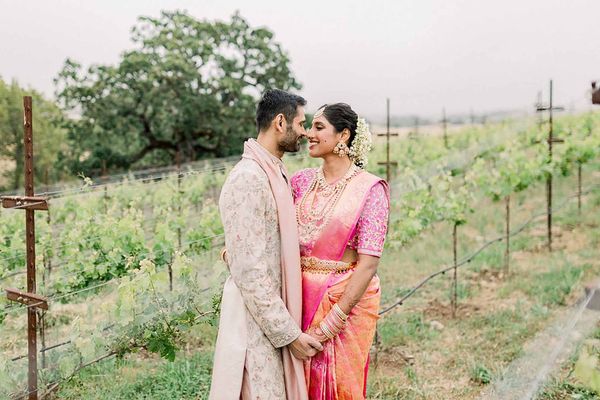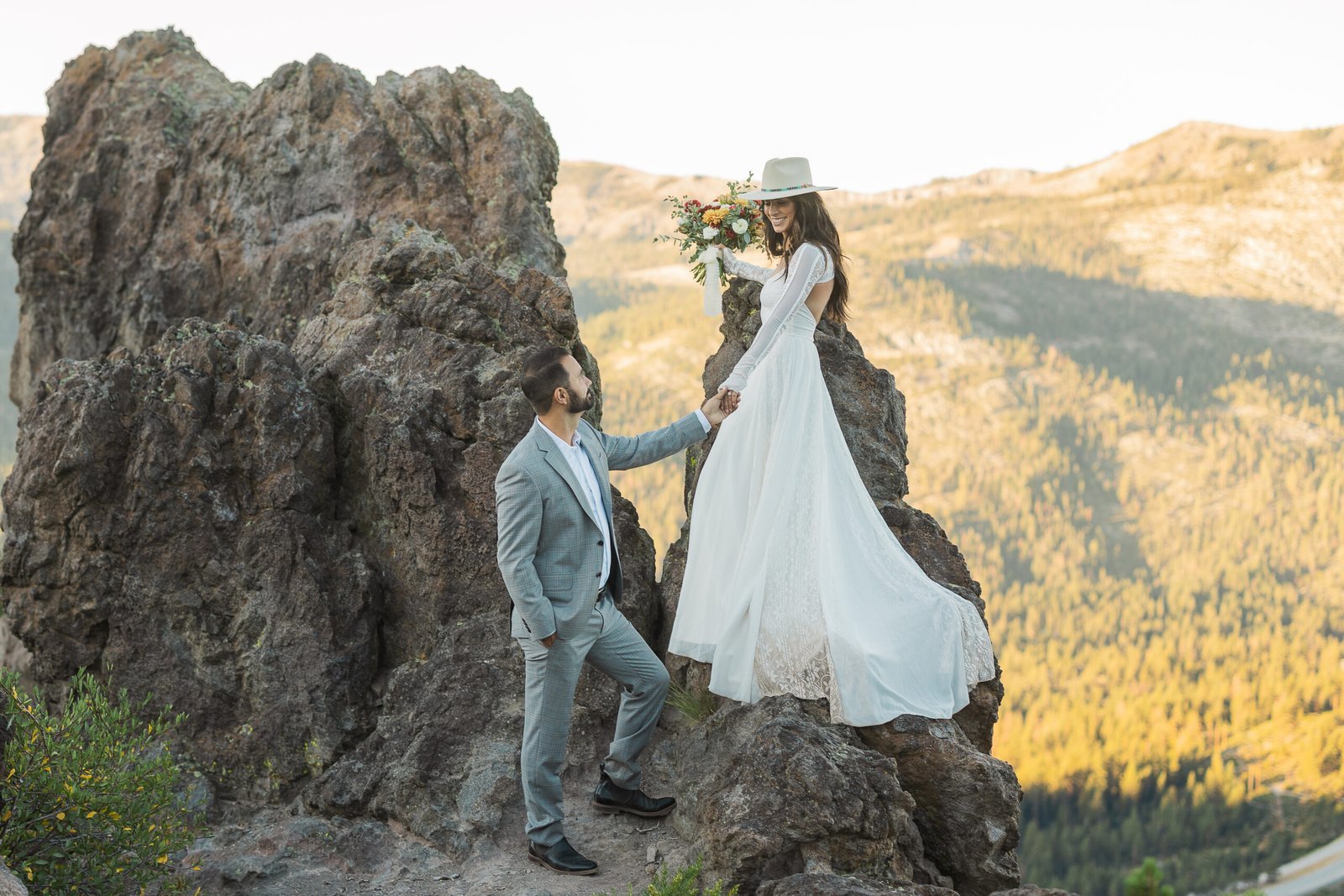
At 4:30 p.m., the ceremony is approaching, the light is changing, and the photographer's contract suddenly matters more than the portfolio that won you over. A Bay Area wedding photographer agreement is a working plan for coverage, people, images, payments, and unexpected changes. Read it as a timeline and a risk document, not just a signature page.
Make the coverage promise measurable
Start with the exact date, locations, start time, end time, and number of coverage hours. “Full day” can mean different things to different businesses, so look for a stated arrival and departure window. Confirm whether travel between a getting-ready location, ceremony, and reception is included in those hours or treated as additional time.
The contract should also identify who is providing the service. If a studio books the lead photographer later, ask when that assignment becomes final and whether you can approve a replacement. Check the promised number of photographers, the role of a second shooter, and whether an assistant is included or simply possible. These details affect how two preparation locations and a large family group will be covered.
Ask what happens when the schedule runs late. An overtime clause should state the rate, billing unit, approval process, and whether coverage can continue if the event timeline changes. Do not rely on a verbal assurance that the photographer will “just stay.” Put the decision and the cost in writing before the wedding day.
Read cancellation and rescheduling language together
A cancellation clause explains what happens to your retainer, installment payments, and any balance if you end the agreement. A rescheduling clause addresses a different problem: the event may still happen, but on another date. Look for the deadline for requesting a new date, whether the photographer must be available, and whether a new date creates a price difference or a new contract.
Bay Area weather, venue changes, family emergencies, and public disruptions can all affect a wedding plan. The contract should say who decides whether a date is postponed and how quickly the parties must notify each other. If the photographer cannot work the replacement date, check whether the remedy is a referral, a refund, a credit, or something else. Avoid assuming that a force-majeure paragraph answers every rescheduling question.
Ask whether cancellation terms change as the wedding gets closer. A staged payment schedule may correspond to work already performed, such as planning calls, location scouting, or date protection. Request a plain-language explanation of each nonrefundable amount so you can compare proposals on the same basis.
Confirm the image delivery promise
The delivery section should identify what you receive, how you receive it, and when to expect it. Look for an estimated or maximum turnaround, the format of the files, the size or resolution of the edited images, and whether a preview gallery is included. “All edited images” is less useful if the contract does not define how the gallery is delivered or how long it remains available.
Ask how selections, album design, and additional retouching work. Some photographers choose the final gallery; others provide a proofing gallery for your selections. Confirm whether black-and-white versions, cropping, album design, prints, or rush delivery are included or priced separately. Record the name of the person who will guide you through album decisions if the studio has a separate workflow.
Check the archival language as carefully as the delivery language. A photographer may promise to retain files for a stated period, but that is not the same as permanent backup. Download the gallery when it arrives, keep more than one backup, and ask what assistance is available if a link expires or a file appears damaged.
Understand copyright, sharing, and privacy
Copyright and personal-use rights are not interchangeable. The contract should explain who owns the copyright and what permission you receive to download, print, share, crop, or submit images for publication. If you want to order prints from another lab, use a wedding website, or give files to family, confirm those uses in writing rather than inferring them from the gallery download button.
Look for a model-release or portfolio-use provision. It may allow the photographer to display your images on a website, social account, awards submission, or advertising material. If privacy matters, ask whether you can opt out, limit identifiable images, or approve publication. Note whether the request changes the price or must be made before the wedding.
Also ask how sensitive details are handled. A photographer may capture invitation addresses, guest names, children, private vows, or cultural moments. A short written conversation about do-not-photograph requests and private galleries can prevent a broader disagreement later.
Check backup and substitution protections
A professional contract should address illness, equipment failure, travel disruption, and other situations that keep the named photographer from working. Look for a backup-photographer process, the standard for a substitute's experience, and what happens if no acceptable replacement is available. Ask whether the studio maintains duplicate cameras, multiple memory cards, and a plan for transferring files after the event.
The substitution language should match the promise you are buying. If the lead photographer's style is a deciding factor, ask whether you can review the replacement's portfolio. If a second photographer is named, clarify whether that person can step into the lead role or whether the studio has another contingency. These questions are practical, not pessimistic: they define the service when the original plan changes.
Use a final contract checklist before signing
Compare the agreement against the proposal, invoice, planning emails, and any package page. The signed contract should win when documents conflict, so request a corrected version rather than keeping promises in a separate email thread. Before sending the final signature, confirm these points:
- Date, locations, coverage window, travel, overtime rate, and number of photographers.
- Retainer, payment schedule, taxes or fees, late-payment rules, and cancellation refunds.
- Rescheduling deadlines, replacement-date terms, and the remedy if the photographer is unavailable.
- Gallery contents, delivery timing, file format, archive period, album process, and extra retouching.
- Copyright ownership, personal-use permission, portfolio release, privacy requests, and backup plan.
Send one concise list of unresolved questions and save the final signed PDF with the invoice and payment receipts. Then put the agreed coverage window, family-photo priorities, privacy requests, and delivery contact in your wedding planning notes. A clear contract cannot remove every wedding-day variable, but it can make responsibilities visible before the timeline gets busy.
Browse Vendors