The first look is not a style choice. It is a time and cost tradeoff, and every couple deciding on one is making a bet about where they want to spend their daylight. Here is the working breakdown from the photographer's side: what each hour of coverage costs, what each timeline option buys you, and where the emotional line actually falls.
The hidden cost of skipping the first look
A no-first-look timeline typically requires an extra hour of daylight coverage after the ceremony for couple portraits, family formals, and wedding-party photos. In the Bay Area, most photographers price at $400 to $700 per hour for additional coverage on packages that start at $4,500 to $8,500 for eight hours. That single hour costs $400 to $700 in photographer fees alone.
It also costs your reception time. Post-ceremony portraits that run 60 to 90 minutes push cocktail hour long, delay dinner service, and shorten the dancing window at the end of the night. Every venue in the Bay Area has an outdoor amplified music curfew; the extra minutes come out of the dance floor, not the front end.
The first look: what it actually buys you
A first look at 2:00 or 2:30 p.m. before a 4:00 p.m. ceremony pulls all couple portraits, wedding party photos, and most family formals into the pre-ceremony window. When the ceremony ends, you go straight to cocktail hour with your guests. Cocktail hour becomes a real hour of your wedding rather than a holding pattern. Dinner starts on time. Dancing runs the full advertised window.
The measurable difference at the end of the night: couples who do a first look average 40 to 60 more minutes on the dance floor at the same total coverage hours. That is not a soft benefit; that is a big chunk of the party.
The light math: why afternoon photos beat post-ceremony photos
For a 4:00 p.m. ceremony in July at a Bay Area vineyard, the sun sets around 8:30 p.m. Post-ceremony portraits run from roughly 4:45 to 5:45 p.m., in bright, high-contrast late-afternoon light. That is usable but not flattering; the sun is high, shadows are harsh, and family members are squinting.
A first look at 2:00 p.m. is earlier, cleaner light with the couple relaxed and alone. Golden hour, when the light is soft and low, then falls between 7:30 and 8:15 p.m. on the same day. That golden hour is available to you if you have already done the formal portraits; you can steal 15 to 20 minutes from the reception for a couple's sunset walk. Without a first look, you spend that window on family formals instead.
Timeline comparison at the same 8-hour coverage
- First look at 2:00 p.m.: portraits done by 3:30, guests arrive at 3:30, ceremony 4:00, cocktail 4:30, dinner 5:45, dancing 7:00, sunset walk 7:45.
- No first look, 4:00 p.m. ceremony: cocktail 4:30, portraits 4:45 to 5:45, dinner 6:15 to 7:30, dancing 7:30, coverage ends 10:00 with a shorter dance window.
The emotional cost: what couples actually report
The argument against the first look is that it removes the aisle moment. That is real and it is worth taking seriously. In post-wedding surveys Bay Area photographers run, couples who did a first look almost universally report that the aisle moment was still emotional; if anything, they felt more present because they had already had the private moment together earlier.
Couples who skipped the first look report the aisle moment as their highest emotional peak of the day; they also report more of the day feeling rushed. Neither answer is wrong. The honest read is: the first look is a way to make the wedding day feel less like a schedule and more like a series of moments you actually see.
Where the first look does not make sense
Not every wedding needs it. If your ceremony is at 6:00 p.m. or later, the post-ceremony light is soft and the coverage window is short; a first look adds hours to your day rather than saving them. If you are hiring six-hour coverage for a small ceremony under 60 guests, there is not enough scheduling pressure to justify it. If your religious or family tradition specifies that the couple does not see each other before the ceremony, that is the answer.
When to skip the first look
- Ceremony at 5:30 p.m. or later with sunset within two hours.
- Guest count under 60 with a compressed timeline already.
- Religious or cultural tradition that specifies otherwise.
- Coverage of six hours or less where the extra hour cost is not the constraint.
The photographer's actual recommendation
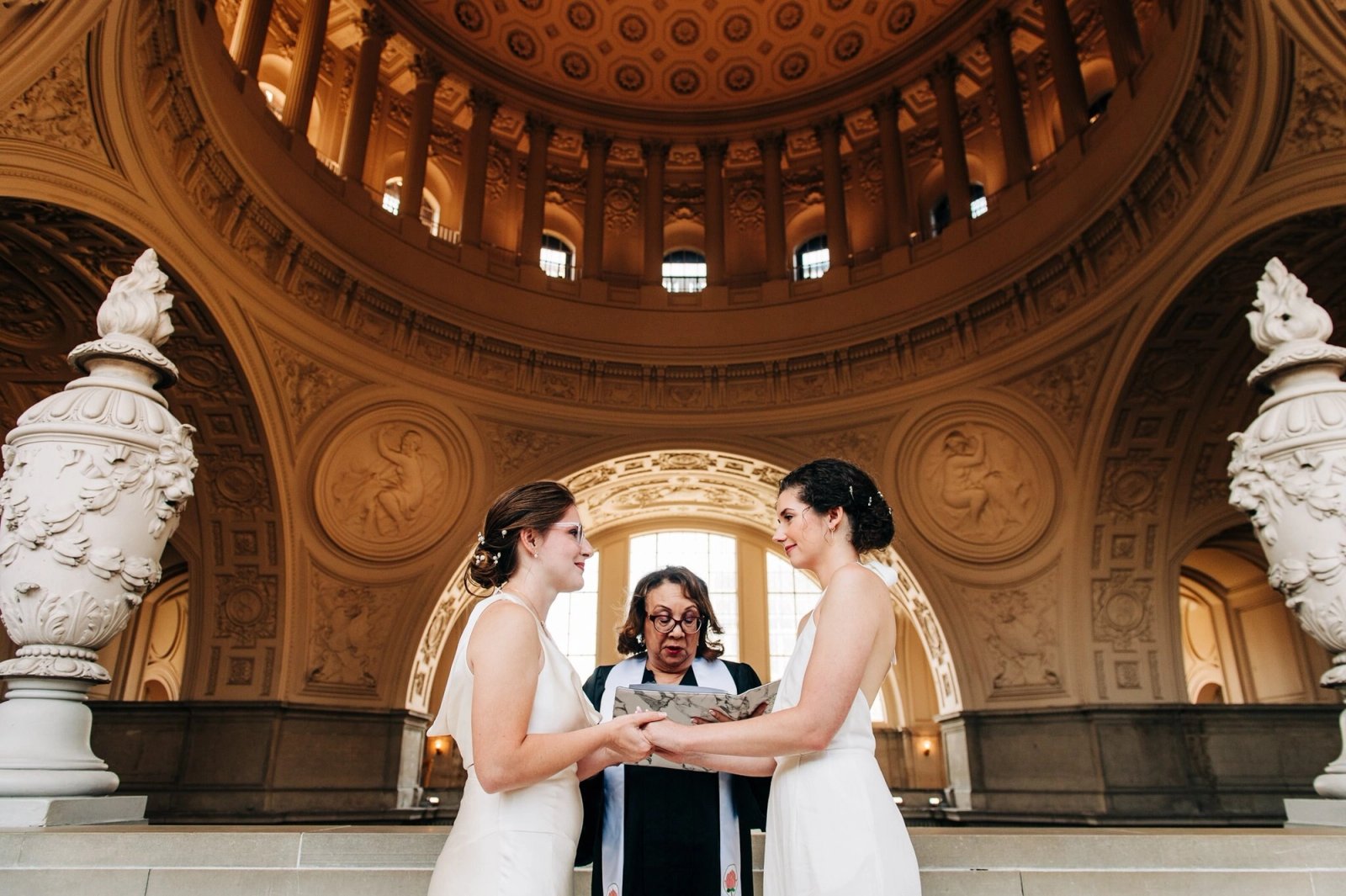
For a 4:00 p.m. Bay Area vineyard, coastal, or garden wedding with an 8- or 9-hour coverage window, the first look is the right choice about 80 percent of the time. It buys back the reception, it buys back the golden hour, and the emotional cost is smaller than couples expect. Where you should think harder is City Hall or short-format weddings, evening ceremonies, and any timeline where the ceremony is already the last thing that has to happen before dark.
Talk to your photographer honestly, ideally at the timeline planning meeting three months out. Ask them to walk you through both timelines side by side with your actual venue and time of year. A good photographer will show you the two-hour dance-floor difference in specific minutes, and then let you decide which side of the tradeoff you want.
Browse Vendors