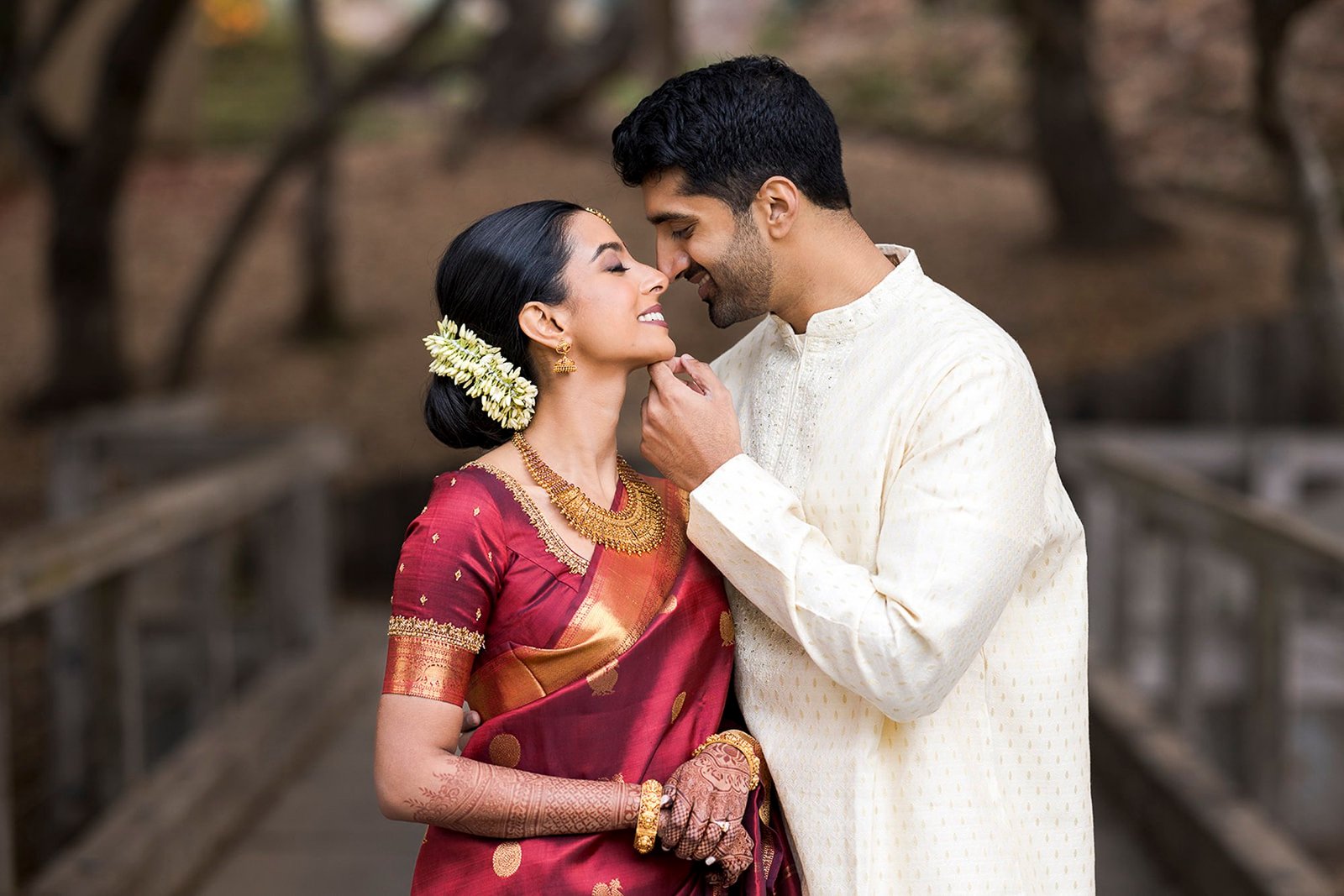
If you’re planning a queer wedding in the Bay Area, you have options — from fully custom ceremonies written by a professional celebrant, to a quick-and-legal City Hall signing, to faith-forward ceremonies in affirming communities. The hard part isn’t “finding someone who can sign the license.” It’s finding a person who will use the right language, get the tone right, and make you feel unmistakably seen.
Below is a Bay Area–specific guide to finding an LGBTQ+-affirming officiant (and a small, practical vendor network to support the ceremony day). Every program changes, so confirm current pricing, policies, and inclusions directly with each vendor’s events team.
What “LGBTQ+-affirming” looks like in an officiant
Anyone can say “I’m inclusive.” In practice, the best officiants show it in their process and their language.
Green flags to look for
- They ask pronouns and names early, and they get them right in the written draft.
- They don’t default to “bride and groom” (unless you tell them that’s your language).
- They can name recent LGBTQ+ ceremonies they’ve led (without oversharing private details).
- They’re comfortable with chosen family (siblings-of-the-heart, nontraditional parent roles, etc.).
- They offer a script review so you can fix awkward lines before the wedding.
Questions worth asking on the first call
- Do you have experience officiating LGBTQ+ weddings and using gender-neutral language?
- Can we review and edit the ceremony script before the day?
- What’s your backup plan if you’re sick or delayed?
- Do you attend rehearsals? If yes, is it included or an add-on?
- Do you file the marriage license, or is that on us?
Bay Area LGBTQ+-friendly officiant options (real places to start)
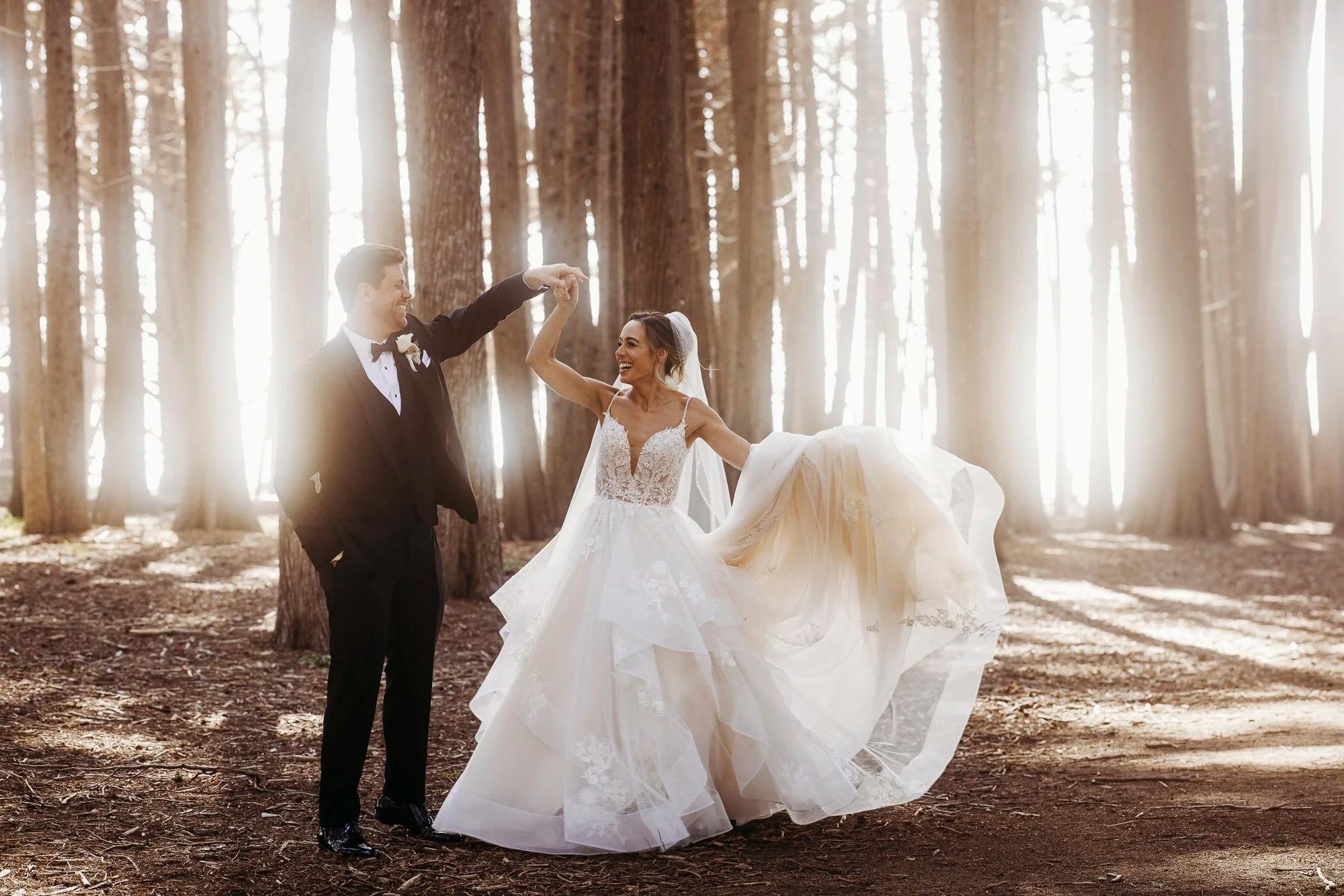
Here are a few reliable on-ramps that Bay Area couples actually use. Some are “one person” officiants; others are agencies or systems that match you with a pro.
1) San Francisco City Hall (county clerk / marriage commissioner)
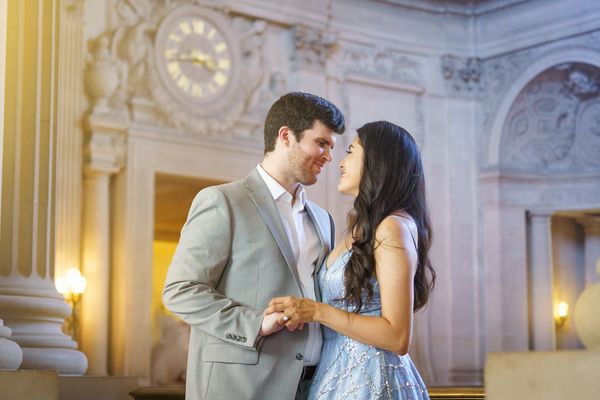
If you want a simple, iconic, and efficient ceremony, San Francisco City Hall is hard to beat — and you can keep the rest of the day entirely your own (a lunch reception, a portrait session, a private dinner, etc.). SF.gov also lists a recurring Pride wedding event at City Hall, which is a helpful signal that the program is intentionally welcoming to LGBTQ+ couples. (Always confirm dates, appointment rules, and what’s included.)
Best for: couples who want a short civil ceremony and classic architecture.
2) Events In Minutes (Bay Area officiant packages)
Events In Minutes lists multiple officiant packages that explicitly mention LGBTQ+ ceremonies and service across the Bay Area. Their listings also provide unusually concrete details — for example, one inclusive officiant package lists a flat rate and describes a planning consult, custom script, and rehearsal run-through.
Best for: couples who want a professional, structured process (often with clear pricing tiers).
3) My SF Wedding (officiant + optional photography)
My SF Wedding positions itself as an officiant service based in San Francisco, with the option to bundle photography. If you’re planning from out of town, the “one point of contact” model can reduce coordination — but you can also keep services separate.
Best for: destination couples who want an efficient, streamlined plan.
4) Unitarian Universalist communities (Berkeley and beyond)
If you want a ceremony that’s spiritual-but-not-dogmatic (or you’re UU already), many Unitarian Universalist communities are explicitly LGBTQ+ welcoming and often have experienced clergy or lay leaders who officiate weddings.
Best for: couples who want an affirming faith community and a ceremony with spiritual language.
A small “vendor network” that supports the ceremony day
Officiants don’t work in a vacuum. Here are a few vendor categories that make the ceremony feel effortless — especially in outdoor locations where sound, timing, and paperwork matter.
Ceremony sound (microphone + a clean music cue)
If you’re outdoors, wind and ambient noise can swallow vows. A simple ceremony-only sound setup (a lapel mic for the officiant and a second mic for vows/readings) is often the difference between “intimate” and “no one heard anything.” Events In Minutes also lists a ceremony sound and microphone package that covers the Bay Area.
Photo coverage for the ceremony (even if you skip a full-day package)
Many couples book a short coverage window: pre-ceremony portraits + ceremony + a few family photos. This is especially common for City Hall and for weekday elopements.
Planning / coordination support
If you’re doing a backyard, park, or restaurant wedding, a day-of coordinator can keep you out of logistics. Even in smaller weddings, having someone else manage the lineup, cues, and the “where’s the license?” moment can be worth it.
Bay Area–specific planning notes for queer ceremonies
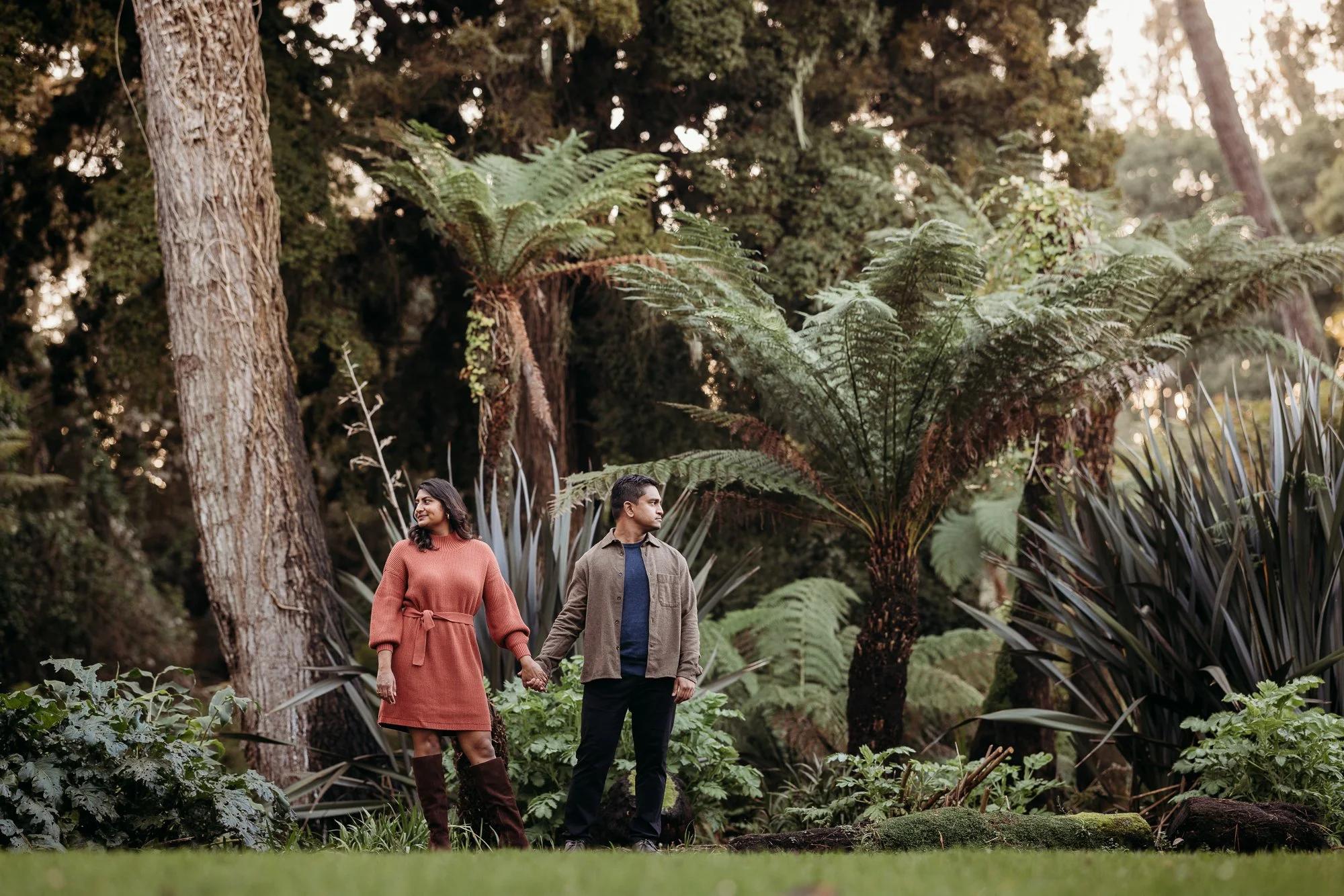
Language matters (and you can decide it)
You get to choose what you’re called in your own ceremony: “partners,” “spouses,” “wives,” “husbands,” “brides,” “grooms,” or something else entirely. A great officiant will mirror your language consistently — including in the pronouncement.
Family dynamics: plan the processional intentionally
Some couples want both parents walking, some want neither, and some want chosen family front and center. Build a processional that feels accurate to your story — and tell your officiant (and photographer) the plan so it doesn’t become a last-minute question at the aisle.
Paperwork: decide who owns it
In California, the marriage license is what matters legally. Ask your officiant exactly who will:
- confirm the license is present before the ceremony
- confirm the witness requirement
- handle where the signing happens (quiet corner vs. altar)
- return the license to the issuing county
Practical budget expectations
Officiant pricing in the Bay Area varies widely based on how custom the ceremony is, whether rehearsal is included, and travel time. Many couples find that:
- Quick legal signing / simple ceremony costs less.
- Fully custom writing + multiple meetings + rehearsal costs more.
- Peak Saturdays may have higher minimums.
Get a written quote that states what’s included: planning calls, script drafts, rehearsal, travel fees, filing, and day-of arrival time.
A simple way to build your own LGBTQ+ vendor shortlist
If you want to go beyond the starting points above, here’s a quick method:
- Start with an LGBTQ+ wedding media brand’s vendor directory (for inspiration and referrals) like Equally Wed.
- Cross-check reviews on a large vendor directory (WeddingWire, The Knot) for consistency.
- Ask your venue coordinator who they see repeatedly with LGBTQ+ couples.
- Have a short call, listen for comfort and fluency, and request a sample ceremony outline.
Final thoughts
The right officiant is part writer, part public speaker, part calm presence — and they set the emotional tone for the entire day. In the Bay Area, you don’t have to settle for “tolerant.” You can hire someone who feels like they’re on your team from the first email.
Every venue and vendor changes programs over time, so confirm current terms directly — and trust your gut on the first conversation. If you feel instantly relaxed, you’re probably in the right place.
Browse Vendors