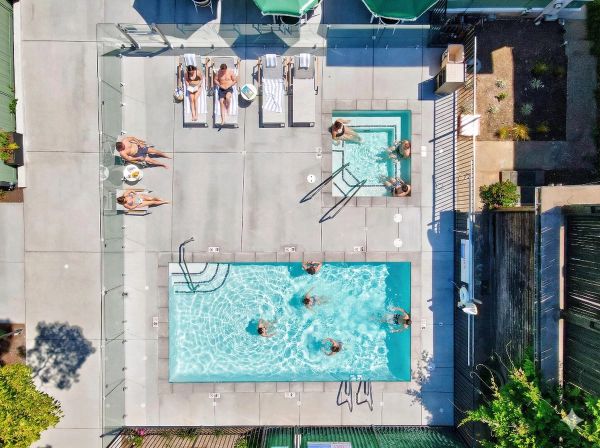
The Bay Area is famous for feeling like three seasons at once. That’s charming for weekend plans, but it can surprise couples when a ceremony in San Francisco turns chilly and windy while their friends in Sonoma are posting 90°F pool photos.
The good news: microclimates are predictable once you plan around a few repeat patterns (marine layer, afternoon wind, inland heat, and occasional smoke). This guide is a practical way to pick times, locations, and logistics so your wedding feels intentional—not like you got ‘weather roulette.’
Start with the Bay Area’s 4 repeating weather patterns
1) The marine layer (fog/low clouds)
In late spring and summer, cool ocean air often forms a low cloud deck along the coast and pushes inland, especially overnight and in the morning. Coastal and west-side locations can stay in the 50s–60s while inland venues sit in the 80s or 90s. NWS forecast discussions for the Bay Area often call out the marine layer depth and where it’s likely to linger.
2) Afternoon wind (the ‘it looked calm at noon’ problem)
Even on sunny days, onshore wind typically strengthens in the afternoon—especially near gaps and waterfront areas. That’s why a 4:30 p.m. ceremony at a coastal venue can feel dramatically colder than the same spot at 1:00 p.m.
3) Inland heat spikes
When the interior warms, the temperature gradient pulls more ocean air through the Golden Gate and other gaps. This can create a bigger coast-vs-inland split on the same day: foggy and breezy by the water, hot and still farther inland.
4) Late-summer/early-fall smoke risk
Some years bring wildfire smoke that affects air quality across the region. Local agencies like the Bay Area Air Quality Management District publish seasonal guidance and preparedness reminders. For weddings, the key is having an indoor or filtered-air contingency plan that protects guests while keeping your day on track.
Choose your date with microclimates in mind (not just ‘summer vs winter’)
In the Bay Area, ‘summer wedding’ doesn’t always mean warm. June and July can be some of San Francisco’s chilliest-feeling months because the marine layer is so consistent. Meanwhile, September and October are often warmer and clearer (especially in the city), but that overlaps with higher wildfire/smoke risk.
If you’re flexible, build your shortlist like this: decide your priority (warmth, clear skies, lowest smoke risk, green hills, budget), then pick the region and month that best matches that priority.
A simple decision framework
Ask yourselves: what would be most disappointing—cold guests, harsh midday sun, or an air-quality pivot? Your answer usually points to the right season and venue style.
Pick the right time of day for your location
Timing matters as much as month. Two identical venues can feel totally different depending on when you schedule the ceremony.
- Coast / SF west side / Pacifica / Half Moon Bay: Plan for wind and colder temps after mid-afternoon. Earlier ceremonies often feel calmer and brighter.
- SF east side / bayside Peninsula: Late afternoon can be beautiful, but plan layers for guests if wind funnels through nearby gaps.
- Wine Country / inland East Bay / South Bay: Consider late afternoon or golden hour to avoid heat, especially for outdoor ceremonies.
- Redwood groves: Even on warm days, shade can make it feel cool—especially once the sun drops behind the trees. Budget for heaters if dinner is outdoors.
Venue types that ‘solve’ microclimates (with Bay Area examples)
If your guest list includes out-of-towners, older relatives, or anyone sensitive to heat/cold, prioritize venues with easy pivots: indoor options, covered patios, and short walking distances.
Greenhouse / conservatory-style venues
These are ideal for ‘I want greenery even if it’s foggy’ couples. You get plants, soft light, and protection from wind.
- San Francisco Conservatory of Flowers (Golden Gate Park): iconic greenhouse look; confirm current event rules and capacity with their team.
- U.C. Berkeley Botanical Garden: multiple ceremony spots; check wind exposure and parking/guest flow.
Winery venues with strong indoor/outdoor flow
In Napa/Sonoma, afternoon heat can be intense. The best winery weddings have shaded ceremony spots and indoor reception backup.
- Charles Krug Winery (St. Helena): classic Napa setting with mature trees and flexible event spaces; confirm current package details and timing rules.
- Gundlach Bundschu (Sonoma): known for open-air feel; ask about wind patterns on the property for your chosen ceremony time.
Coastal venues with built-in wind plans
For ocean views, look for venues with wind breaks, indoor cocktail hour space, and a realistic heater plan.
- Cavallo Point (Sausalito): scenic and more sheltered than many true-coast options; ask about typical late-afternoon wind on your date range.
- The Ritz-Carlton, Half Moon Bay: dramatic coastline; confirm backup locations if fog/wind is heavy.
Build a weather plan your vendors can actually execute
A good plan is specific, written down, and easy to call on the day. Don’t just say ‘we’ll move inside if it’s cold.’ Define triggers and who makes the call.
Write down your ‘pivot triggers’
- Wind: If gusts make hair/mics/programs hard to manage, move the ceremony to the sheltered option.
- Temperature: If it’s below your comfort threshold (often 62–65°F for seated outdoor ceremonies), add heaters or move indoors.
- Fog/drizzle: If chairs are damp by guest arrival time, flip to the covered setup.
- Air quality: If AQI is unhealthy for sensitive groups, shift to an indoor/filtered-air plan.
Assign owners
Make one person the ‘weather decider’ (planner/coordinator is best). Give them the authority to act without a committee meeting.
Use the right forecasting tools
For week-of planning, check the National Weather Service forecast discussions for the Bay Area (they often explain marine layer depth and onshore wind). For day-of, lean on hyper-local neighborhood forecasts and on-site observations.
Guest comfort: what to budget for (and what’s usually wasted)
- Heaters: Worth it for coastal, redwood, and evening outdoor dinners. Place them where people will sit, not just near walkways.
- Blankets: Nice, but only if they’re easy to grab and clearly offered. Otherwise they sit untouched.
- Clear umbrellas: Useful for misty days and photo-friendly; coordinate distribution so it doesn’t become a scramble.
- Hair and makeup timing: If you’re near fog, schedule portraits earlier and protect curls with a realistic timeline and products.
Microclimate-friendly photo planning
Photographers can work with almost anything—fog can be stunning—but you’ll get better coverage if you plan locations that match the day’s reality.
- Build a ‘Plan A / Plan B’ portrait list: one sunny spot, one fog-friendly spot, and one indoor option.
- If you want a golden sunset: inland or bayside locations give you better odds than the immediate coast in June/July.
- If you love fog: embrace it and schedule 10–15 extra minutes so you’re not rushing between pockets of visibility.
A sample microclimate-proof wedding timeline (Bay Area)
Here’s a structure that works well for many couples: keep the ceremony earlier in wind-prone places, then transition to a more protected reception flow.
Example: 1:00 p.m. first look; 2:30 p.m. ceremony; 3:15 p.m. cocktail hour indoors or in a sheltered courtyard; 5:00 p.m. dinner; 7:30 p.m. dancing.
Final checklist (print this)
- Confirm the venue’s true indoor backup capacity (chairs, dance floor, buffet, everything).
- Ask the venue: ‘When does wind usually pick up here?’ and plan your ceremony time accordingly.
- Have a heater plan with quantities and placement, not a vague idea.
- If your date overlaps with smoke season, ask your venue about HVAC filtration and whether they can run in recirculation mode.
- Communicate dress expectations to guests (layers beat formality stress).
Every venue’s policies and event operations change—confirm current terms directly with the venue’s events team, and treat this guide as a planning framework you tailor to your specific location.
Browse Vendors