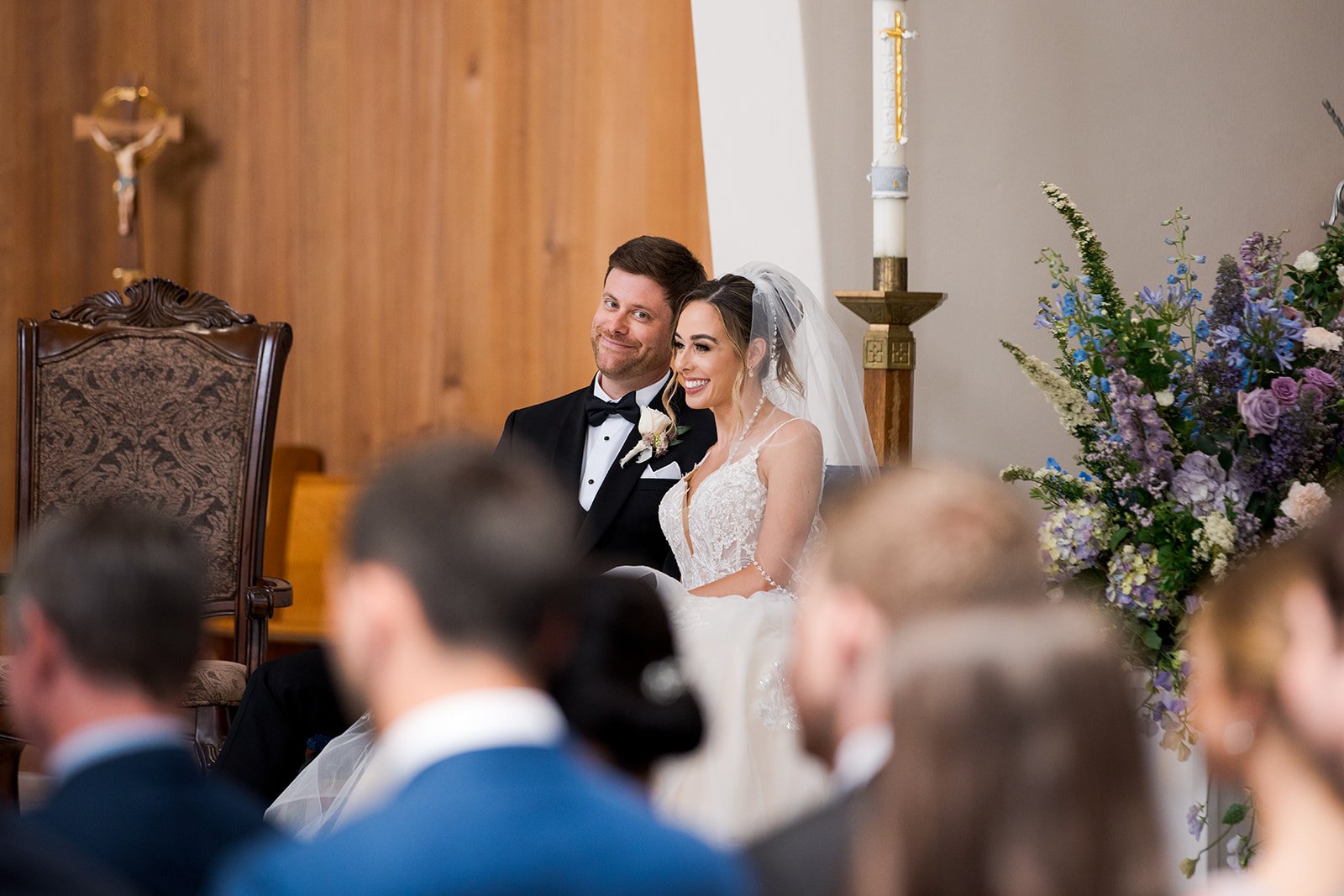
A dress that fits perfectly on the hanger almost never fits perfectly on the day. Gowns are made to standard sizes, and bodies are not, so nearly every wedding dress needs some alteration. The surprise for many couples is not that alterations are needed, but how long they take and how much the final bill depends on the dress itself.
Here are ten things to know about wedding dress alterations, from when to start to what makes the cost go up. Exact prices vary widely by seamstress, gown, and the work involved, so treat this as a guide to the questions to ask, not a price list.
1. Start Earlier Than You Think
Many seamstresses suggest beginning alterations roughly two to three months before the wedding, and earlier for complex gowns or busy seasons. Book the seamstress itself even sooner, since popular shops fill up during spring and summer. Ask your shop how far ahead they schedule and plan around their answer rather than a general rule.
2. Expect More Than One Fitting
Alterations usually happen over several appointments. The first fitting sets the plan and pins the changes. Later fittings check the work and adjust details. A final fitting close to the wedding confirms everything fits and gives you a chance to practice the bustle. Complex changes may need more visits.
3. Bring the Right Shoes and Undergarments
Hem length depends on your shoe height, and fit depends on what you wear underneath. Bring the exact shoes and undergarments you plan to wear on the day to every fitting. Changing shoes after the hem is set can mean paying to redo it.
4. Hemming Is Often the Biggest Job
Hemming sounds simple, but on a wedding dress it can be one of the most involved changes. Multiple layers, lace edges, beading along the hem, and horsehair trim all add time. A plain single-layer hem is usually quicker than a layered tulle skirt with a lace border that must be removed and reattached.
5. Bustles Vary in Complexity
If your dress has a train, you will likely want a bustle so you can move and dance at the reception. A simple bustle uses a few hooks or buttons. A more elaborate style uses many attachment points and takes longer to sew and to fasten. Ask to see examples and choose one that suits the train and how much you plan to move.
6. Taking In Is Usually Easier Than Letting Out
Most gowns can be taken in more easily than they can be let out, since there may be limited extra fabric in the seams. If you are between sizes when ordering, ask the bridal shop and seamstress which size gives more room to work with.
7. Fabric and Embellishment Drive the Cost
Beading, sequins, lace appliques, and delicate fabrics like silk and chiffon take more care and time. A seamstress may need to remove embellishments, make the change, and then reattach them by hand. That labor is often what separates a modest alteration bill from a large one.
Structural changes cost more as well. Adding sleeves or straps, changing a neckline, adding cups or boning for support, or reshaping a skirt is a bigger job than adjusting a seam. If you are considering a major change, ask the seamstress whether it is realistic for your gown before committing.
8. Ask How Pricing Works
- Some shops charge per alteration, with a separate price for hemming, bustling, and taking in.
- Some offer a flat package for a set number of fittings and changes.
- Some quote only after seeing the dress on you.
Ask for a written estimate after the first fitting, and ask what would cause the final price to change. Rush fees for tight timelines are common, so starting early can save money.
9. Plan for Weight and Body Changes
Bodies change during wedding planning, from stress, fitness goals, or pregnancy. If you expect changes, tell your seamstress early. They may schedule the most fitted work closer to the date or leave room for a final adjustment. Telling them up front is cheaper than undoing work later.
Plan for the dress itself too. Store it hanging in a breathable garment bag between fittings, away from sunlight and humidity, and decide who will pick it up after the final fitting. Some shops will steam and press the gown for collection; others leave that to you. Confirm before the final week so nothing is rushed.
10. Budget for It From the Start
Alterations are easy to leave out of the dress budget, then feel like an unexpected cost. Set aside a separate line for them when you choose your gown, alongside steaming or pressing before the day and any accessories like a veil or belt. A gown with heavy beading or a layered skirt may justify a larger cushion.
Your gown should feel comfortable for hours of standing, sitting, hugging, and dancing. Give your seamstress time to get it right, and give yourself room in the budget to do it well. While you plan, browse Bay Area photographers and hair and makeup artists who can help you look and feel your best on the day.
Browse Vendors