Two minutes. That is about how long a typical ceremony reading lasts, and it is often the only moment in the ceremony when someone other than the couple or the officiant speaks. Yet readings are frequently chosen last, pulled from the first search result the week before the wedding, and handed to whoever has not been given another job. We think they deserve more thought than that.
A reading is not filler between the processional and the vows. Done well, it sets the tone for everything that follows. It tells your guests what you believe about love, or commitment, or family, in words you did not have to write yourself. Here is how we think about choosing readings, and the people who read them.
Start With What You Want Guests to Feel
Most couples begin by searching for popular wedding readings. That approach finds familiar passages, which is not a bad thing, but it skips the more useful question: what do you want the room to feel in that moment?
Some couples want a quiet, reflective pause. Others want a laugh to break the nerves. Some want to honor a faith tradition, a culture, or a family member who has passed. Each of those points to a different kind of reading. Decide on the feeling first, then look for words that create it.
Look Beyond the Usual Sources
Religious texts, classic poetry, and well-known literary passages are popular for good reasons. They carry weight, and many guests recognize them. But some of the most memorable readings come from unexpected places:
- A passage from a novel or children's book that matters to you both.
- A letter written by a grandparent, with the family's permission.
- Lyrics from a song, read aloud rather than sung.
- A short essay or speech on love or partnership.
- Words in a family language, followed by a translation.
If your ceremony is in a religious setting, ask your officiant whether there are guidelines on readings. Some traditions have specific expectations, while others are open to anything. It is better to know early.
Shorter Is Almost Always Better
A reading that feels perfect on the page can feel long when spoken aloud to a standing or seated crowd, especially outdoors with wind or traffic in the background. Read your choice aloud and time it. If it runs much past two or three minutes, consider an excerpt.
Brevity also helps the reader. A nervous friend can deliver a short passage well, but a long one can become a test of endurance. Trim to the lines that carry the meaning, and let the rest go.
Choose Readers for Who They Are, Not Just Who Is Left
Asking someone to read is an honor, and it is a good way to include people who are important to you but not in the wedding party. A sibling, a godparent, a mentor, or a close family friend can all bring meaning to the role.
That said, comfort matters. Some people love speaking in front of a crowd. Others dread it. Ask privately and give them an easy way to say no. A reader who feels at ease will deliver the words with warmth, and that comes through to guests.
Think about matching the reading to the reader, too. A playful passage suits someone with a light touch. A reflective piece suits someone with a calm voice. When the person and the words fit, the moment feels natural.
Think About Where Readings Fall
Placement shapes how a reading lands. Many ceremonies place one reading after the welcome and another before the vows, but there is no fixed rule. A lighter reading early can ease guests in, while a more serious one just before the vows can build toward the most important moment. Work out the order with your officiant so the ceremony flows.
Help Your Readers Succeed
Give readers their text early, ideally a few weeks before the wedding. Print a clean copy in a large font so it is easy to read, and have a backup copy on hand. Let them know where they will stand, when they will be called up, and whether there will be a microphone.
A short walk-through at the rehearsal goes a long way. Readers can practice stepping up, finding the mic, and pacing themselves. Remind them to slow down. Nerves make almost everyone speak too quickly.
Consider the Photos and the Recording
Readings are a meaningful moment for your photographer and videographer, too. Tell them who is reading and when, so they can be in position to capture the reader and your reactions. If you are recording audio, make sure the reader uses the microphone and does not turn away from it.
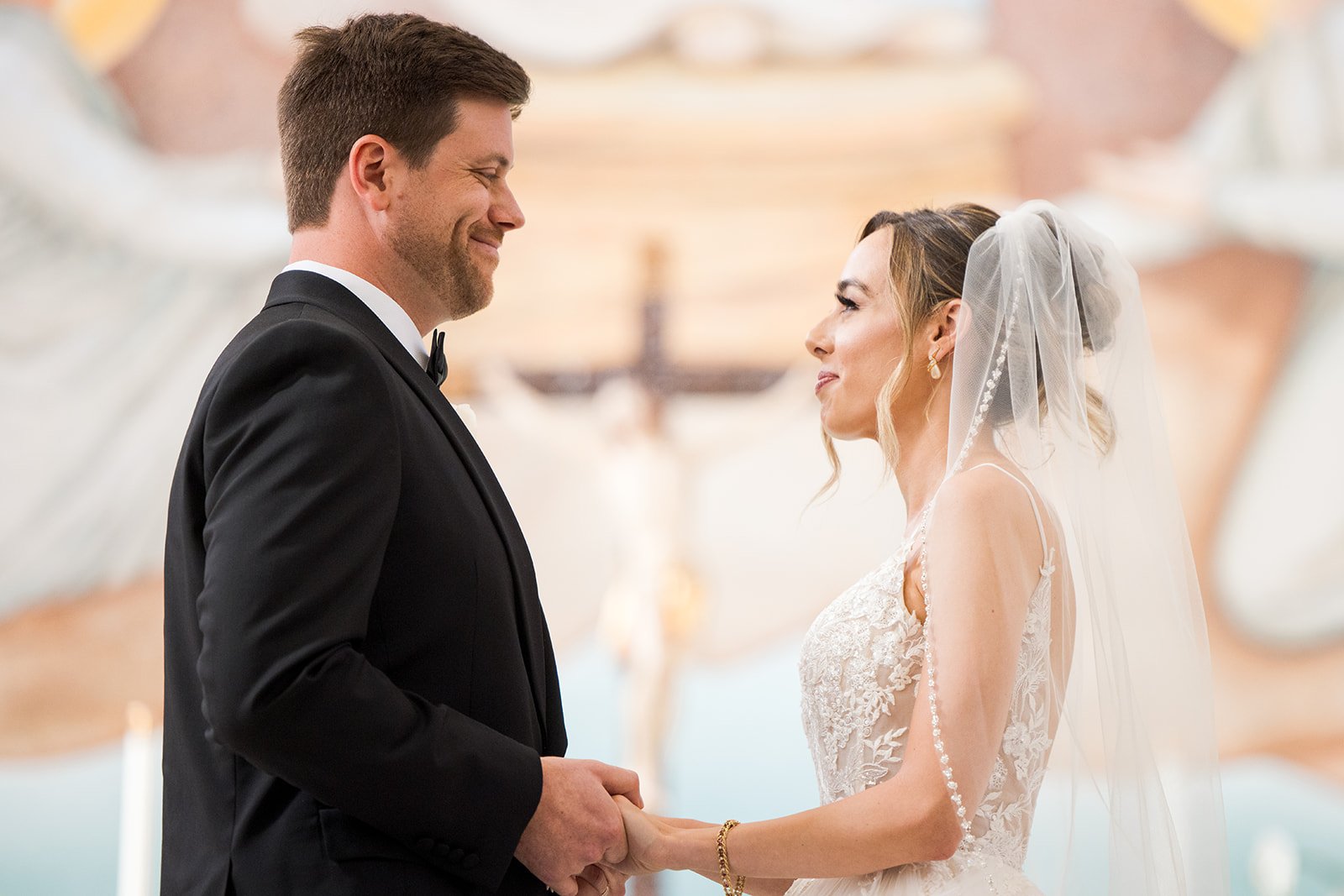
Those images often become favorites: a parent's face as a child reads, or the couple smiling at a line that holds a private joke. Planning a little ahead helps make sure those moments are captured.
Our View
Readings are one of the few parts of a ceremony where you can borrow the right words and give someone you love a role in your day. They are worth choosing with care. Start with the feeling you want, look widely for the words, keep it short, and choose readers who will deliver it with heart. Talk with your officiant early, and browse Bay Area officiants, photographers, and videographers on BayAreaWeddings.com to build a ceremony team that helps every moment land.
Browse Vendors