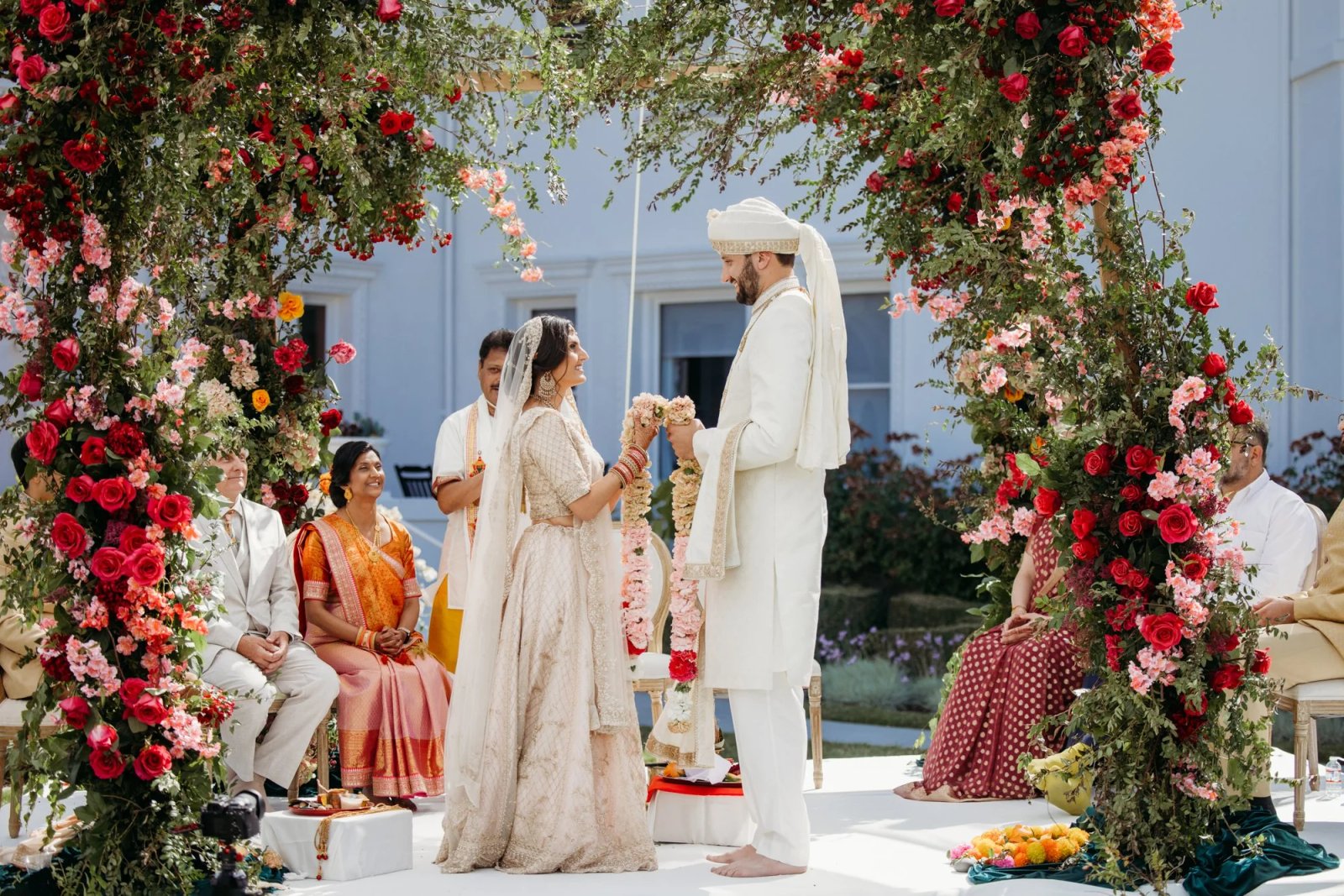
The Bay Area is famous for microclimates. That’s great for photos (hello, fog and dramatic skies), but it also means you can get a perfectly sunny forecast in the morning… and a full-on drizzle by cocktail hour.
If you’re planning an outdoor-forward wedding in San Francisco, the Peninsula, Marin, the East Bay, or Wine Country, a “rain plan” isn’t pessimistic. It’s basic logistics. The goal isn’t to eliminate weather risk; it’s to make the rainy version of your day feel just as intentional as the sunny version.
This guide walks through what actually works here: how to choose a venue with a real backup, what to ask vendors, what rentals matter (and which ones are optional), and how to make the day feel seamless if it rains.
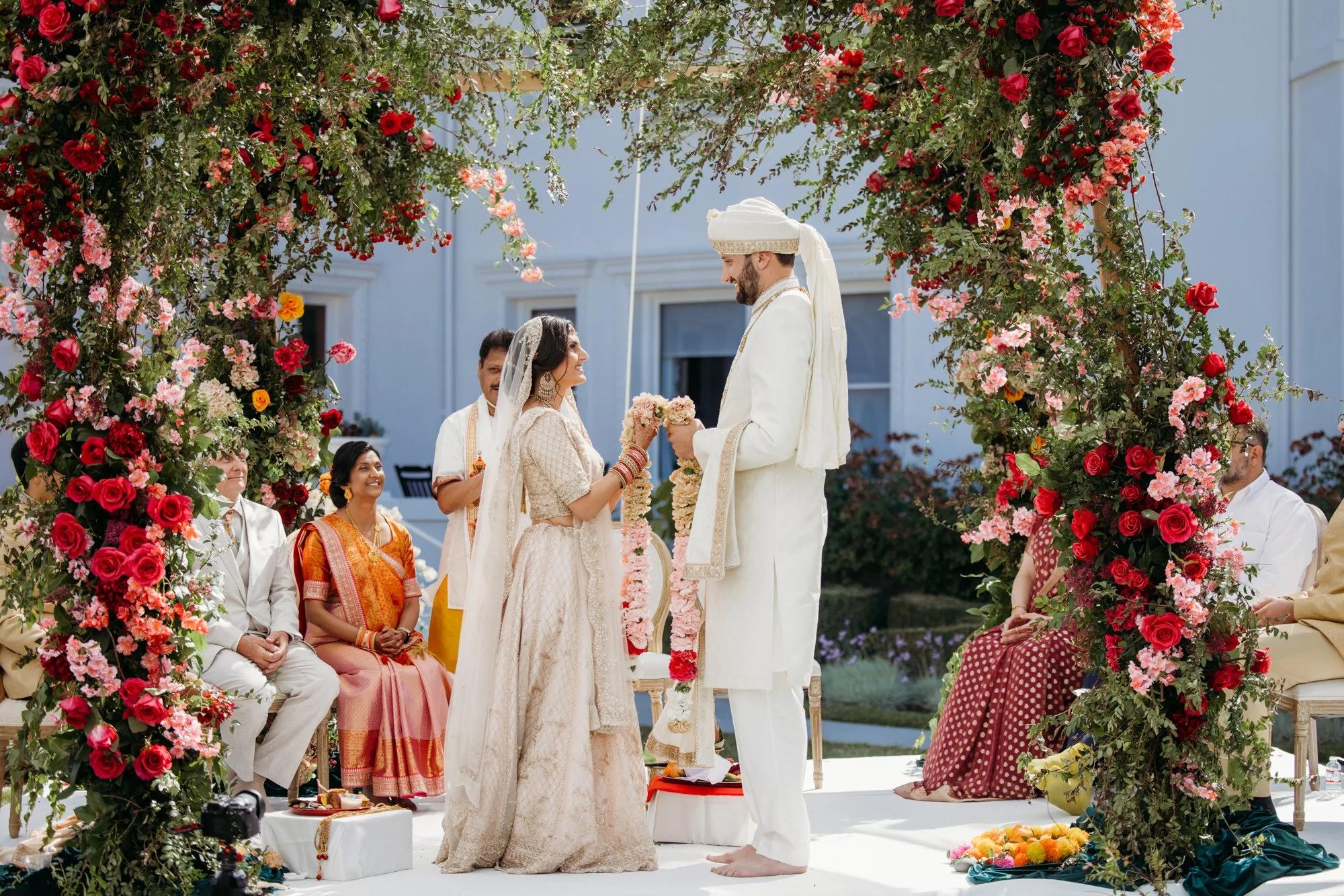
1) Know your odds (and what “rain” looks like here)
For most Bay Area wedding weekends, rain risk is seasonal rather than random.
San Francisco’s wetter stretch generally runs from fall into spring, and data sources describe that rainy period as roughly October into mid-May (with winter months peaking). On Weatherspark, February is the rainiest month by average rainfall, around 3.9 inches, and it averages about 8 wet days in the month.
Two practical takeaways:
- If your date falls between late fall and early spring, plan as if rain is possible even if you “usually get lucky.”
- Bay Area rain is often light-to-moderate (more drizzle than thunderstorm), but it can still create mud, slippery paths, and discomfort if your plan depends on guests standing outdoors.
2) Choose a venue where the rain plan feels like the main plan
The easiest rainy-day wedding is the one where you genuinely like the indoor (or covered) option.
When you tour venues, don’t just ask “Do you have an indoor backup?” Ask:
- Where exactly would the ceremony move?
- Can your guest count fit there without squeezing?
- Does the indoor option have good light (or at least attractive ambient light)?
- Is the indoor option included, or is there an extra fee?
- If the venue flips spaces, how long does it take and what happens to your timeline?
Bay Area examples of “built-in backup” venues
You don’t need a venue that’s fully indoors; you need a venue with enough flexible space that you’re not forced into a last-minute scramble.
- The Mountain Terrace (Woodside) highlights both outdoor and indoor spaces, and notes an inside dining room capacity of 120 seated and an outdoor lawn ceremony capacity up to 400 seated.
- Flood Mansion (San Francisco) offers multiple indoor spaces, with its main floor accommodating seated events for up to 165; it also has a courtyard that works when weather cooperates.
The point isn’t that every couple should choose these venues. It’s the pattern: venues with multiple usable spaces tend to handle weather pivots more gracefully.
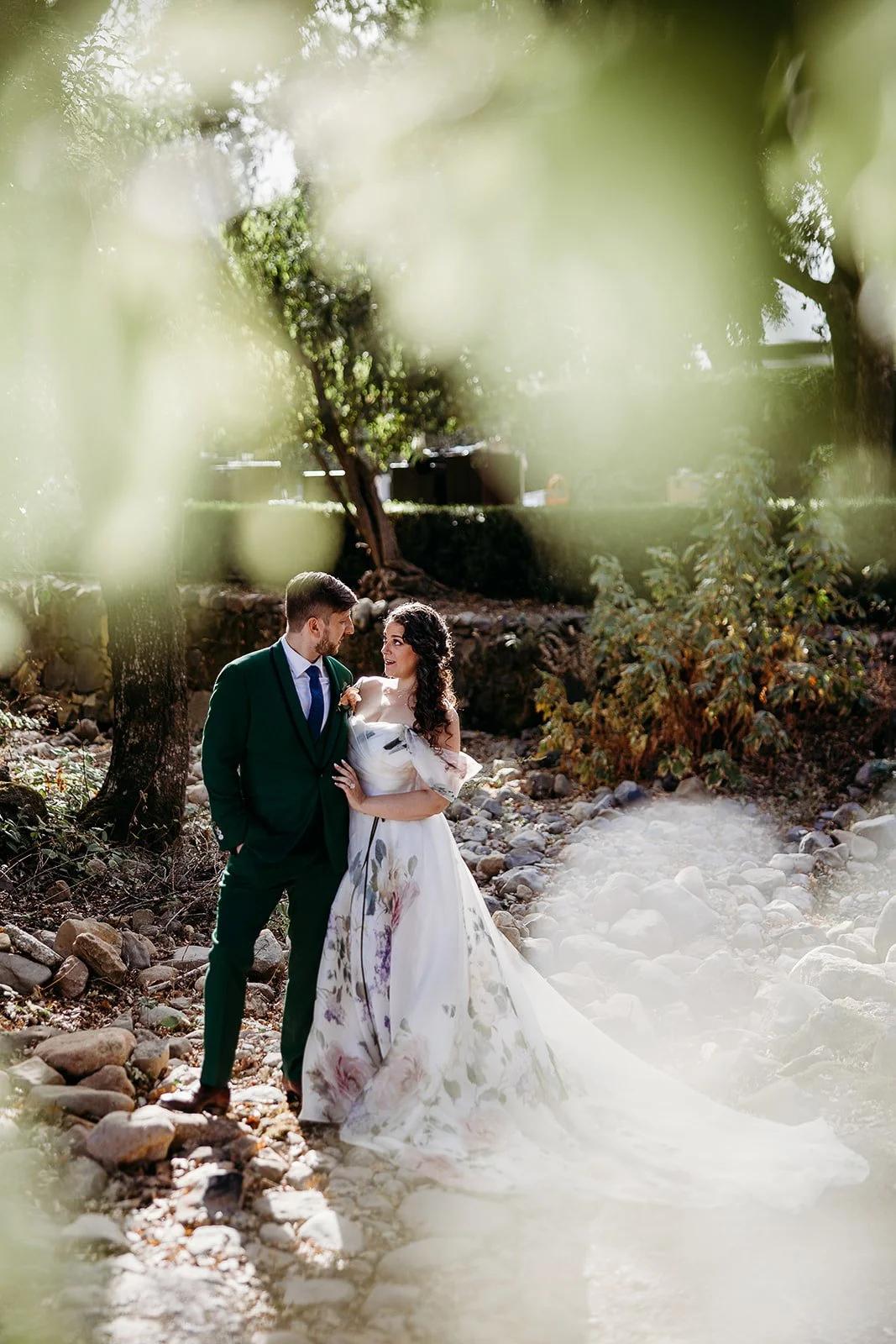
3) Make a “weather call” timeline and share it with vendors
A big source of stress is the vague plan: “We’ll decide later.”
Instead, choose a clear decision point and make sure your vendor team knows it.
A practical Bay Area approach:
- 10 days out: confirm your venue’s rain plan layout and whether any rentals need to be booked (or released).
- 5 days out: final check on tenting, flooring, heaters, and transportation timing.
- 48–72 hours out: lock the plan and communicate it to guests (especially if footwear, parking, or shuttles change).
- Wedding morning: confirm the final call only if conditions are truly uncertain.
Your planner/coordinator should run this communication, but even if you’re planning yourself, having a written call time prevents last-minute decision paralysis.
4) If you tent, plan for more than just the tent
A tent is only “rain protection” if your site conditions support it.
In many Bay Area spaces, the tent needs some combination of:
- Sidewalls (to block wind-driven rain)
- Flooring (to prevent mud and keep heels from sinking)
- Heaters (especially for coastal or redwood venues)
- Lighting (it gets darker earlier when skies are overcast)
Realistic heating costs
Heaters are one of the most common add-ons couples forget to budget for.
National wedding guidance sources often cite heater pricing around $200–$500 per unit (varies by size and provider). Locally, Bay Area rental companies list per-unit patio heater pricing such as $55 each (plus a propane tank add-on) or $90 each plus a fuel charge, depending on the vendor and model.
Tip: decide whether your goal is “warm enough for dinner” or “warm enough for dancing.” Heat needs go up fast when guests are standing still.
5) Plan guest movement (the part rain ruins first)
Rain rarely destroys the ceremony. It disrupts transitions.
Look at your timeline and identify every moment guests are expected to move:
- Parking to ceremony
- Ceremony to cocktail hour
- Cocktail hour to dinner
- Dinner to dancing
- Restrooms
Then answer these questions:
- Are there covered walkways? If not, can you create a covered route with umbrellas and signage?
- Do you need extra mats or runners on grass, gravel, or stairs?
- Where will guests wait if shuttles arrive early?
Practical guest-comfort kit (that doesn’t feel cheesy)
- A few large golf umbrellas for the couple and family portraits
- An umbrella basket near the entrance for guest use
- Towels at entry points (especially if you have indoor historic floors)
- Blanket/wrap station if your venue runs cold
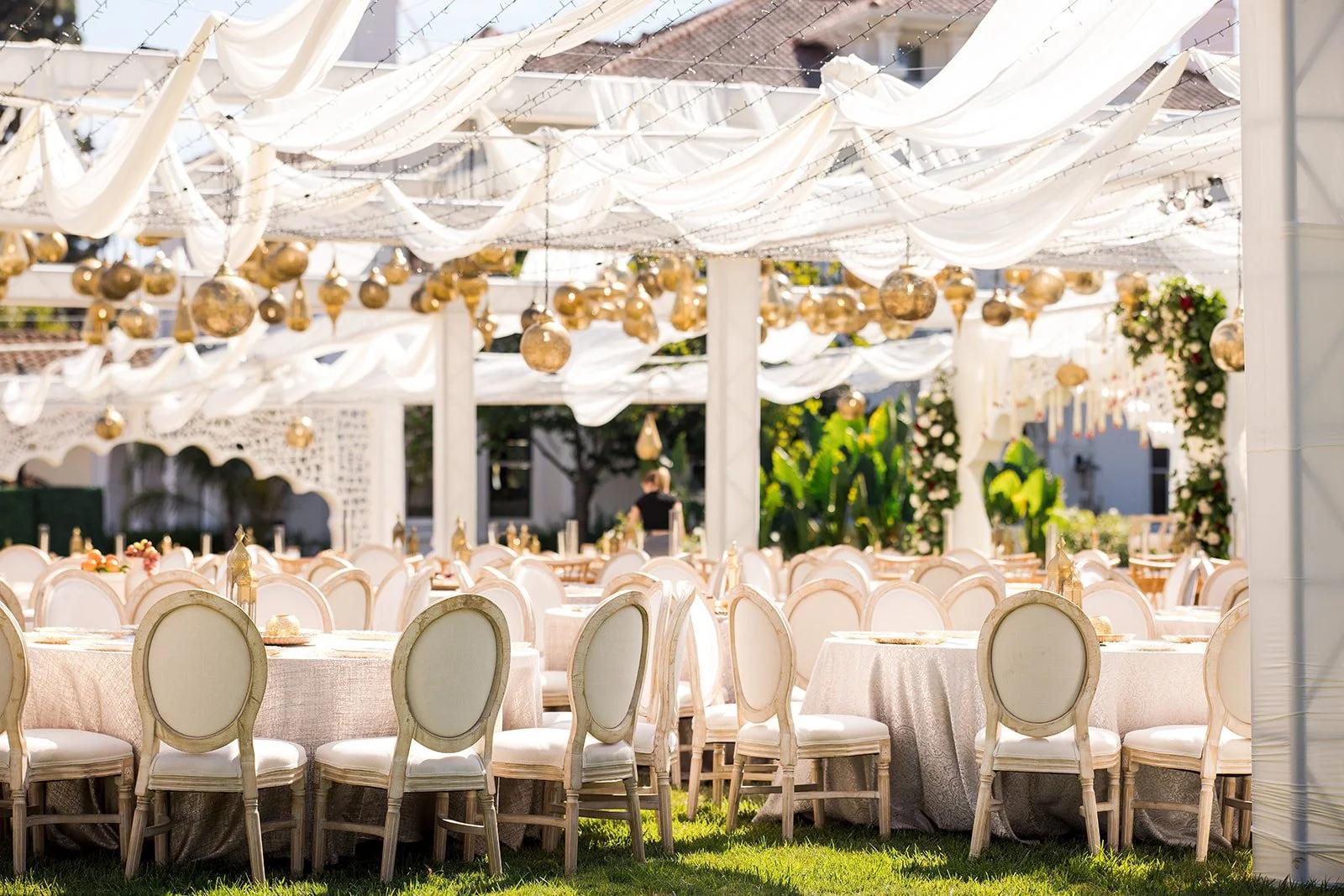
6) Adjust the photo plan (don’t just hope it works out)
Rain can be incredible for photos if you plan around it.
A photographer can work in almost any weather, but they need:
- A dry staging area for gear
- A quick list of indoor portrait options (staircase, covered porch, big windows, lobby)
- A timeline that doesn’t require 45 minutes of outdoor golden-hour portraits to feel “complete”
A simple fix: build in 10–15 minute “micro-sessions” throughout the day. If the drizzle stops briefly, you can step outside for a short set without risking the whole schedule.
7) Food, music, and rentals: what changes when it rains
Catering
Ask your caterer:
- Can you serve appetizers indoors without bottlenecks?
- If dinner was planned outside, can the kitchen handle an indoor pivot without delays?
DJ / Band
If entertainment is outside, confirm:
- Where equipment moves if it rains
- How power is protected
- Whether a covered performance area is required
Rentals
Rain adds “invisible” items that make everything feel polished:
- Extra cocktail tables so guests can gather indoors without crowding
- More lounge seating (indoor spaces get tighter when everyone comes inside)
- Additional lighting to keep indoor photos warm and flattering
8) Permits and policies: read the fine print early
If you’re adding a tent, heaters, or changing layouts, don’t assume it’s “just rentals.”
Some locations (especially in Wine Country) may have rules around noise, generator use, or tent installation that touch local permitting.
For example, Sonoma County publishes fee schedules for permit and services fees with effective date ranges (and they change over time). You don’t need to memorize fees, but you do want your venue or planner to confirm what’s required for your site.
9) How to tell guests (without making it a big dramatic thing)
Guest communication is the easiest way to protect the vibe.
A calm, useful message (website + text the week of) should include:
- Where to enter if the ceremony moves indoors
- Footwear guidance (especially for grass, vineyards, or stair-heavy venues)
- Shuttle timing if guests won’t want to wait outside
Keep it short. Guests don’t need the whole decision tree; they need directions.
10) The mindset shift that makes rain feel manageable
A “rainy day wedding” doesn’t have to look like a compromise.
If you:
- Choose a venue where the indoor option is truly beautiful
- Set a decision timeline
- Budget for comfort items (heaters, mats, lighting)
- Plan guest movement, not just the ceremony
…then rain becomes a design constraint, not a disaster.
And when your plan is solid, you can actually enjoy the best part of Bay Area weather: those moody skies, soft light, and the cozy energy that happens when everyone gathers in close.
Browse Vendors