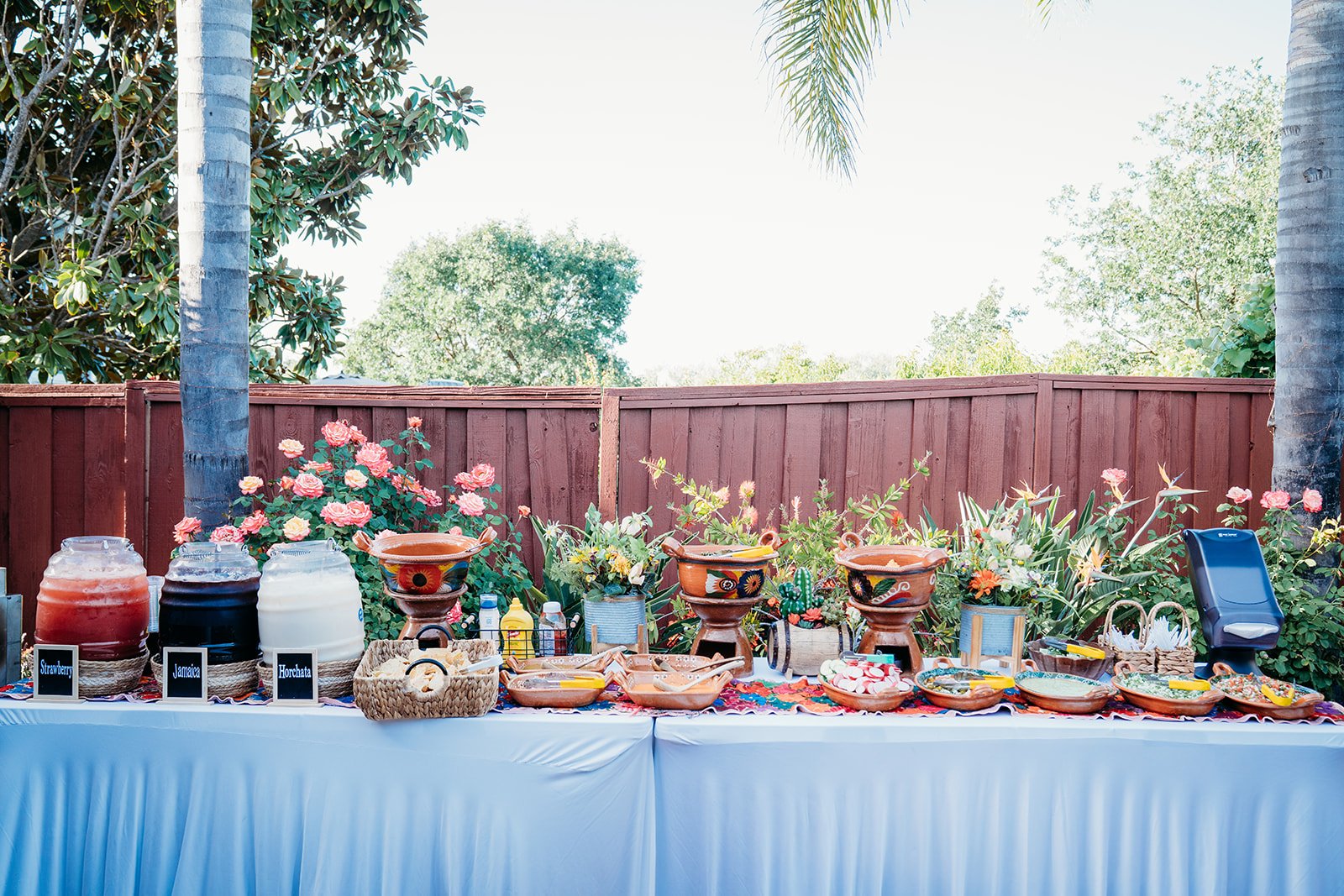
The Bay Area has one of the most diverse wedding food scenes in the country: Michelin-adjacent farm-to-table menus in Sonoma, Indonesian and Filipino caterers in the South Bay, and food trucks that can turn a laid-back reception into the best party of the weekend.
The tricky part is that "catering" can mean very different things here—anything from a restaurant drop-off to a full production team that brings a kitchen, staffing, rentals, and bar service.
This guide walks through the major catering styles you’ll see in the Bay Area, what they tend to cost in 2026, and the practical questions that help you compare proposals without getting surprised later.
What "wedding catering" usually includes in the Bay Area
Before you compare per-person prices, make sure you’re comparing the same scope. Bay Area caterers typically fall into three buckets:
1) Drop-off or restaurant delivery (least expensive, least coverage)
Best for: casual welcome parties, backyard micro-weddings, weekday ceremonies.
Usually includes:
- Food only (sometimes disposable plates/napkins)
Often does NOT include:
- Servers, bussers, bartenders
- Rentals (china, glassware, flatware, linens)
- Setup/breakdown, trash haul-away
2) Full-service catering (the most common for traditional receptions)
Best for: venue receptions with 75–200+ guests.
Usually includes:
- Food + staffing (chef team, servers, bussers)
- Basic coordination with your venue on timing
- Often: rentals coordination, or at least guidance on what you need
May be separate line items:
- Rentals (tables/chairs, china, glassware, linens)
- Gratuity/service charge
- Kitchen equipment fees (especially in wineries/estates with limited kitchens)
3) In-house catering (common at hotels, clubs, and some venues)
Best for: couples who want fewer vendors and a smoother planning process.
Usually includes:
- A bundled package (food + staffing, sometimes bar + rentals)
Watch for:
- Food-and-beverage minimums and service charges
- Corkage and specialty bar pricing
What catering costs in 2026 (realistic Bay Area ranges)
Bay Area pricing is driven by labor costs, venue rules, and logistics (especially for wineries/estates). For 2026, a realistic starting range for many Bay Area weddings is roughly $85–$175+ per person depending on service style and whether beverage is included.
A helpful way to plan is to estimate in layers:
Food only
- Buffet/family-style tends to land lower than plated
- Specialty cuisines (Paella, BBQ, Indian, Filipino) vary widely based on menu and staffing
Service + staffing
Expect staffing to add meaningful cost, especially for plated dinners and long events.
Rentals
If your venue doesn’t provide tables/chairs/china, rentals can move your catering line by thousands.
Beverage
Alcohol and beverage service frequently adds another $50–$100+ per person when you include bartenders, mixers, glassware, and service.
Wine country note (Napa/Sonoma)
Many planners cite a starting point around $175 per person for full-service catering in Napa/Sonoma once you factor in food, service, and the kitchen equipment a caterer needs to operate at a winery or private estate.
Picking the right style: farm-to-table, restaurant catering, or food trucks
There’s no universal "best" catering—there’s only what fits your guest experience, venue restrictions, and budget.
Farm-to-table and seasonal catering (the classic wine-country vibe)
If you’re getting married in Sonoma, Napa, or coastal Marin, farm-to-table catering is often the vibe: seasonal California produce, local proteins, and menus that feel like a great dinner party.
What it’s great at:
- Elevated guest experience (especially family-style)
- Strong dietary accommodation (vegetarian/vegan/gluten-free done thoughtfully)
- Beautiful presentation for cocktail hour and stations
Common cost drivers:
- More staffing for passed appetizers and plated service
- Rentals for a polished look (especially if your venue is a blank slate)
- Kitchen build-out fees if the site doesn’t have a commercial kitchen
Practical tip:
If you love a farm-to-table menu but want to keep costs in check, consider family-style mains with a plated salad course (or the reverse). You get the "restaurant" feeling without fully committing to a high-labor plated dinner.
Restaurant and specialty-cuisine catering (often the best value)
The Bay Area is loaded with restaurants that cater weddings—some with full staffing, some as drop-off. This is where you’ll find standout regional specialties (think: paella, dim sum-inspired cocktail hours, Filipino lechon stations, or South Indian vegetarian feasts).
What it’s great at:
- Bold flavors and cultural authenticity
- Often lower food costs than traditional wedding caterers
- Great for rehearsal dinners and welcome parties
Watch for these gotchas:
- Who handles rentals and staffing?
- Can they support your venue’s load-in rules and timing?
- Is a tasting included, and is it credited back if you book?
Shortcut for comparing proposals:
Ask every restaurant caterer to quote the same three scenarios:
- Cocktail hour bites + buffet dinner (food only)
- Cocktail hour + buffet with full staffing
- Cocktail hour + family-style or plated (if offered)
This makes it easier to compare "apples to apples" against full-service catering quotes.
Food trucks (fun, flexible, but not always the cheapest)
Food trucks can be fantastic in the right setting—especially for casual venues, outdoor receptions, and after-party vibes. But they’re not automatically a bargain.
Typical pricing:
- Many industry guides put food-truck catering in the roughly $10–$35 per person range, often food-only.
- Some catering marketplaces cite $20–$40 per person as a common bracket.
Where food trucks shine:
- Late-night snacks (tacos, grilled cheese, boba, churros)
- Casual receptions with lots of mingling
- Venues with easy truck access and open outdoor space
Where couples get surprised:
- Minimums: trucks often require a guaranteed minimum spend
- Service speed: one truck can create long lines for 120+ guests
- Staffing: you may still need separate staff for bussing, trash, water stations, and cake cutting
- Rentals: you still need tables, chairs, and dinnerware unless you go fully casual
If you want the truck vibe with fewer lines:
- Hire two trucks with complementary menus, or
- Use a truck for a single "moment" (cocktail hour or late-night)
How to evaluate caterers (questions that prevent budget surprises)
Bring these questions to tastings and proposal reviews:
Logistics and venue rules
- Have you worked at our venue before?
- Do you need a prep kitchen, and what equipment do you bring?
- What time can your team load in, and what time do you need to be out?
Staffing and service
- How many servers/bussers/bartenders are included for our guest count?
- Is a service charge or gratuity included? If not, what should we budget?
- Who is the on-site captain, and will they be there the whole event?
Rentals and extras
- Does your quote include rentals? If not, can you provide a recommended rental list?
- Are linens, china, glassware, and flatware included?
- What is your cake-cutting fee (if any)?
Dietary needs
- How do you handle allergies (nuts, shellfish) and cross-contamination?
- Can you label food at stations, and do you provide a vegan/gluten-free entree option?
The tasting and planning process
- What’s included in the tasting, and is there a tasting fee?
- When do final headcount and menu selections need to be confirmed?
- What is your cancellation and change policy?
A simple way to build your catering budget (without overthinking it)
If you want a realistic starting framework for Bay Area weddings in 2026:
1) Pick your service style
- Drop-off / casual
- Full-service buffet or family-style
- Plated dinner
2) Add beverage the honest way
Decide if you’re doing:
- Beer/wine only
- Full bar
- Specialty cocktails
3) Add rentals if your venue is a blank slate
Even if your caterer isn’t providing rentals, you should budget them alongside catering because they’re tied to your meal service.
4) Add a buffer for upgrades
Most couples upgrade something after the tasting: an extra passed bite, a better steak, a second bar, espresso service, or late-night snacks.
The Bay Area-specific "best move": match your caterer to your venue
A great caterer is part chef, part operations team. In the Bay Area, venue constraints can matter as much as the menu.
- If you’re at a winery or estate: prioritize teams experienced with off-site kitchens and strict timing.
- If you’re at a hotel or club: understand package tiers and minimums early.
- If you’re at a city venue in SF: ask about loading docks, elevator access, and parking for staff.
- If you’re outdoors (coast, redwoods, ranch): ask about power needs, wind plans, and food safety for heat.
Final thoughts
Your guests will remember how they felt at your wedding—welcome, well-fed, and cared for. The "right" caterer is the one whose food you love and whose logistics make your day run smoothly.
If you’re currently comparing proposals, ask each caterer to re-quote using the same guest count, the same service style, and the same rental assumptions. That one step alone usually turns a confusing spreadsheet into a clear decision.
Browse Vendors