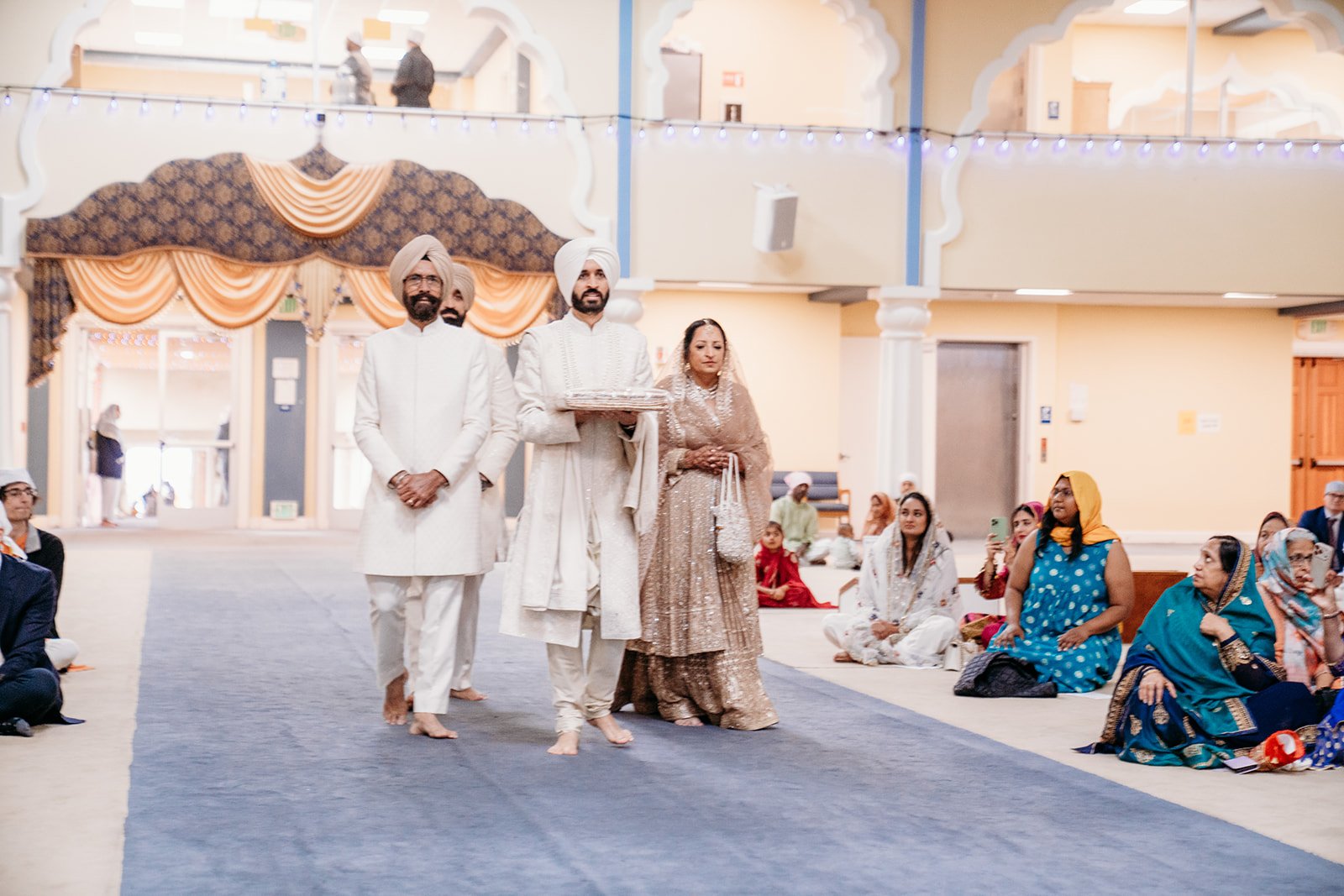
Planning a multicultural wedding in the Bay Area is one of those projects that sounds beautiful in theory (two families, two sets of traditions, endless food possibilities) and then suddenly turns into: “Wait, does the venue allow open flame?” “How many outfit changes is realistic?” “Can we do a tea ceremony during cocktail hour?”
The good news: the Bay Area is one of the easiest places in the country to pull this off well. The hard part is translating your specific traditions into a plan that vendors, venues, and guests can actually follow.
This guide is for couples blending cultures (and/or faiths) who want a wedding that feels intentional, not like two events awkwardly glued together.
Start with the non-negotiables (and name the “nice-to-haves”)
Before you talk venues or timelines, you and your partner need a clear list of what matters most.
A helpful way to structure it:
- Non-negotiables: rituals, people, foods, or moments that must happen for the day to feel “right.”
- Nice-to-haves: traditions you love, but could shorten, move, or skip if needed.
- Hard no’s: things you want to avoid (for budget, comfort, or family dynamics).
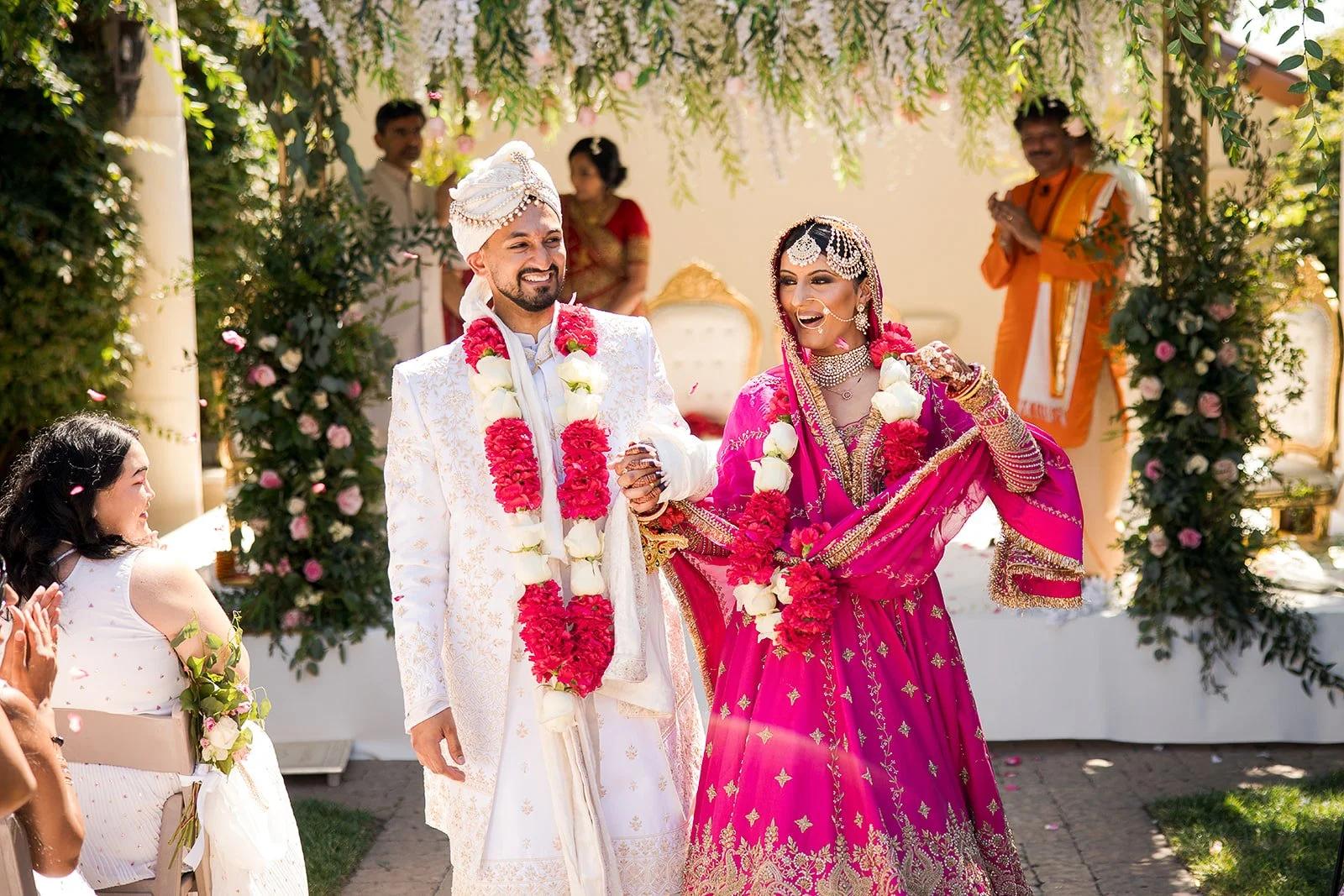
Write these down separately, then merge into one shared list. It’s a small step that prevents big conflicts later—especially when you’re getting input from multiple relatives.
Choose a flexible venue first, then build the traditions around it
In a multicultural wedding, your venue is more than a backdrop—it’s a rulebook.
When you’re touring spaces, ask about the policies that tend to collide with cultural traditions:
Questions that matter more than the Pinterest stuff
- Outside catering: Can you bring your own caterer, or are you limited to a list? If you need specialty cuisine (South Asian, Persian, kosher, halal, etc.), confirm early.
- Open flame / smoke: If you’re doing a havan, tea ceremony incense, or candle-heavy rituals, ask what’s allowed.
- Sound + timing: Some traditions (baraat, drumming, multiple entrances) need volume and time.
- Multiple set-ups: Can the venue flip the space quickly between ceremonies? Do you have access earlier in the day?
- Alcohol rules: Can you bring your own? Do they require licensed bartenders?
A practical Bay Area example: many Oakland venues allow third-party catering but require approval or a buyout fee, so it’s worth asking about that upfront rather than after you’ve signed.
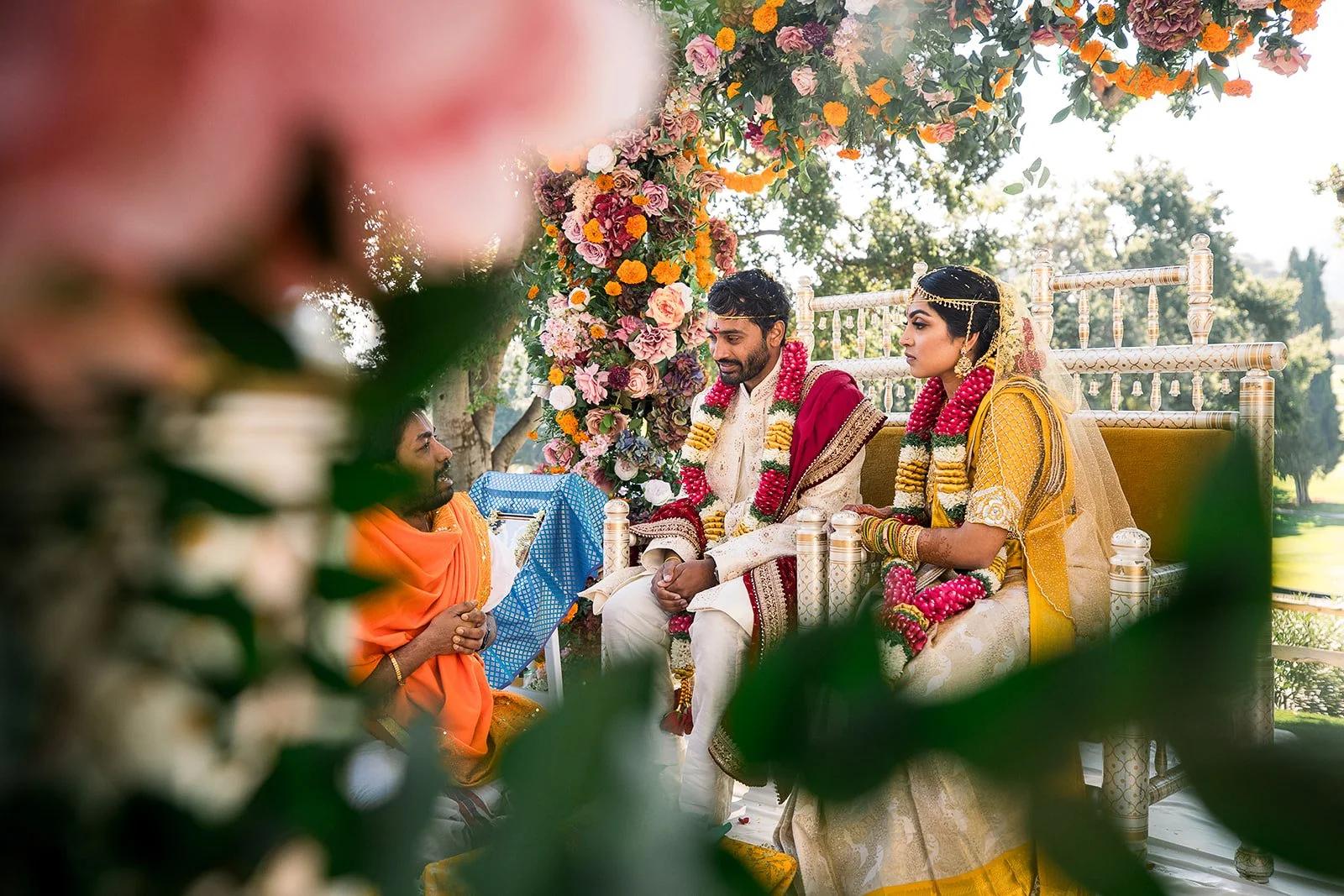
Build a “blended timeline” with real buffer time
Multicultural weddings often run long because they contain more meaningful moments—multiple ceremonies, outfit changes, family photos with a big guest list, and traditions that can’t be rushed.
Instead of forcing everything into a standard Western timeline, design the day around these realities.
Common timeline patterns that work in the Bay Area
Option A: Two ceremonies, one reception (same day). Morning: first ceremony + family brunch/lunch. Midday: break + outfit change + couple portraits. Late afternoon: second ceremony. Evening: reception.
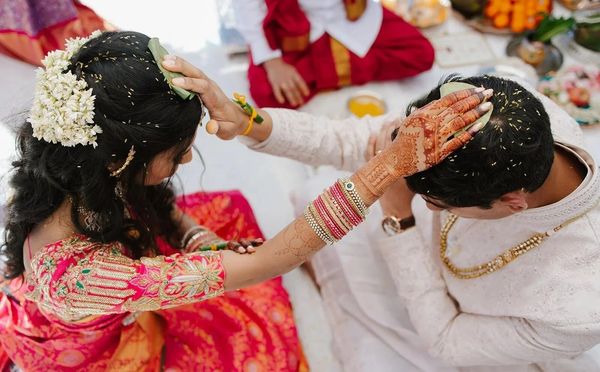
Option B: Cultural ceremony the day before. This is popular with South Asian weddings (Sangeet/Garba one night, wedding the next), but it works just as well for a smaller family ceremony (ketubah signing, tea ceremony, sofreh, etc.).
Option C: Short cultural ritual during cocktail hour. A tea ceremony can be integrated during cocktail hour if you keep it tight and plan the layout, but many couples prefer doing it at home or a hotel suite earlier to keep the reception flowing.
Build in buffers for three things
- Outfit changes: everything takes longer than you think, especially with hair, jewelry, and family photos.
- Transportation: Bay Area traffic and parking can derail a tight plan.
- Family arrivals: elders, kids, and large family groups need more time to move.
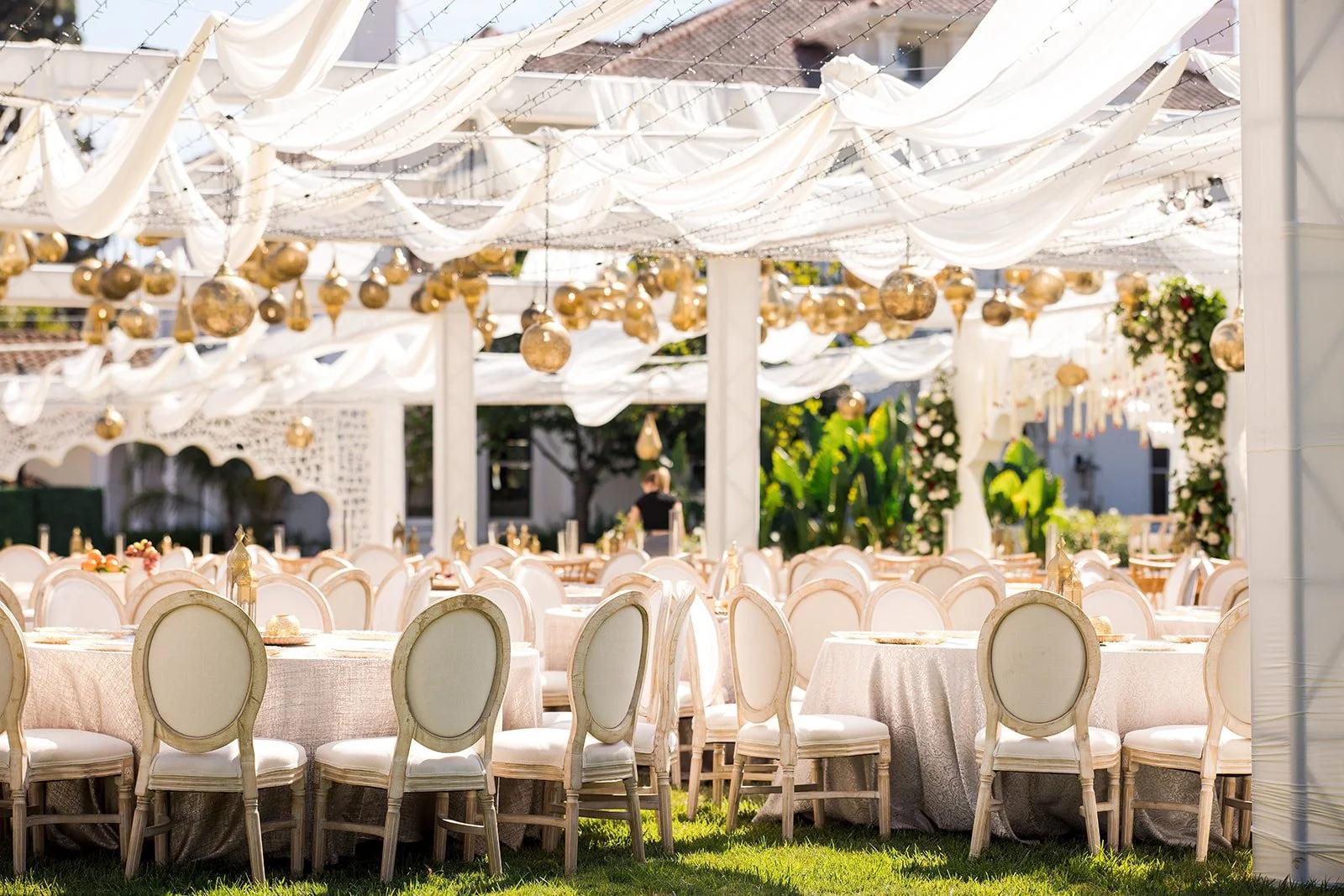
Food is where cultures can blend beautifully (and logistically)
Food is often the biggest “bridge” between families—and also one of the biggest budget lines.
A great approach is to treat your menu like a curated experience rather than trying to represent every dish from every background.
Bay Area-specific ideas couples love
- Dual-cuisine cocktail hour: passed bites from both cultures (think: samosas + dumplings, mezze + sliders).
- One cuisine for dinner, the other for late-night: easier for catering logistics and crowd-pleasing.
- Dessert table with multiple traditions: classic cake plus cultural sweets.
If you’re considering a Chinese banquet-style reception, it’s helpful to know that many Bay Area banquet halls price by the table of ten, with published ranges commonly around the mid-hundreds to low-thousands depending on menu level.
Communicate traditions to vendors like you’re briefing a film crew
Most vendor mistakes in multicultural weddings aren’t about disrespect—they’re about not knowing what’s about to happen.
Your job is to translate traditions into clear, actionable instructions.
What to send every major vendor
- A one-page “traditions cheat sheet” (ritual name, what happens, who participates, and why it matters)
- A timeline with bolded “do not move” moments
- Key family names + relationships (especially for ceremonies with elders)
This is especially important for photography and video. Your team should know when a baraat starts, where the tea ceremony will happen, and which family members need coverage.
Set expectations with families early (and kindly)
Multicultural weddings often come with two sets of expectations—and sometimes two sets of anxieties.
A few ways to keep things calm:
- Hold a “traditions meeting” (in person or Zoom) with immediate family on both sides.
- Explain what’s happening and when with a short schedule, not a 10-page doc.
- Name the purpose of each ritual for guests who haven’t seen it before.
Consider printing a small ceremony program or adding a “What to expect” card on your wedding website. In a place as diverse as the Bay Area, guests usually appreciate the context.
Budget for the things multicultural weddings uniquely require
Even if you’re keeping the guest count modest, multicultural weddings can have extra line items.
Common budget surprises:
- Additional ceremony décor (mandap, sofreh, chuppah, etc.)
- More hours for photo/video (because the day is longer)
- Specialty rentals (floor seating, ceremonial chairs, extra lounge areas)
- Hair/makeup timing (especially with outfit changes)
If you’re choosing a venue primarily for flexibility, community centers and cultural banquet halls can be cost-effective, but you may need to budget more for rentals and “bringing the vibe.”
A simple planning checklist you can actually use
Here’s a practical order of operations:
- Define non-negotiables with your partner
- Confirm guest count range (even a rough estimate helps venues)
- Shortlist venue types (hotel ballroom, estate, community hall, banquet hall, restaurant buyout)
- Ask venue policy questions early (outside catering, alcohol, open flame, noise)
- Book a planner or coordinator if your day includes multiple ceremonies
- Draft a blended timeline before you book photo/video hours
- Build a vendor briefing packet so everyone is aligned
- Communicate to guests with a program or website “what to expect”
The Bay Area advantage: your wedding can be both traditional and personal
The best multicultural weddings don’t try to satisfy every expectation equally—they focus on creating a day that feels grounded, welcoming, and clear.
If you do three things well—choose a flexible venue, build a realistic timeline, and brief your vendors like pros—you’ll give both families what they want most: a celebration that feels seamless, not stressful.
Browse Vendors