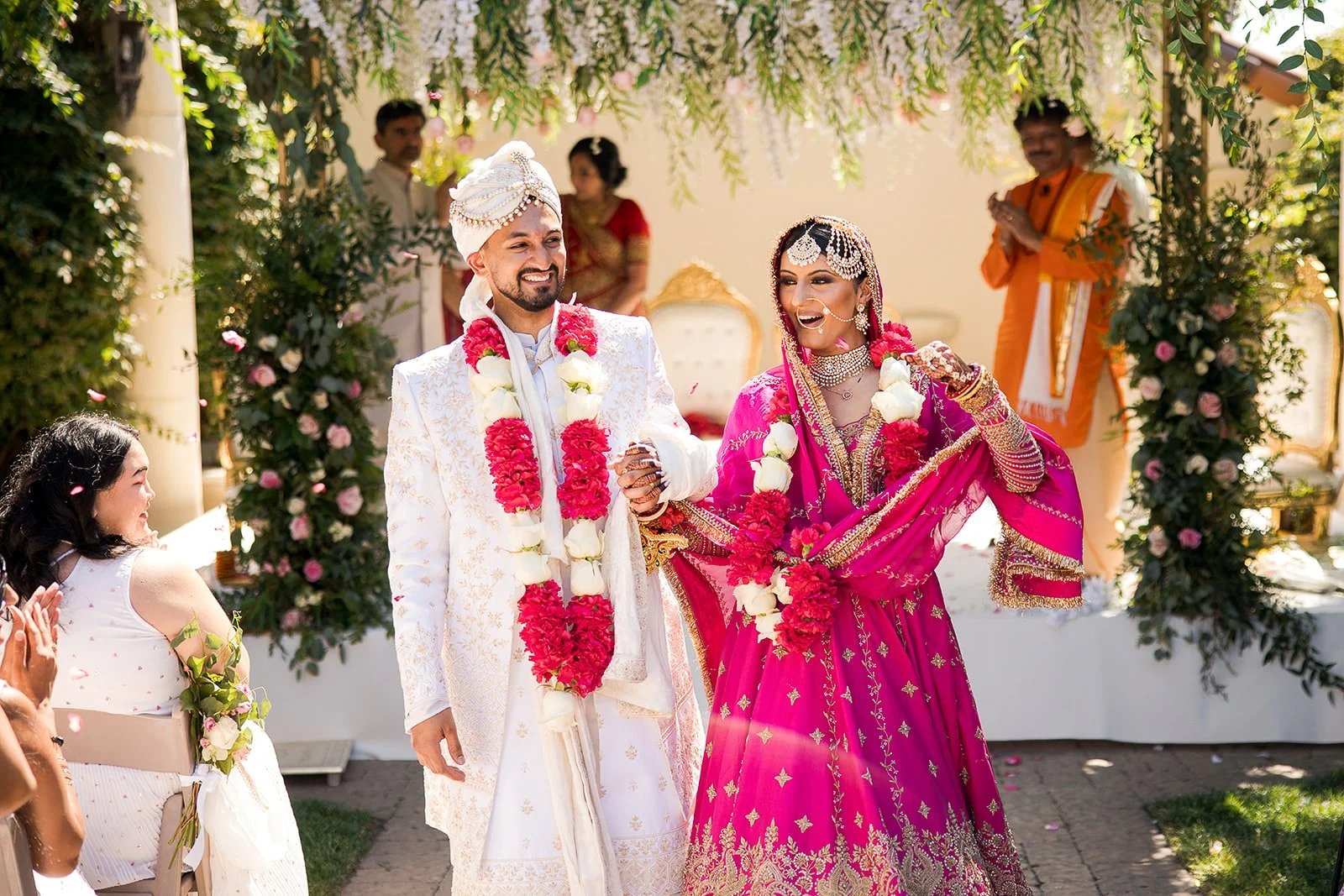
If you have 6 months (or less) to plan a Bay Area wedding, you’re not behind—you’re just working with different constraints.
The biggest shift is this: instead of designing the perfect day and then finding the vendors, you’ll do better by locking the date and venue first, then building everything else around what’s actually available.
This guide is the approach I’ve seen work consistently in the Bay Area: a short, focused timeline, a realistic vendor priority list, and a few local venue types that are often easier to book without a year-plus lead time.
Every venue’s policies, pricing, and packages can change. Always confirm current terms with the venue’s events team.
The 6-month reality check (Bay Area edition)
Six months is enough time, but only if you’re willing to be flexible on at least one of these:
- Day of week (Friday/Sunday can be much easier than Saturday)
- Season (winter and early spring usually open up options)
- Guest count (smaller guest lists unlock more venues and restaurants)
- Format (ceremony + dinner vs. ceremony + full reception)
In the Bay Area, the most common bottlenecks are venue availability and photographer/catering calendars. Everything else can move quickly once the big pieces are secured.
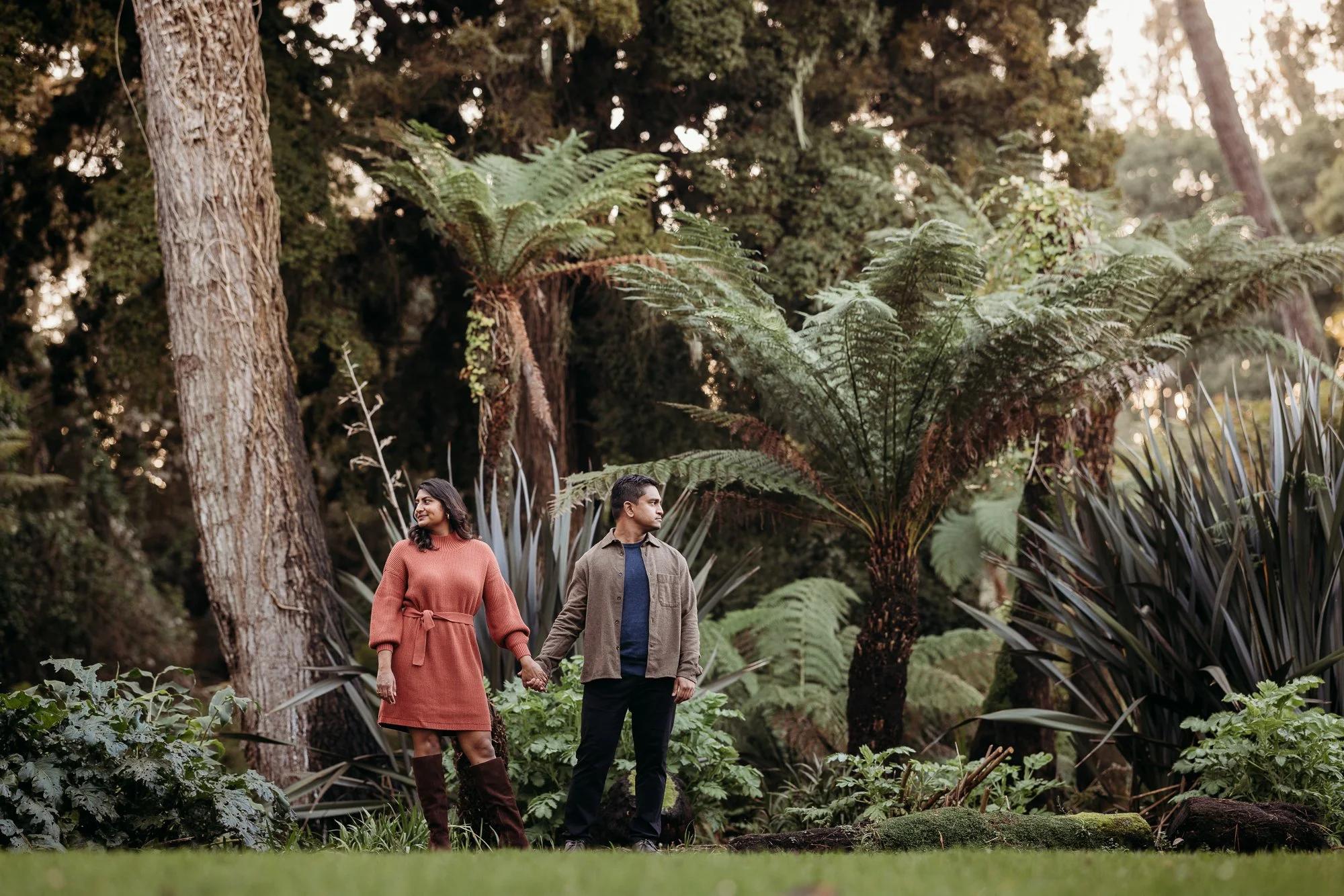
Step 1 (Week 1): Decide the 3 things you will not compromise on
Short timelines are easier when you reduce decision fatigue. Pick your top three priorities early. Examples:
- Must be in San Francisco, the Peninsula, the East Bay, or Wine Country
- Must be outdoors (or must have an indoor Plan B you actually like)
- Must be fully accessible for older relatives
- Must allow outside catering (or must have in-house food)
- Must stay under a target total budget
Everything else becomes nice to have.
Step 2 (Week 1–2): Choose a date strategy that increases availability
If you’re aiming for under 6 months, the one perfect Saturday approach often stalls planning. Instead, try one of these:
Strategy A: Pick 2–3 acceptable dates
Send vendors a small range (for example: two Fridays and one Sunday). It’s the fastest way to find overlap between venue, photographer, and catering.
Strategy B: Choose a venue first, then take their best open dates
Some venues can tell you immediately what’s open within your window, which turns the date decision into a quick yes/no.
Strategy C: Consider weekday ceremonies
If you’re doing a ceremony-and-dinner style wedding (especially under about 60 guests), a weekday can unlock restaurant buyouts and city spaces that would be impossible on peak weekends.
Step 3 (Week 2–4): Book a venue that works with a short lead time
For quick planning, venues generally fall into three fast categories:
- City or civic venues (simple rules, built-in beauty)
- Community halls or cultural spaces (good value, flexible vendors)
- Restaurants (food is handled, fewer vendor pieces)
Here are a few real Bay Area options to explore:
San Francisco City Hall (San Francisco)
City Hall is iconic, logistically straightforward, and works especially well for small ceremonies.
SF.gov’s Pride wedding event listing notes ceremonies for the couple and up to 6 guests and shows a $111 fee on that page (confirm current pricing and guest rules for standard bookings).
Source: https://www.sf.gov/event-20260626-pride-wedding-event
Best for: ceremonies + portraits + a separate dinner reception
Piedmont Community Hall (Piedmont / East Bay)
A flexible community-hall option with a large max capacity.
Breezit’s listing notes up to 320 guests and that outside catering is required.
Source: https://breezit.com/piedmont-community-hall
Best for: larger guest counts, couples who want vendor flexibility
Conservatory of Flowers (Golden Gate Park, San Francisco)
A statement venue inside Golden Gate Park.
Breezit’s page includes a pricing guide (last updated June 2026) and lists a cost range around $19k–$21k (always confirm current buyout pricing and what’s included).
Source: https://breezit.com/conservatory-of-flowers
Best for: ceremony + reception with major wow factor

Sebastiani Vineyards & Winery (Sonoma)
A classic Sonoma option with indoor/outdoor flexibility.
Here Comes The Guide lists capacities including receptions up to 150 seated, and ceremonies up to 150 outdoors.
Source: https://www.herecomestheguide.com/wedding-venues/northern-california/sebastiani-vineyards-winery
Best for: wine country feel without needing a huge guest list
Foreign Cinema (Mission District, San Francisco)
A Bay Area favorite for couples who want a food-forward celebration.
Foreign Cinema’s OpenTable listing mentions private dining spaces for up to 350 guests and provides the private events contact (confirm buyout minimums, fees, and timing).
Source: https://www.opentable.com/r/foreign-cinema-san-francisco
Best for: ceremony + dinner + party formats
Step 4 (Week 2–5): Book vendors in the right order
With limited time, this order prevents bottlenecks:
- Venue
- Planner or day-of coordinator (if you’re using one)
- Photographer
- Catering (if not included) + bar
- Hair + makeup
- Florist
- Rentals (if needed)
- DJ/band
A note on coordination
If you’re planning quickly, a day-of coordinator (or month-of) becomes even more valuable because they can:
- Sanity-check your timeline
- Confirm vendor arrival windows
- Handle the rain-plan pivot
- Run rehearsal logistics when you don’t have time for multiple walkthroughs
Step 5 (Month 2–4): Build a simplified, realistic guest experience
One of the fastest ways to reduce stress is to simplify the number of locations and transitions.
Consider:
- Ceremony + reception at the same site
- Or: ceremony at City Hall, then a restaurant reception within 10–15 minutes
Try to minimize long transportation gaps, multiple outfit changes, and complicated ceremony setups that require extra rentals.
Step 6 (Month 3–5): Permits, rules, and the small details that derail timelines
Short timelines fail on small details, not big ones. Add these to your checklist early:
- Parking plan (especially in San Francisco)
- Noise rules / end times
- Vendor insurance requirements
- Load-in/load-out windows
- Rental delivery constraints
- A rain plan that doesn’t require last-minute rentals
If you’re doing portraits in public spaces (parks, beaches), ask your photographer if any permits or location rules apply and plan for crowds.
A sample 6-month Bay Area planning timeline
Month 1
- Lock venue + date
- Book photographer
- Book coordinator
- Start guest list + collect addresses
Month 2
- Book catering/bar (if needed)
- Book hair + makeup
- Book florist
- Start attire shopping
Month 3
- Finalize ceremony plan
- Book rentals (if needed)
- Book entertainment
- Confirm hotel blocks (if relevant)
Month 4
- Send invitations
- Confirm transportation (if needed)
- Draft day-of timeline
Month 5
- Finalize menu + rentals
- Confirm vendor insurance + load-in rules
- Plan rehearsal details
Month 6
- Final payments
- Final headcount
- Confirm timeline with all vendors
- Pack an emergency kit and enjoy the week
The bottom line
A Bay Area wedding in under six months is absolutely doable. The key is to pick a venue type that matches the timeline (city/civic spaces, community halls, or restaurants), keep decisions tight, and focus on guest experience over perfection.
If you’re stuck, the fastest unstuck move is to widen your date range and consider a Friday, Sunday, or weekday—availability often changes overnight.
Browse Vendors