If you are planning a Bay Area wedding, you have probably noticed that videography is one of the widest price ranges on your vendor list. One studio quotes a “highlight film” for a few thousand, another quotes five figures, and both call it “cinematic.” The good news: you do not need to speak film-school to hire the right team. You just need to know what style you actually want, how that style changes the crew and edit, and which questions reveal whether a portfolio matches your priorities.
This guide breaks down the two most common approaches in the Bay Area right now: cinematic films (short, stylized, music-driven) and documentary coverage (longer, story-first, “real time” moments). Most couples end up choosing a hybrid — but knowing the difference helps you budget, compare proposals, and avoid disappointment when the final delivery arrives.
Start with the outcome: what do you want to watch in 10 years?
Before you look at gear lists or drone add-ons, picture how you will use the videos.
- If you want a 4–8 minute film you will rewatch on anniversaries (and share with friends), you are describing a cinematic highlight.
- If you want to relive the ceremony, full speeches, and special dances in real time, you are describing documentary edits.
- If you want both, you are describing a hybrid package (highlight + full ceremony + reception moments).
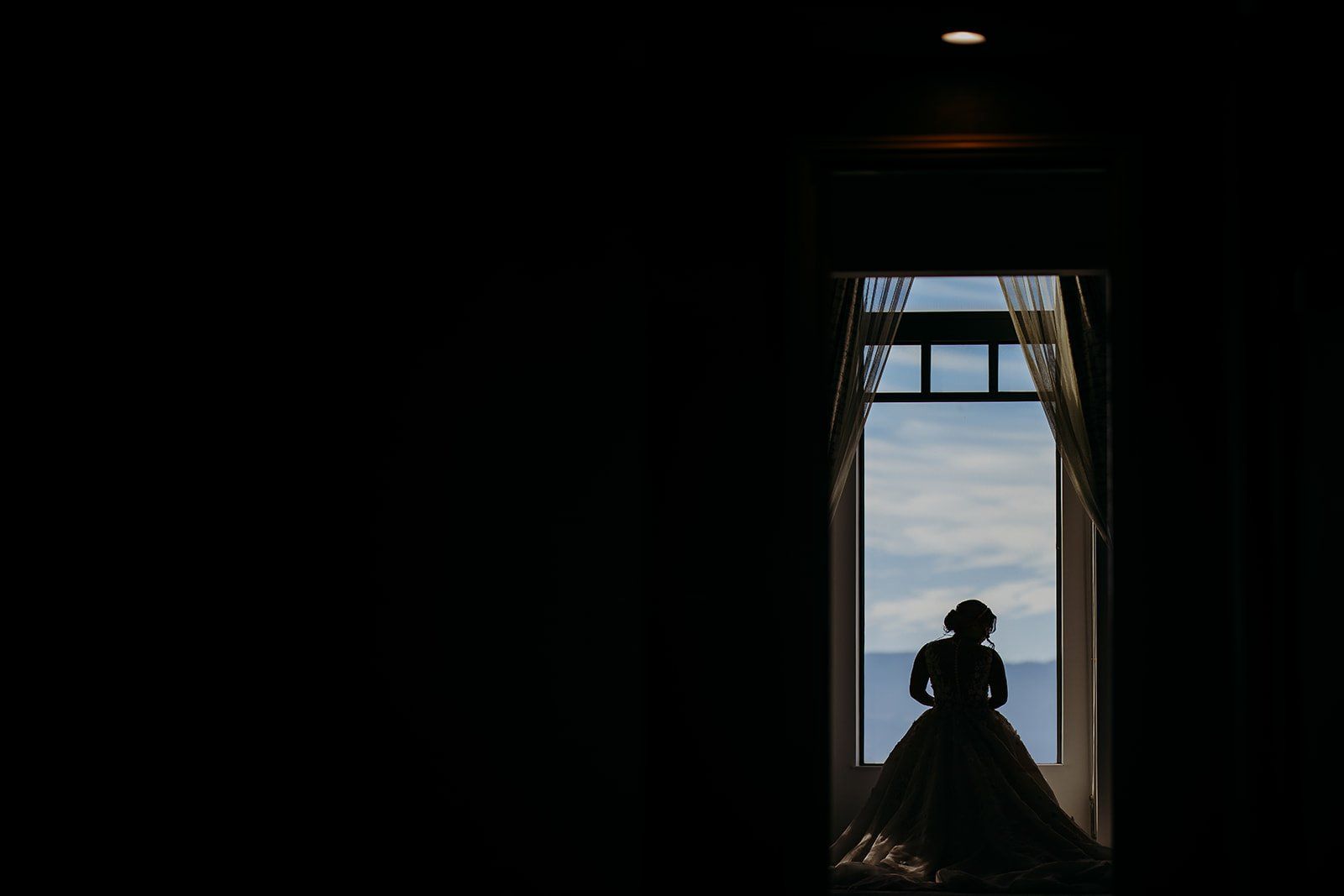
In the Bay Area, “cinematic” is often shorthand for a heavier edit: curated music, color grading, audio cleanup, and intentional pacing. “Documentary” is shorthand for longer, complete coverage where continuity matters more than stylized shots.
Cinematic wedding films (what they are, and who they are for)
A cinematic film is designed to feel like a short movie. The editor is not trying to include every moment; they are trying to build an emotional arc.
What a cinematic package typically includes
Expect some combination of:
- A short highlight film (often 3–10 minutes)
- Carefully recorded audio (vows, letters, speeches) used as the backbone of the story
- Intentional “b-roll” of details and environment (venue exteriors, cocktail hour, florals, city or vineyard scenes)
- A stylized color grade for a consistent look
Because the edit is doing so much, cinematic work is often priced for post-production time as much as wedding-day coverage.
Pros of choosing cinematic
- The film is easy to share and rewatch.
- The best studios can make even a foggy SF day look editorial and cohesive.
- Music + audio storytelling can capture the feeling of the day, not just the timeline.
Tradeoffs to watch for
- A cinematic highlight might not show every key moment in full (especially speeches).
- Some studios focus heavily on visuals and use minimal real audio, which can feel beautiful but less personal.
- If you care about complete documentation (full ceremony, full speeches), you must ask for it explicitly.
Documentary wedding coverage (what it is, and who it is for)
Documentary coverage is built around completeness. Think: full ceremony, full toasts, full first dances — often delivered as separate files or chapters.
What documentary deliverables usually look like
- Ceremony edit from processional to recessional
- Toasts and special dances delivered in full
- Sometimes a longer “feature” edit (20–60 minutes) that includes the day in chronological order
The goal is not to create a montage; it is to preserve memories with minimal gaps.
Pros of choosing documentary
- You can relive the day and hear everything that mattered.
- It is especially valuable for multicultural weddings where ceremony moments and speeches carry deep meaning.
- It is often the most future-proof choice for family history.
Tradeoffs to watch for
- Documentary edits can feel less “movie-like” unless the studio is intentionally blending styles.
- Longer edits require strong audio and multiple cameras to avoid feeling static.
- Some low-budget “documentary” packages are essentially a locked-off camera with basic edits; ask how they cover audio and angles.
The hybrid approach (what most Bay Area couples actually choose)
A common sweet spot is:
- A cinematic highlight film
- Full ceremony edit
- Full speeches (and sometimes special dances)
This gives you something emotional and shareable, plus the parts you will want to revisit in full.
If you are planning a full-day Bay Area wedding with a ceremony, cocktail hour, and reception, a hybrid package often delivers the best long-term satisfaction because it reduces the “I wish we had that on video” regret.
Budget reality check: what Bay Area videography costs in 2026
Pricing varies by style, crew size, and post-production, but here are planning-level ranges that match what many Bay Area couples see when collecting quotes.
- Entry-level: about $2,000–$3,000 for basic coverage and a short highlight
- Mid-range: about $3,500–$6,000 for fuller coverage and more advanced editing
- High-end: $8,000+ for larger teams, heavier storytelling edits, and premium production
You will also see guidance that a “good wedding video” in San Francisco averages around the mid-$3,000s, and that many full-service collections land roughly $3,500–$7,500 depending on scope.
If you are aiming for a cinematic highlight plus full ceremony coverage, budgeting around $5,000–$8,000 is a realistic starting point for experienced Bay Area teams.
What actually changes between cinematic vs documentary (and why it matters)
Coverage: how many hours, and which parts of the day
Your videographer can only film what you pay for. The most common Bay Area pinch points:
- Getting ready: two locations, traffic, and tight timelines
- Ceremony audio: mic placement and backup recordings
- Reception: speeches, special dances, and exit
If your priority is documentary completeness, prioritize enough hours to cover full ceremony through key reception moments. If your priority is cinematic, you can sometimes cut hours if you are comfortable skipping long reception coverage.
Crew size: one shooter vs two
Cinematic and documentary both benefit from two cameras, but for different reasons.
- Cinematic: two shooters means more angles, more movement, and more “in-between” moments.
- Documentary: two shooters means you can keep a stable wide shot while also capturing reactions, speaker close-ups, and cutaways.
In the Bay Area, two shooters can be especially valuable at venues with long walks, tricky lighting, or strict time windows.
Audio: the difference between “pretty” and “powerful”
If you remember one thing from this article, make it this: audio is the whole game.
Ask how they capture:
- Officiant audio
- Each partner’s vows
- Readings
- Toasts (including DJ or band board feed)
A cinematic film without clean vows can feel generic. A documentary edit with weak audio can be hard to watch.
Editing style: story vs timeline
Cinematic editing compresses time. Documentary editing preserves it.
A portfolio can look great but still be wrong for you if:
- You want full speeches but they only show 10-second clips.
- You want authentic moments but everything is staged and slow-motion.
Questions that instantly tell you if a videographer is a fit
Use these in inquiries and calls:
- What deliverables are included (highlight length, ceremony, speeches, dances)?
- How do you record vows and toasts, and what backups do you use?
- How many cameras and shooters will be present, and who are they?
- Can we see two full wedding deliveries (not just the highlight)?
- What is your typical turnaround time, and do you offer rush delivery?
- How do you handle low light and mixed lighting (especially receptions)?
- Do you coordinate with the photographer and planner on timeline?
- What is your approach to direction: do you pose moments, or film as-is?
- Do you provide raw footage, and if so, what format and what are the terms?
That “two full deliveries” request is the most revealing. Highlights are marketing. Full edits show consistency.
Bay Area-specific tips (so you get better footage with less stress)
Plan for fog, wind, and microclimates
A cinematic film can look gorgeous in fog, but wind can destroy audio if mics and wind protection are not handled well. If you are getting married in San Francisco, on the coast, or in the hills, ask about wind protection and backup audio.
Think about permits and drone restrictions
Many Bay Area locations have strict rules around drones or require permits. If drone footage matters to you, confirm whether the venue allows it and whether the videographer is comfortable with that process.
Build a timeline that protects golden hour
If you want cinematic visuals, a short, protected portrait window around golden hour is worth it — especially in wine country where light changes fast. Your planner and photographer can help build this in; your videographer should coordinate with them.
Consider travel time between locations
Bay Area traffic is real. If you are getting ready in the city and marrying in a different county, you may need:
- Additional coverage hours
- A second shooter assigned to one location
- A plan for where gear and audio backups live
How to decide (a simple checklist)
Choose cinematic-first if:
- You want a short film with strong mood and pacing.
- You plan to share the video widely.
- You care more about emotion than full coverage.
Choose documentary-first if:
- You want to rewatch the ceremony and speeches in full.
- You care about hearing every word.
- Family history matters more than a “trailer.”
Choose hybrid if:
- You want both the emotional film and the full moments.
- You do not want to regret missing speeches or ceremony details.
If you are stuck, ask yourself: would you rather lose the highlight or lose the full ceremony? Your answer tells you which direction to prioritize.
Browse Vendors