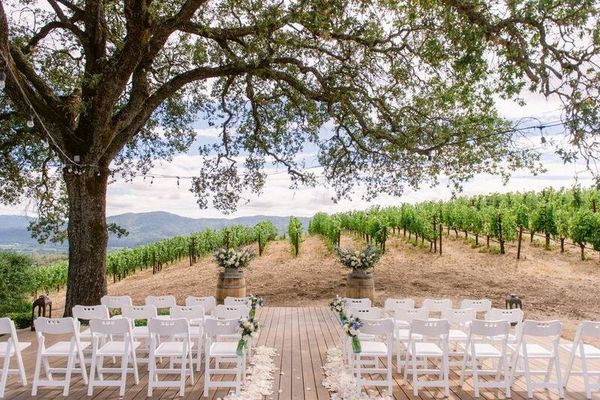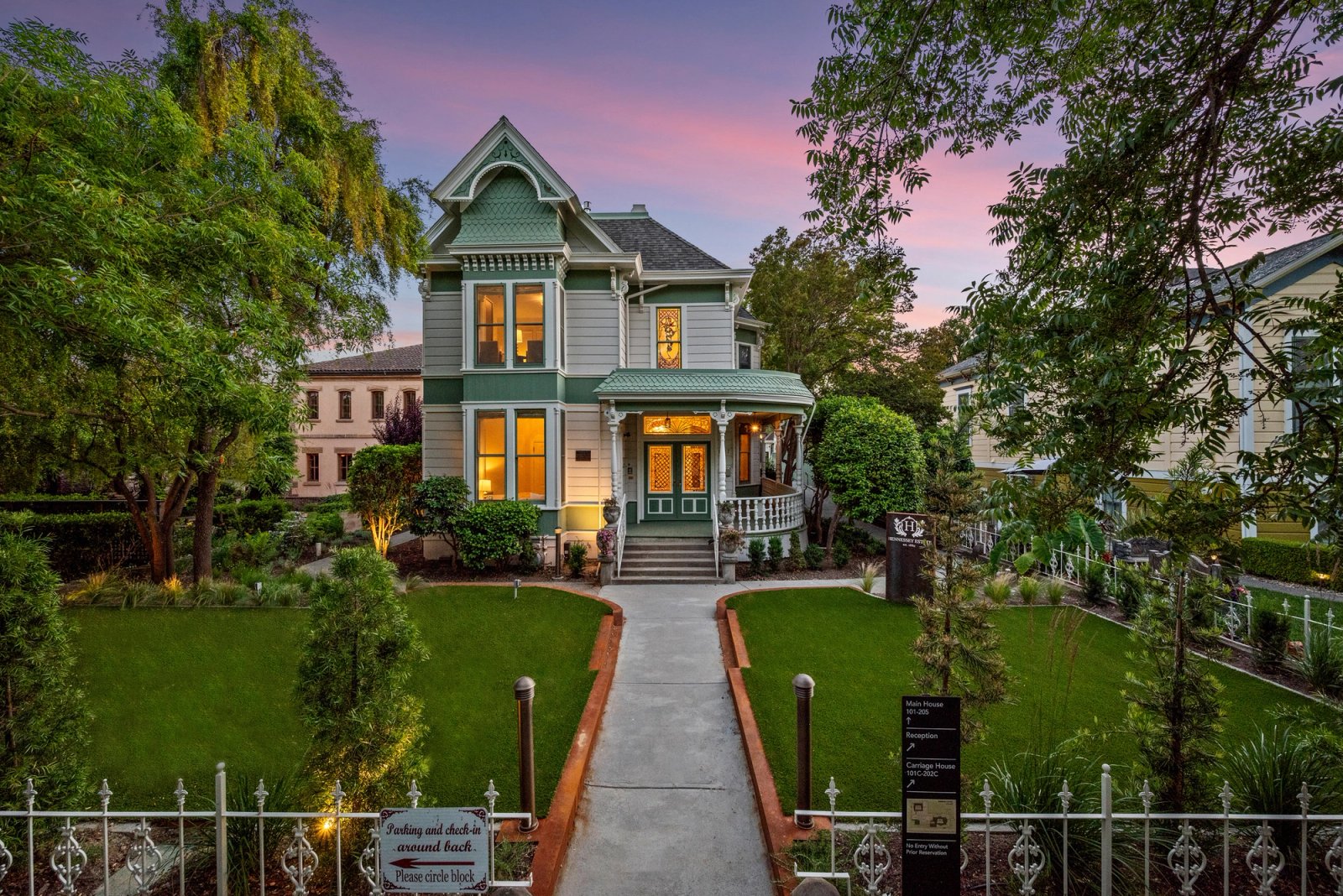
A venue quote can look simple until the line items start multiplying: room rental, chairs, staffing, bar service, china, setup, cleanup, and the last-minute items nobody remembered to ask about. The choice between an all-inclusive wedding venue and an à la carte venue is less about which label sounds easier and more about how you want to make decisions, spend money, and carry responsibility through the planning season.
The real difference is how the venue packages decisions
An all-inclusive venue bundles several operational pieces into one proposal. Depending on the property, that may include catering, tables and chairs, linens, staffing, bar service, basic setup, and a preferred vendor list. The exact contents are never universal, so the phrase is a starting point, not a guarantee. Ask for the inclusions sheet and the exclusions sheet before comparing the headline rental price.
An à la carte venue usually gives you a more open framework. You may bring in your own caterer, rent furnishings from a separate company, choose an independent bar team, and select vendors that fit your aesthetic or budget. That freedom can be valuable, but each added choice creates another contract, delivery window, insurance requirement, and person who needs to be aligned on the wedding day.
Why an all-inclusive model can be the calmer choice
A bundled model can reduce coordination at the moments when a wedding is most fragile. One venue team may already know the loading route, floor plan, kitchen limits, ceremony reset, and timing for service. If the venue truly manages those pieces, you spend less time translating instructions between companies and less energy wondering who owns a problem when the schedule shifts.
The tradeoff is that convenience can hide limited choice. A package may require a specific caterer, minimum guest count, beverage structure, rental collection, or service charge. If you want a very specific menu, outside alcohol, a nontraditional floor plan, or a specialty vendor, confirm those exceptions in writing. A beautiful package that does not fit your priorities is still an expensive constraint.
Where an à la carte venue earns its flexibility
An à la carte venue is often a better fit for a couple with a strong point of view and enough planning capacity to manage the moving parts. You can choose a caterer for a family menu, rent a distinctive tabletop collection, bring in a favorite photographer or planner, and adjust the scope as your priorities become clearer. The venue becomes a setting and operating partner rather than the source of every wedding element.
That flexibility can produce real savings, but it is not automatically cheaper. Outside vendors may add delivery, pickup, labor, insurance, power, or overtime charges. A rental order that looks reasonable online can require a second order for service pieces and a crew to place everything. The fair comparison is the cost of a complete guest-ready day, not the venue fee plus a hopeful list of future purchases.
The à la carte path also rewards an organized lead. Someone must maintain the master schedule, confirm certificates of insurance, track deposits, answer venue questions, coordinate deliveries, and make sure setup and strike happen inside the contracted windows. That person can be a planner, coordinator, or a very detail-oriented friend, but the responsibility should be assigned rather than left to chance.
Compare the two models with the same worksheet
Start with the same guest count, event hours, meal style, bar plan, furniture needs, ceremony setup, and cleanup expectations for both options. Then separate every quote into five columns: venue and site fees, food and beverage, rentals and equipment, labor and service charges, and planning or coordination. This makes a bundled proposal readable beside several à la carte proposals without treating missing information as free.
Add the operational questions that rarely appear in the first email. What is the overtime rate? Who unloads rentals? Is there a kitchen or prep fee? Are linens, glassware, and staffing included? Is tax applied before or after service charges? What happens if the guest count changes? Are there preferred-vendor markups, corkage, cake-cutting, security, parking, or power fees? These answers often change the ranking more than the base rental price.
Finally, compare the value of your own time. Estimate the hours required to research, contract, schedule, receive, place, and return each outside service. If an à la carte plan saves money but requires dozens of extra planning hours, decide whether that is a satisfying creative project or an avoidable source of stress. There is no universal dollar value for calm, but there is a real cost when a couple becomes the unofficial operations team.
A practical decision rule for Bay Area venues
Choose all-inclusive when your priorities are predictable execution, a compact vendor roster, and a venue team that can demonstrate exactly what it manages. Choose à la carte when vendor choice, cultural specificity, design control, or a nonstandard format matters more than minimizing coordination. Choose a hybrid when the venue can handle food and service reliably while still allowing selected outside vendors for photography, florals, rentals, or specialty entertainment.
Before signing, request a sample final invoice from a recent comparable event, with private information removed. It can reveal staffing, taxes, rentals, bar costs, and fees that a first proposal leaves out. Have your planner or coordinator review the contract language around cancellation, rescheduling, weather, damage, vendor access, and overtime. A clear agreement is more useful than a reassuring sales conversation.
Make the choice that protects your priorities
The best venue model is the one that protects the parts of the wedding you care about most. If the priority is a relaxed planning experience, pay close attention to ownership of the details. If the priority is a particular menu, visual language, or family tradition, protect the vendor flexibility that makes it possible. If the budget is tight, compare complete scenarios rather than isolated fees and leave room for contingency costs.
A venue decision becomes much easier when you stop asking which model is objectively better. Ask which tradeoff you are willing to make: fewer choices for simpler coordination, or more choices for greater control. Put that answer into the worksheet, verify every inclusion in writing, and select the team that can deliver your version of a good wedding day without making the budget or the schedule depend on assumptions.