For couples getting married in Northern California, this is often the first major fork in the road: do you want the city or the countryside?
San Francisco and the Napa/Sonoma wine country sit roughly an hour apart. Both are extraordinary settings for a wedding—wildly different in character, similar in cost, and each with real logistical considerations couples often don't discover until deep into planning.
Here's an honest side-by-side, built for couples who are genuinely undecided.
The Vibe
San Francisco
San Francisco weddings have an unmistakable energy—urban, cosmopolitan, and uniquely layered. Where else can you get married with the Golden Gate Bridge as your backdrop, then walk out onto a bustling waterfront neighborhood for dinner? The city's best venues tend toward the dramatic: historic mansions in Pacific Heights, industrial-chic warehouse spaces in Dogpatch and the Mission, Beaux-Arts civic institutions like the Ferry Building or San Francisco City Hall, and bayfront properties along the Embarcadero with views of the bay that don't require leaving the city.
The aesthetic lends itself to a more formal or sophisticated palette—think black tie in a Gilded Age building, or contemporary minimalism in a converted industrial space. But SF also accommodates intimate, relaxed, and even offbeat weddings at the right venues.
Wine Country (Napa / Sonoma)
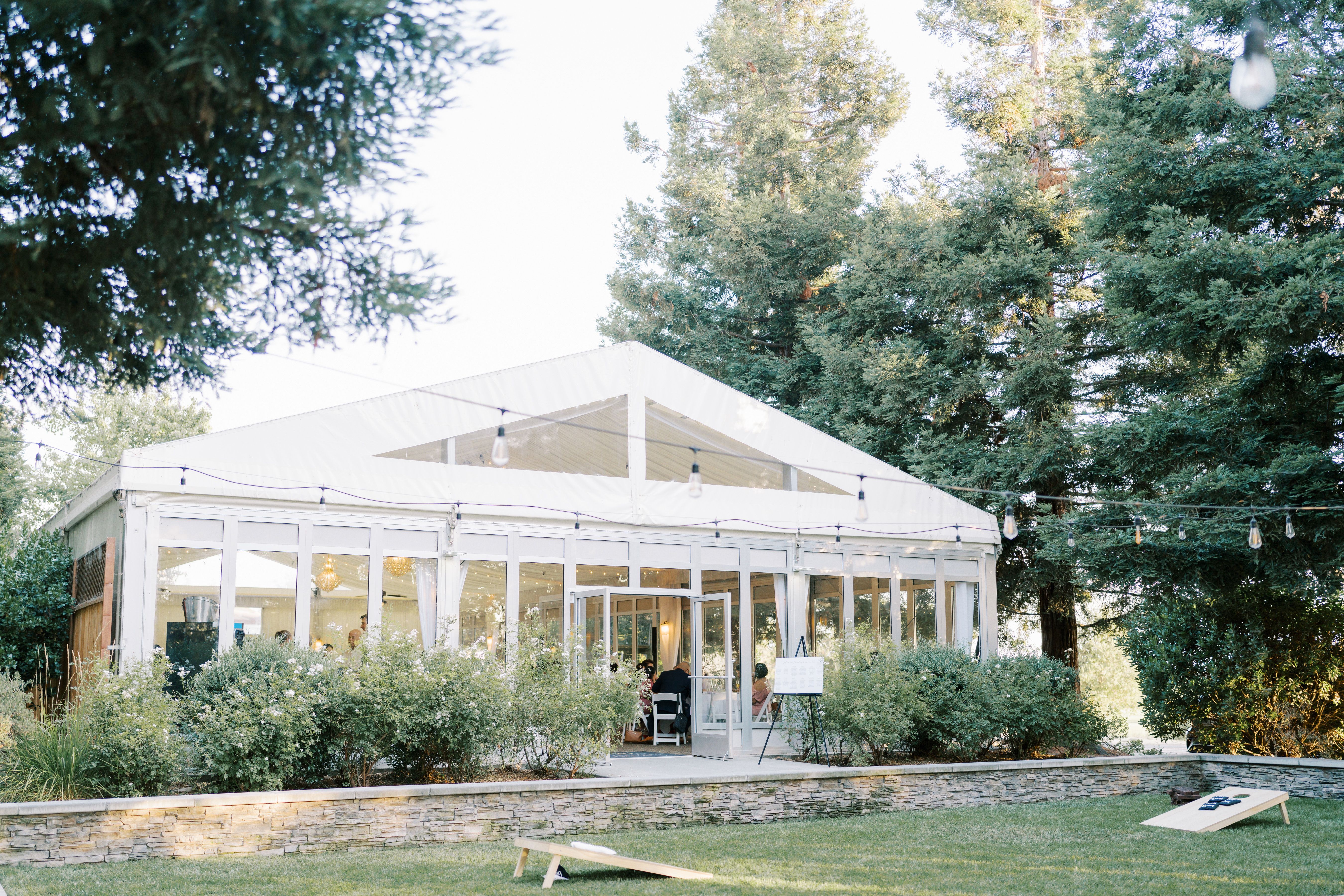
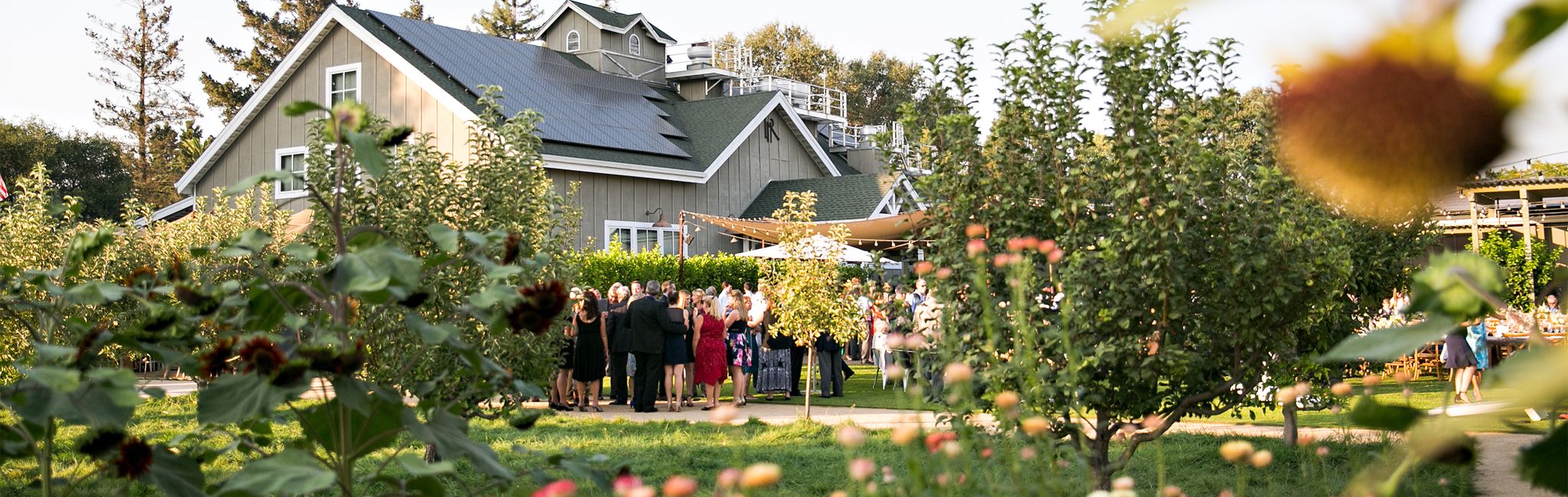
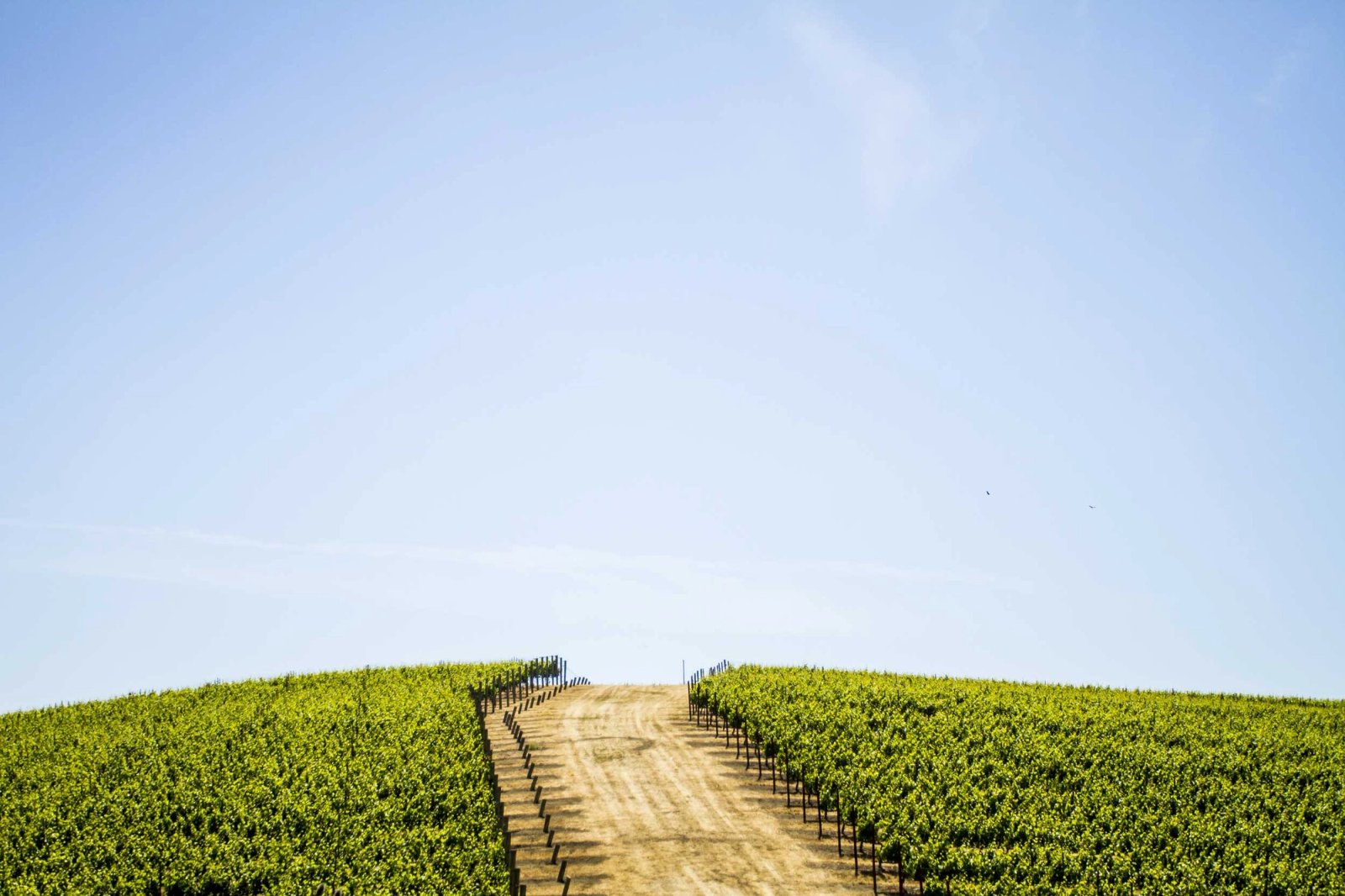
Wine country weddings feel like an escape—even though you're barely an hour from the Bay Bridge. Vineyard estates, garden settings, hillside resorts, and working wineries create an environment that is genuinely pastoral. The air smells different. The pace is different. Guests tend to arrive in a different headspace—more relaxed, more present.
Napa skews slightly more formal and polished; Sonoma has a more relaxed, farm-to-table charm. But both regions share the defining qualities: extraordinary food and wine, scenery that requires almost no additional decoration, and the feeling of a destination wedding without requiring flights.
Edge: Depends entirely on your aesthetic. If you're drawn to urban sophistication, architectural drama, and city energy, SF wins. If you want pastoral beauty, vineyard scenery, and a weekend-long escape feeling, wine country wins.
The Cost
Both options are expensive by national standards—but the structure of costs differs.
San Francisco: Zola puts the average SF wedding at $84,649 for 150 guests. Venue rental alone typically runs $13,000–$16,000 for most properties (with landmark venues like The Hibernia or premium waterfront spaces running $40,000+). Catering per person runs $85–$150 for mid-range in-house options. The city's density means vendors can often be more efficiently sourced, and guests staying downtown have easy access to transportation.
Wine Country (Napa/Sonoma): For 100 guests in wine country, expect a realistic starting budget of $100,000–$130,000 all-in. Site fees for historic winery venues run $12,000–$30,000; luxury resorts start at $45,000–$65,000. Catering starts at $175 per person. Critically, wine country often requires guest accommodations—most guests will need to book rooms—and shuttle service between multiple hotel pickup points and the venue, adding $2,500–$4,000+ to your logistics budget.
Edge: San Francisco is generally more cost-efficient for the base wedding, though top SF venues can rival wine country pricing. Wine country's destination element adds transportation and accommodation complexity that SF largely avoids.
Guest Logistics
San Francisco
SF is logistically simple for guests. They fly into SFO, OAK, or SJC, take BART or a rideshare to downtown, and have hundreds of hotel options at every price point within a few blocks of most venues. Out-of-town guests can make a long weekend of the city without needing a car. Parking is limited, but rideshare infrastructure is excellent.
The catch: you cannot reliably expect guests to drive themselves between a ceremony and reception venue on opposite sides of the city. If your ceremony and reception are at different locations, shuttle coordination is essential.
Wine Country
Wine country logistics require more planning. Most venues are not walkable from accommodations, and shuttles between hotel pickup points and the venue are effectively mandatory for a safe, enjoyable guest experience—especially since wine is flowing all day. Coordinating hotel room blocks across multiple properties (Napa accommodations fill up quickly for Saturday dates) takes time.
For guests flying in, the closest major airport is San Francisco (SFO) or Oakland (OAK), about 1–1.5 hours from most Napa venues. But the experience of arriving in wine country—the eucalyptus drives, the vineyard views, the tasting rooms within walking distance—creates something a city venue simply cannot: the feeling of a genuine getaway.
Edge: SF wins on pure logistics ease. Wine country wins on guest experience—the trade-off is more coordination.
Seasonality and Weather
San Francisco
SF's weather is notoriously counterintuitive. June, July, and August—peak summer months—are actually the foggiest, not the most beautiful. The famous "June Gloom" is real, particularly at coastal venues. The best months for outdoor SF weddings are September through November (warm, clear, golden light) and April–May (reliably dry, mild temperatures).
For indoor venues, seasonality matters less. City Hall is gorgeous year-round; a historic mansion venue doesn't depend on the weather. This is a meaningful advantage for couples who want weather certainty.
Wine Country
Wine country has a more predictable Mediterranean climate. Summers are warm and dry (80–90°F in the afternoon), making morning ceremonies important for outdoor comfort. September and October are widely considered the best months—harvest season, golden afternoon light, cooler temperatures, and the spectacular visual of the vines turning. Spring (April–May) brings lush green hillsides from winter rains.
Winter (November–March) is cooler and occasionally rainy, but shoulder-season pricing can be meaningful and the landscape is still beautiful. Fewer competitors for vendor availability is also a real advantage.
Edge: Wine country has more consistent summer sunshine, but SF's indoor venues neutralize weather risk entirely. September–October is genuinely spectacular in both locations.
The Guest Experience
San Francisco gives guests a world-class city to explore before and after the wedding. Brunch in Hayes Valley, a cable car ride, a walk across the Golden Gate Bridge—out-of-town guests can build a full long weekend without a car. The wedding itself is part of a larger city experience.
Wine Country creates a more immersive, contained experience. Guests who travel to Napa or Sonoma often feel like they're on vacation. Pre-wedding wine tasting tours, cooking classes at a Culinary Institute of America campus, spa days, and farm dinners become part of the celebration. If you want your wedding weekend to feel like a destination event—where guests are fully transported into your celebration—wine country is hard to beat.
Pros and Cons at a Glance
San Francisco
- Iconic urban backdrop—bridges, skyline, bay views
- Easy logistics for guests (no cars needed, abundant hotels)
- Weather-protected options year-round via indoor venues
- Unique architectural diversity: historic mansions, industrial spaces, civic institutions
- September–November outdoor weddings are exceptional
- Limited true outdoor settings within the city proper
- High traffic; venue-to-venue transportation requires planning
- June–August fog is real for coastal and outdoor venues
Wine Country (Napa/Sonoma)
- Unmatched scenery—vineyards, rolling hills, golden light
- World-class food and wine integrated into the whole event
- Destination-weekend feel without requiring flights
- Harvest season (Sept–Oct) is genuinely spectacular
- Accommodations on-site at many venues (full weekend experience)
- Guest transportation logistics are complex and necessary
- Higher all-in budget (accommodations, shuttles, higher catering minimums)
- Limited winery venues due to county ordinance (pre-1974 only)
- Summer afternoons can be very hot; morning ceremonies essential
How to Decide
If you're genuinely torn, ask yourselves these questions:
Where do you feel most like yourselves? The setting should amplify who you are, not dress you up as someone else.
What do you want guests to experience? City excitement and easy logistics, or an immersive vineyard escape?
What's your photography vision? Golden vineyard light and pastoral scenery, or dramatic architecture and city skylines?
How much planning bandwidth do you have? SF weddings tend to be logistically simpler. Wine country requires more coordination, or the right planner to handle it.
The honest answer is that there is no wrong choice. Northern California is extraordinary for weddings in both directions. The best wedding is the one that actually feels like you.
Browse Vendors