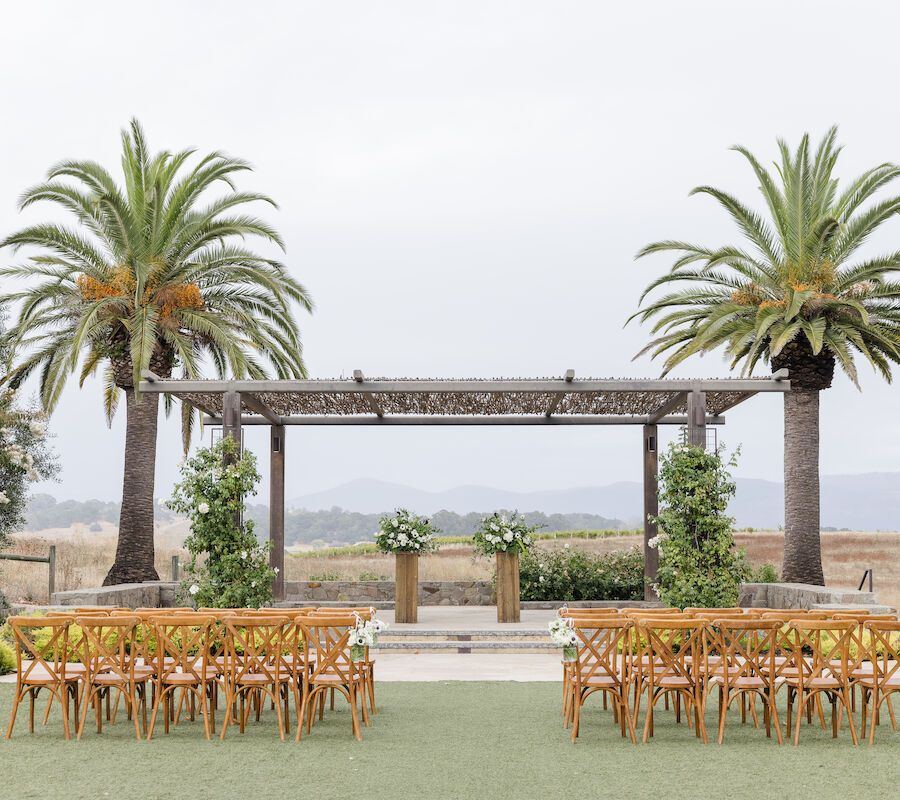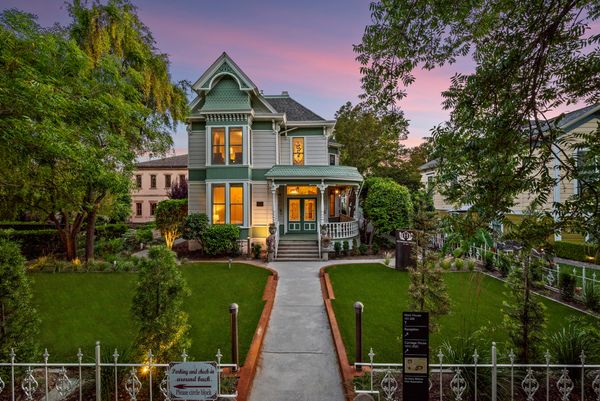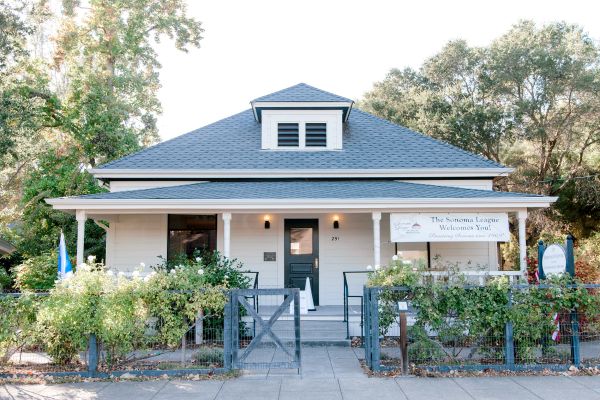
Wine-country weddings look similar in photos—vines, golden light, and a long table under string lights—but the experience (and budget) can feel completely different depending on which valley you pick.
If you’re Bay Area–based, Napa Valley, Sonoma County, and the Livermore Valley are all close enough for a weekend celebration. The trick is matching the region to your priorities: guest count, formality, noise rules, lodging, and how much you want to spend on transportation.

Napa vs. Sonoma vs. Livermore: the quick take
Choose Napa if…
You want a high-touch, polished luxury feel and you’re comfortable budgeting for it. Napa venues often feel like private estates with a strong hospitality backbone—great if you want everything to run like clockwork.
Choose Sonoma if…
You want wine country with more variety: rustic-luxe barns, garden estates, and laid-back tasting-room properties. Sonoma can still be very high-end, but it tends to offer more stylistic range and, often, a bit more flexibility.
Choose Livermore if…
You want vineyards without the overnight destination vibe. Livermore is closer to the East Bay and Silicon Valley, which can mean simpler logistics, fewer hotel-room headaches, and more value for comparable scenery.
Budget reality check (2026): where the money goes
In wine country, the venue is rarely your only big line item. Most couples feel the real cost in three places:
- Site fees and required staffing (security, parking attendants, venue coordinator).
- Catering and rentals (many vineyard properties require approved caterers and specific rental setups).
- Transportation and lodging (shuttles, room blocks, and sometimes multiple event locations).
If you’re comparing regions, try to price your weekend as a system. A lower site fee can be offset by longer shuttle routes, stricter end times that force a second location, or limited nearby hotels.
Guest experience: what your friends will remember
Travel time and traffic patterns
Napa and Sonoma are classic weekend-trip destinations—great for a ‘mini vacation’ feel, but you’ll want to plan around bridge/valley traffic and offer shuttles if guests will be drinking.
Livermore is usually the easiest for a single-day celebration: many Bay Area guests can drive in and out, which can reduce hotel pressure and make Friday or Sunday events more realistic.
Lodging availability
Napa has plenty of hotels, but rates can be steep during peak season and special event weekends. Sonoma has wider distribution across towns (Healdsburg, Sonoma, Santa Rosa, Sebastopol), which can help for larger guest lists.
Livermore has fewer ‘resort’ options, but strong coverage in nearby Tri-Valley cities (Pleasanton, Dublin, San Ramon) plus easy access to East Bay inventory.
Noise rules, end times, and the ‘after party’ plan
One of the biggest practical differences is what happens after 9–10 p.m. Many vineyard properties have firm noise restrictions and earlier music cutoffs, especially outdoors.

If a late dance floor is important to you, build it into your shortlist questions:
- What time does amplified music have to end outdoors—and indoors?
- Is there an indoor reception option with doors closed after a certain hour?
- Can we move to a designated after-party location nearby (hotel bar, private room, or a permitted lounge)?
Whatever region you choose, confirm current rules directly with the venue’s events team—policies can change season to season.
Weather and seasonality: the photo-lighting details
All three regions get warm, dry stretches, but the ‘feel’ can differ:
- Napa: hot afternoons in peak summer; beautiful golden-hour light, but plan hydration and shade.
- Sonoma: more microclimates—coastal influence can mean cooler evenings depending on where you are.
- Livermore: can be very warm in summer; spring and early fall are popular for comfort.
Ask venues about plan-B spaces that look good in photos. A great backup isn’t just weather insurance—it’s peace of mind.
Representative venues to start your shortlist (verify current terms)
Below are real venues that illustrate the range across each region. Every venue’s program changes—confirm current pricing, guest counts, and vendor rules with their events team.
Napa Valley
- V. Sattui Winery (Napa): listed as up to 200 guests, with a starting package price shown in 2026 venue listings—useful as a benchmark for the ‘iconic Napa’ tier.
Sonoma County
- Chateau St. Jean (Kenwood): a classic Sonoma winery setting with garden-and-vineyard appeal; a good example of a scenic property that can feel formal without being overly stiff.
Livermore Valley
- Look for vineyard properties around Livermore that offer on-site ceremony and reception in one place—this region often shines when you prioritize logistics and guest convenience.
How to decide in one weekend: a practical comparison plan
If you’re feeling stuck, try this fast, Bay Area–friendly approach:
- Pick one venue in each region that matches your style (estate, garden, modern winery).
- Email the events teams the same five questions: site fee range, catering minimums, hard end time, shuttle/parking requirements, and rain plan.
- Map guest lodging options and estimate shuttle time to/from the nearest cluster of hotels.
- Compare the ‘all-in’ scenario for your guest count—then choose the region that produces the least stressful plan.
Wine country weddings can be extraordinary in any of these valleys. The best choice is the one that fits your guest list and the kind of weekend you want to host.
Browse Vendors