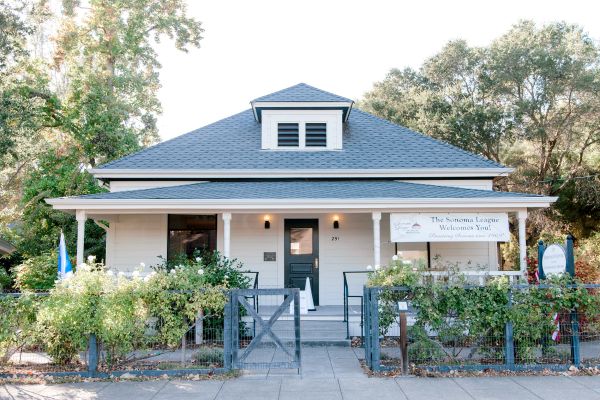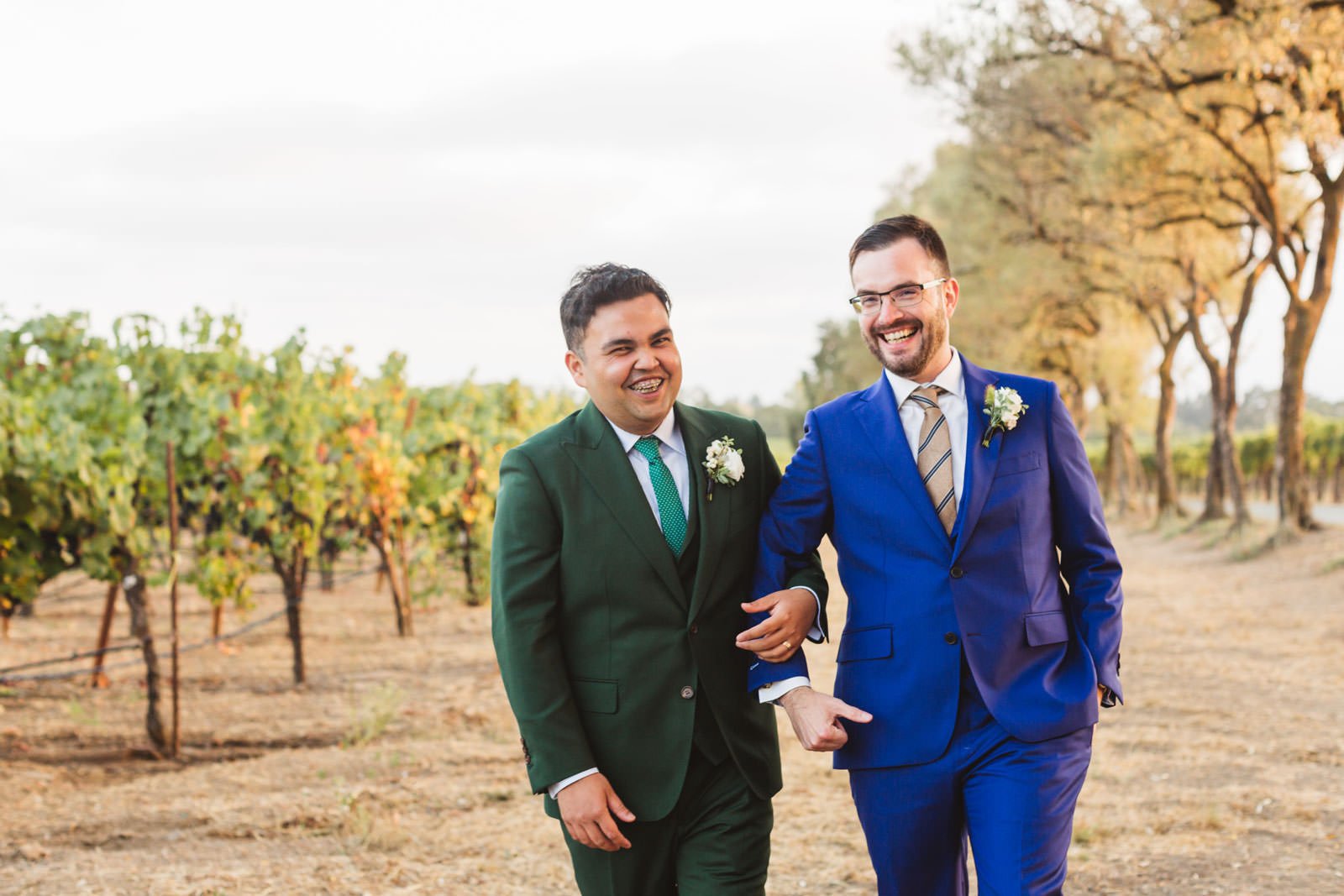
Sonoma County is one of the easiest “destination” wedding locations for Bay Area couples and out-of-towners alike: it feels like a full getaway, but it’s still drivable from San Francisco and the airports. The trick is treating it like a destination (guest logistics, timing, transportation) while keeping the planning grounded in real constraints like venue rules, sound limits, and travel time.
This guide is built for couples planning a 2026 wedding in Sonoma County and trying to avoid the two most common problems: a beautiful venue with a stressful guest experience, or a great weekend plan that blows up the budget.
What “destination wedding” means in Sonoma County
A Sonoma County destination wedding usually looks like one of these formats:
- One-day celebration: ceremony + reception at a winery/estate, guests stay in Santa Rosa or Sonoma.
- Two-day weekend: welcome drinks the night before, wedding day, plus optional brunch.
- Full weekend buyout: you take over a resort/inn (or a cluster of lodging) and build the schedule around it.
Sonoma is less about flights and passports and more about distance + road time. A drive that looks short on the map can feel long once you add wine country traffic, two-lane roads, and late-night returns.
Quick cost reality check for 2026
Venue pricing in Sonoma County spans a wide range, and “starting package” numbers can be misleading (they rarely include catering, rentals, staffing, taxes, and service charges). Still, they’re useful for comparing the order of magnitude.
Here are examples of starting packages for Sonoma County venues as listed in 2026:
- Viansa Winery: starting package ("$10,850"), up to 300 guests.
- St. Francis Winery: starting package ("$7,000"), up to 200 guests.
- Buena Vista Winery: starting package ("$8,269"), up to 200 guests.
- Villa Chanticleer: starting package ("$7,500"), up to 250 guests.
- Russian River Vineyards: starting package ("$7,500"), up to 150 guests.
- The Secret Gardens: starting package ("$16,275"), up to 120 guests.
- Sonoma Coast Villa: starting package ("$4,000"), up to 100 guests.
- The Ranch at Lake Sonoma: starting package ("$4,883"), up to 300 guests.
- Sova Gardens: starting package ("$2,425"), up to 200 guests.
In practice, many couples find the “destination” part adds cost in three places:
- Guest transportation (shuttles, drivers, staging lots).
- Lodging expectations (room blocks, buyouts, hospitality touches).
- Weekend events (welcome party, rehearsal dinner, farewell brunch).
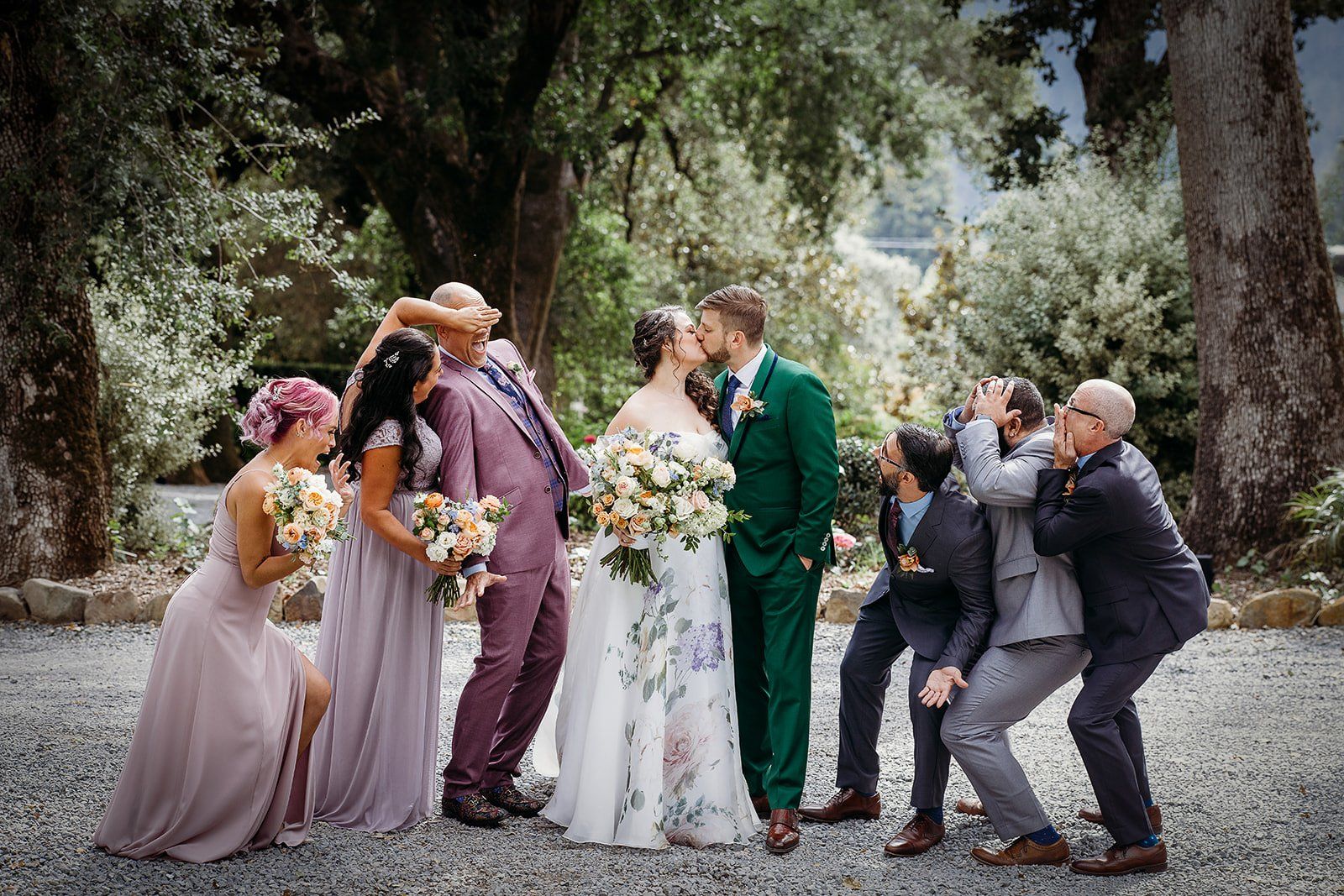
Step 1: Pick a Sonoma sub-region based on guest experience (not just photos)
Sonoma County is big, and your sub-region can quietly set the tone for the entire weekend.
Sonoma / Glen Ellen / Kenwood
- Close-ish to Napa/Carneros, easy wine country feel.
- Good for guests who want tasting rooms and a classic vineyard weekend.
Healdsburg / Dry Creek / Alexander Valley
- Great dining scene and walkable downtown (Healdsburg is a strong “home base”).
- Venues often feel polished and elevated.
Russian River / Sebastopol / Forestville
- More relaxed, garden-and-redwoods energy.
- Fantastic for couples who want something less “trophy winery.”
Bodega Bay / Sonoma Coast
- Stunning views, cooler weather, coastal wind.
- Transportation logistics matter more (and Plan B options become important).
If more than 30–40% of your guest list is coming from out of town, prioritize a simple lodging hub (even if the venue is rural). Guests remember the weekend as “easy” or “hard” more than they remember the exact shade of the ceremony chairs.
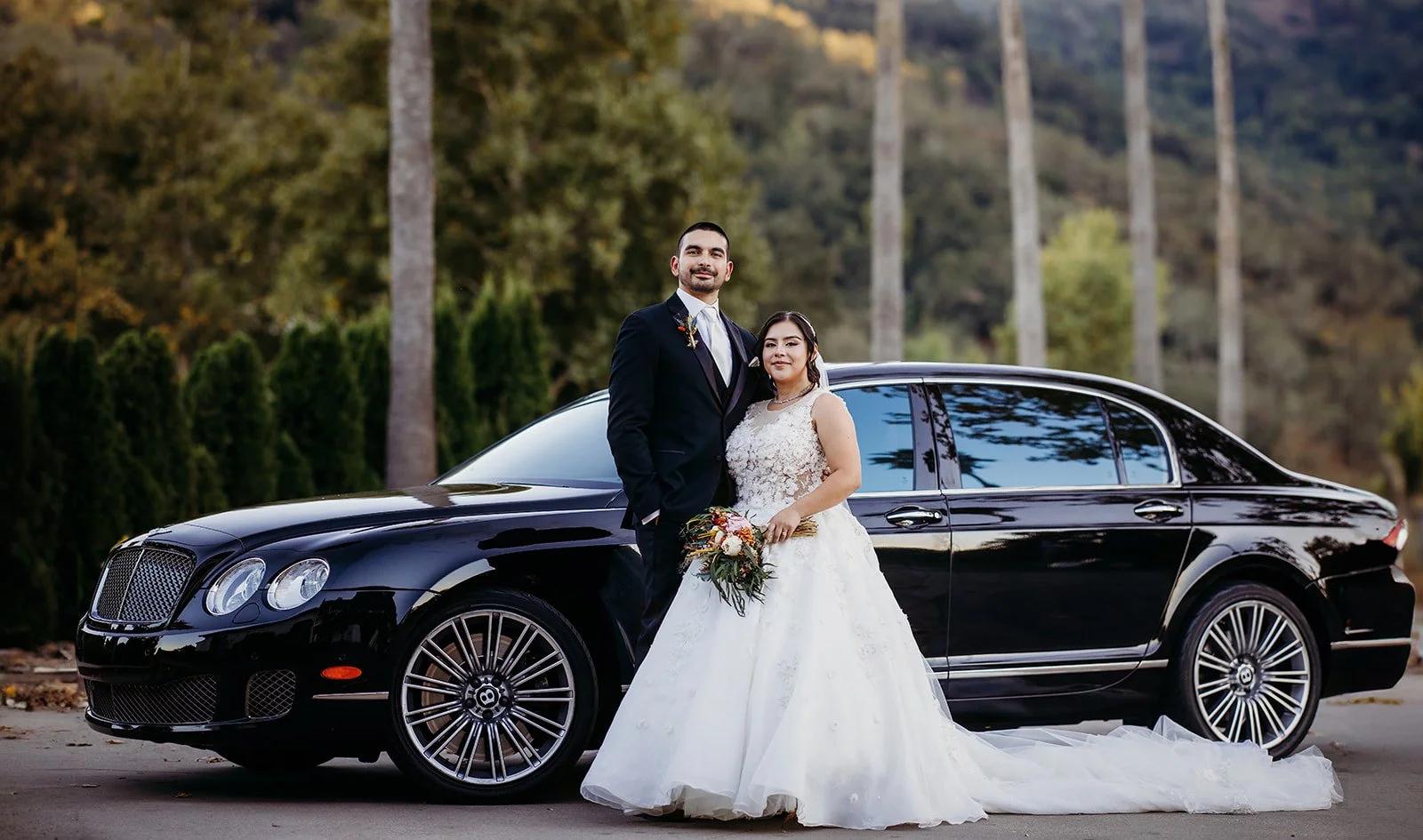
Step 2: Build the weekend around transportation (seriously)
In Sonoma County, transportation is the single best investment you can make for guest comfort and safety.
Sonoma County Tourism highlights that transportation can help you move guests from a central staging area to secluded venues and keep the day relaxing and safe, especially when venues are remote and guests may be drinking.
A workable approach for many weddings:
- Choose one primary hotel cluster (for example, Santa Rosa or Healdsburg).
- Run two shuttle loops: one earlier loop for ceremony start, one later loop for cocktail hour.
- Run multiple return waves (not just one “everyone leaves at the end” bus).
If you’re comparing quotes, ask:
- Are there extra charges for late-night hours?
- What’s the backup plan if a bus breaks down?
- How many vehicles do you need to avoid a single long line?
Sonoma County Tourism lists vendors like Pure Luxury Transportation, Sonoma Sterling Limousines and Party Buses, and Sonoma Valley Wine Trolley as examples of local transportation options.
Step 3: Lock in the legal essentials early (especially for out-of-towners)
If you’re getting legally married in Sonoma County, don’t leave the paperwork until the week-of.
According to Sonoma County’s Clerk-Recorder-Assessor office:
- Both parties must appear together in person to be issued a marriage license.
- A public marriage license fee is ("$82").
- Licenses are valid for 90 days from issuance.
That 90-day window is perfect for destination weddings: you can schedule a quick license appointment during a planning trip, or time it to a pre-wedding visit.
Step 4: Ask venues the questions that make or break a destination weekend
Pretty venue photos hide logistical dealbreakers. Before you sign, get clarity on:
Guest arrival and parking
- Is there enough parking on-site?
- Do you need an off-site staging lot?
- Can rideshares reliably find the venue at night?
Sound and timing rules
Even if you’ve heard “wine country has a 10pm music cutoff,” rules vary by venue and location. Ask:
- What time does amplified music have to end?
- Is there an indoor option for a late-night lounge?
- Are there noise monitors or decibel limits?
Rentals and restrictions
- Are tables/chairs included?
- Are candles allowed?
- Do you have to use preferred vendors for catering, rentals, or security?
Weather and microclimates
Sonoma isn’t one weather forecast.
- Coast and Russian River areas can be cooler and foggier.
- Inland afternoons can be hot in late summer.
Ask venues what they see most often on your target month and what their Plan B actually looks like (not just “we have an indoor space”).
Step 5: Choose a planning style that fits a destination workflow
Destination weddings benefit from one of these approaches:
Full-service planning
Best if you’re organizing multiple events, buyouts, or a large guest list. A full-service planner also helps coordinate lodging, transportation, and vendor load-ins that are easy to underestimate.
Partial planning
Good for couples who want to book vendors themselves but need help with layout, rentals, and pulling it all together.
Month-of / wedding management
Works if your venue is straightforward and you’re not trying to run a complex weekend schedule. Just make sure “month-of” still includes transportation timelines and vendor arrival windows, not only the ceremony.
Step 6: Plan the guest communication like a destination resort
You don’t need welcome bags for everyone, but you do need clarity.
Include these on your wedding website (or in one email guests can find later):
- Closest airports (SFO/OAK/STS) and realistic drive times
- Hotel block details (cutoff dates, parking fees)
- Shuttle pickup times and exact locations
- What to pack (layers for evenings, comfortable shoes for gravel)
- A short “things to do” list for downtime
A destination wedding feels premium when guests never have to guess.
A simple planning timeline (for Sonoma destination weddings)
12–16 months out
- Pick your sub-region and venue
- Identify your lodging hub
- Start transportation conversations early
8–12 months out
- Book key vendors (planner, photo/video, catering)
- Lock your hotel block(s)
- Draft shuttle plan and get initial quotes
4–6 months out
- Finalize rentals and layout
- Confirm ceremony timing based on sunset and temperature
- Build a realistic load-in schedule for vendors
6–8 weeks out
- Send a “weekend logistics” email
- Confirm final shuttle manifest and pickup locations
- If you’re getting married in Sonoma County, schedule your marriage license appointment within the 90-day window
The Sonoma County destination wedding checklist
- Choose a lodging hub first, then a venue
- Treat transportation as a core vendor, not an add-on
- Ask venues about sound rules, parking, and Plan B specifics
- Communicate logistics in one place guests can reference
- Time your marriage license within 90 days of the wedding
If you want, I can turn your guest count + preferred sub-region into a “weekend flow” sample schedule (welcome night, wedding day, brunch) that’s realistic for drive times and shuttle loops.
Browse Vendors