Of all the decisions you'll make while planning your wedding, choosing your photographer is the one with the longest-lasting consequences. The flowers fade. The cake gets eaten. The dress goes into storage. But your photos will be on your wall, in your parents' homes, and on your phone screen for decades.
And yet most couples spend more time choosing a venue than a photographer—often because they don't have the vocabulary to articulate what they actually want. That changes here.
First, a Framework: Shooting Style vs. Editing Style
Wedding photography has two distinct components that are often conflated but are actually separate decisions:
Shooting style refers to how a photographer works on the day—how much they direct, how much they observe, how involved they are in creating moments versus capturing them.
Editing style refers to the look of the final images—the colors, tones, contrast, and overall mood applied in post-processing.
You need to love both. A photographer whose gallery is technically beautiful but whose style doesn't match your wedding's energy is still the wrong hire.
The Main Shooting Styles
Documentary / Photojournalistic
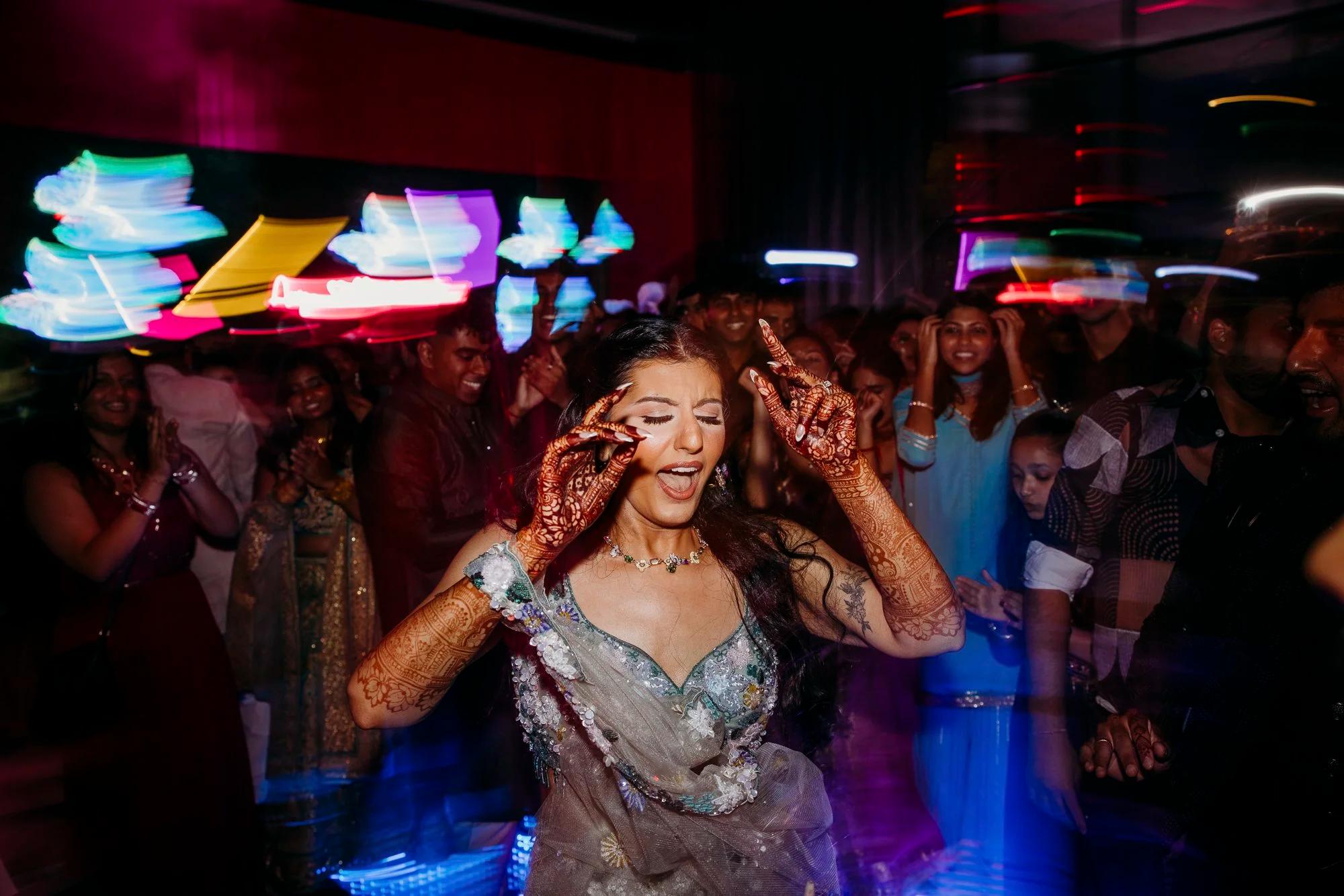
The documentary photographer works like a journalist embedded in your wedding. They observe and capture moments as they happen, interfering as little as possible. Think: the tear rolling down your dad's cheek before he notices the camera. The ring bearer abandoning his post to examine a bug. Your best friend laughing so hard she's crying during a toast.
This style shines during ceremonies, cocktail hours, and receptions—any time genuine emotion is unfolding naturally. The best documentary photographers are invisible. You forget they're there, and that's exactly the point.
Best for: Couples who dislike posed photos, want their gallery to feel like a film they watched, or prioritize authentic emotion over polished portraits.
Watch out for: Photographers who use "documentary" as code for minimal effort. The best in this style are making constant micro-decisions about framing, position, and timing—it just looks effortless.
Editorial / Fashion-Inspired
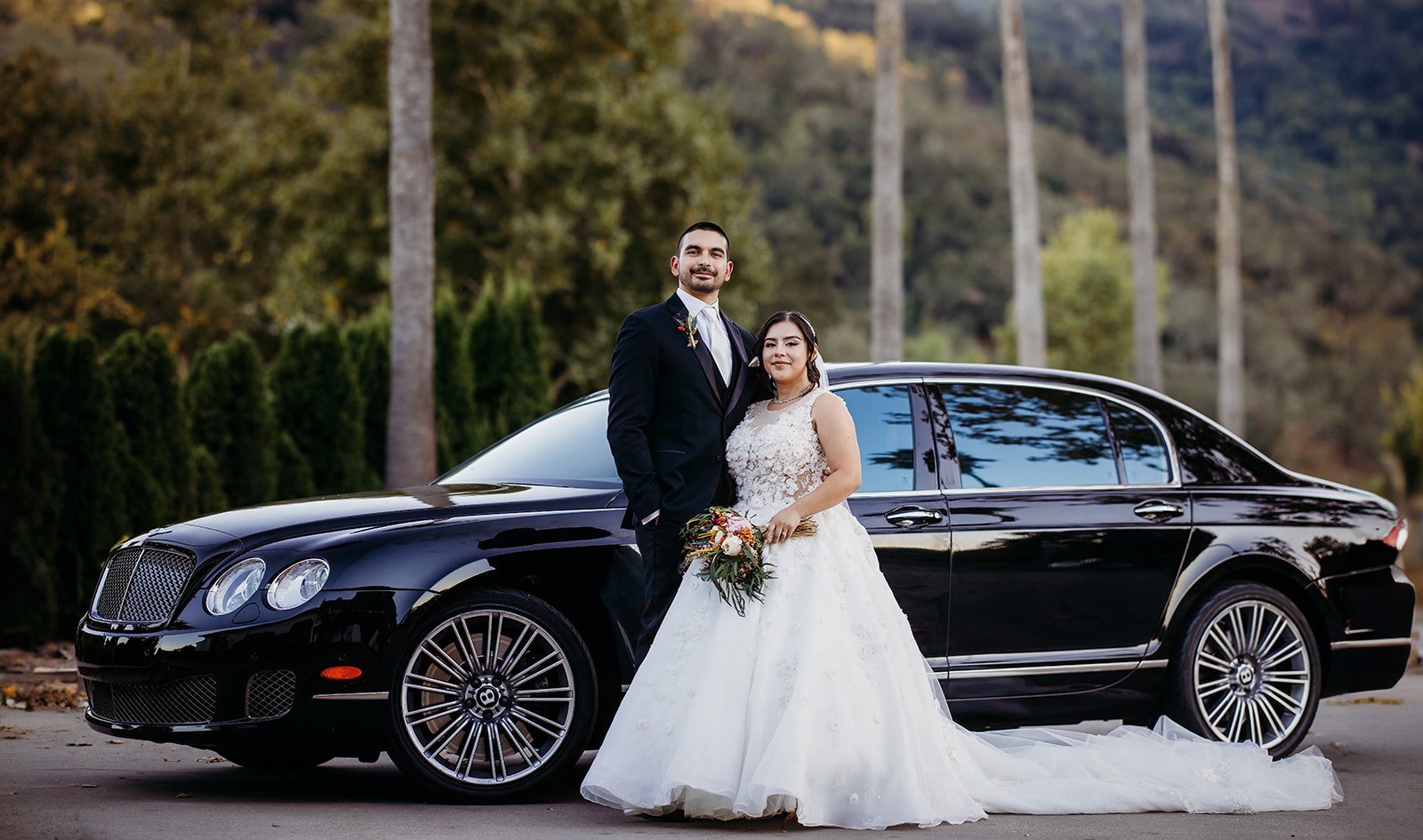
Think of this as the magazine photoshoot approach. Editorial photographers take direct inspiration from fashion and luxury publications—bold compositions, intentional lighting, carefully directed poses. The results feel cinematic and polished. Your portraits could appear in Vogue or Martha Stewart Weddings.
This style requires more direction on the day. Your photographer will guide you through poses, arrange your dress, and think carefully about every element in the frame. It takes more time during portrait sessions, but delivers a highly curated gallery.
Best for: Couples who love fashion photography, want their portraits to look like an editorial shoot, or have a highly styled, design-forward wedding.
Watch out for: Stiff or overly posed results. The best editorial photographers still capture warmth and connection—they just do it with intentional framing.
Fine Art
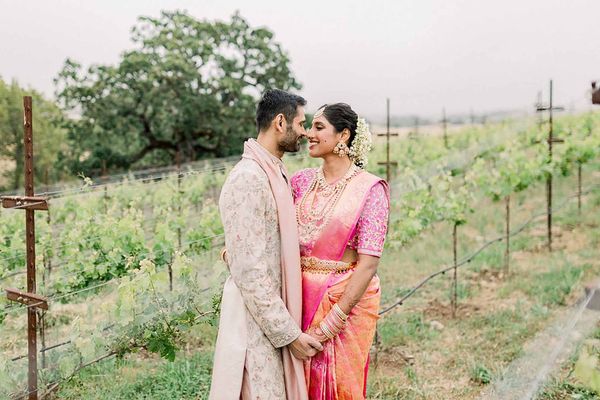
Fine art photography prioritizes composition, natural light, and artistic vision above all else. It often blends elements of both documentary and editorial—observing genuine moments but elevating them through thoughtful framing and an eye for beauty. Many fine art photographers also shoot on film (or a hybrid of film and digital), which adds a distinctive organic quality.
The result is a gallery that feels timeless and heirloom-quality—not trendy, not heavy with presets, but genuinely artistic.
Best for: Couples drawn to understated elegance, natural settings like vineyards and gardens, and photography that feels like art rather than documentation.
Watch out for: Portfolios that are beautiful but samey. Fine art work should show range across different weddings and lighting conditions, not just perfect-light sunny-day shots.
Lifestyle / Loosely Directed
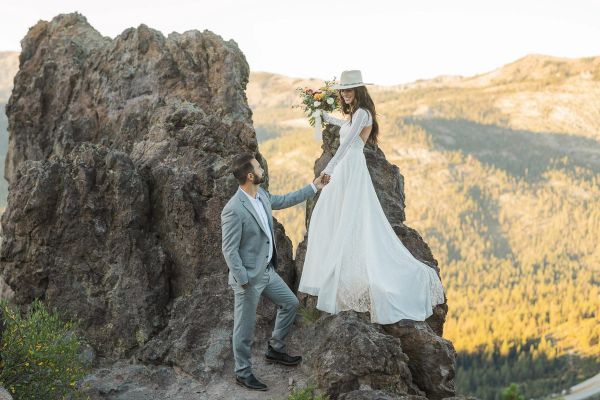
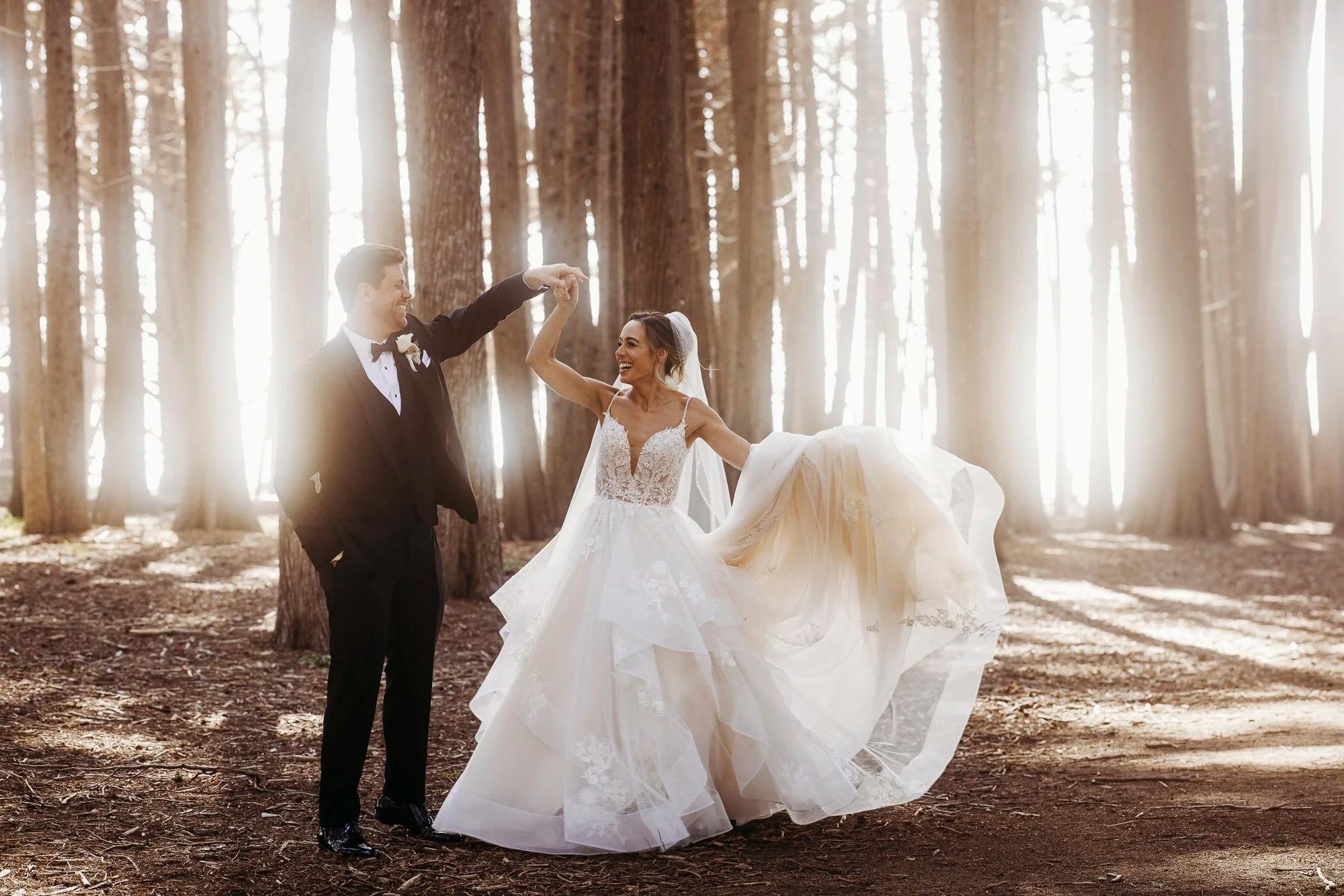
A middle ground between documentary and editorial. Lifestyle photographers will set the scene—suggest a walk, propose a location, give gentle prompts—but let genuine interaction unfold rather than posing you formally. The results look natural but are slightly more intentional than pure documentary.
This has become an extremely popular approach for Bay Area and wine country weddings, where the scenery is gorgeous and couples want beautiful portraits without feeling like they're in a photo shoot.
Best for: Couples who feel awkward being photographed but still want polished portraits. Also ideal for vineyard and garden settings where natural movement through the landscape looks stunning.
The Editing Styles That Shape Your Gallery
Technical shooting style is only half the picture. Here's how to read the editing aesthetic of a photographer's portfolio:
Light and Airy
High-key, bright, often slightly desaturated. Skin tones are warm but pale; shadows are lifted rather than dark. The mood is romantic, optimistic, dreamy. Works beautifully in natural light and outdoor settings but can look washed out in low-light environments or dramatic architecture.
Dark and Moody
Rich contrast, deep shadows, saturated tones. The mood is cinematic, intimate, atmospheric. Stunning for golden hour, candlelight receptions, and couples who want drama. Can feel heavy in bright outdoor settings if the photographer doesn't adjust their approach.
Film-Inspired
Emulates the look of analog film: slight grain, muted highlights, subtle color shifts (often warm oranges and cooler blues), natural skin tones without heavy processing. Feels nostalgic and organic. Many photographers shoot hybrid—some rolls of actual film alongside digital—to achieve this look authentically.
True to Color
Processed to reflect the actual colors of the day as accurately as possible. Enhances without dramatically altering. The most versatile style across different wedding aesthetics and the easiest to match across different media (prints, albums, screens).
How to Evaluate a Portfolio
When you browse a photographer's work, look beyond the hero images:
Look at full wedding galleries, not just curated highlights. The best shot from 800 images can look extraordinary. A full gallery reveals consistency, range, and how the photographer handles different lighting conditions throughout the day.
Look at weddings similar to yours. A photographer who shines in bright vineyard light may struggle in a dimly lit ballroom—or may be extraordinary in both. Find out which.
Look at faces. Expressions reveal whether subjects feel comfortable. Stiff smiles suggest heavy direction without rapport. Natural laughter and genuine emotion suggest the photographer connects well with people.
Check consistency. The editing style should be coherent across the entire gallery. Wild variation in tone and color from image to image suggests inconsistent processing or an inconsistent aesthetic.
Questions to Ask During Your Consultation
- Can I see a full gallery from a complete wedding day, start to finish? Not just a curated portfolio—a real wedding, unfiltered.
- Have you shot at my venue before? Familiarity with a venue's lighting quirks and timeline logistics is a real advantage.
- Will you be the photographer on my wedding day, or might you send an associate? Always confirm this in writing.
- How do you handle the getting-ready portion and family formals? This reveals their organizational approach and people skills.
- How many images will you deliver, and what's the typical turnaround? Most photographers deliver 400–800 edited images within 6–10 weeks.
- Do you bring a second shooter? Is that included or an add-on? A second shooter adds significant coverage depth, especially during ceremony and getting-ready moments happening simultaneously.
- What's your backup plan if you're ill or have an emergency on my wedding day? Every professional photographer should have a clear answer.
- How would you describe your working style during the wedding day? Their answer reveals how much direction to expect and whether their approach matches your comfort level.
- Can I see your contract, and does it specify who retains copyright to the images? You want a print release—the ability to print your images wherever you choose.
- What do you wish couples knew before their wedding day? Great photographers have strong opinions about timeline, golden hour windows, and family formal efficiency. Their answer reveals experience and communication style.
One Last Thing
Beyond style and portfolio, personality matters enormously. Your photographer will be one of the people you spend the most time with on your wedding day—they're present during intimate getting-ready moments, guiding you through portraits, and often the last vendor standing at the reception. Book someone you actually enjoy spending time with. Chemistry matters as much as craft.
Browse Vendors