If you’ve compared Bay Area wedding officiants, you’ve probably seen the same story play out: a clean, simple “ceremony-only” option around a few hundred dollars… and a premium package that can creep into the low thousands.
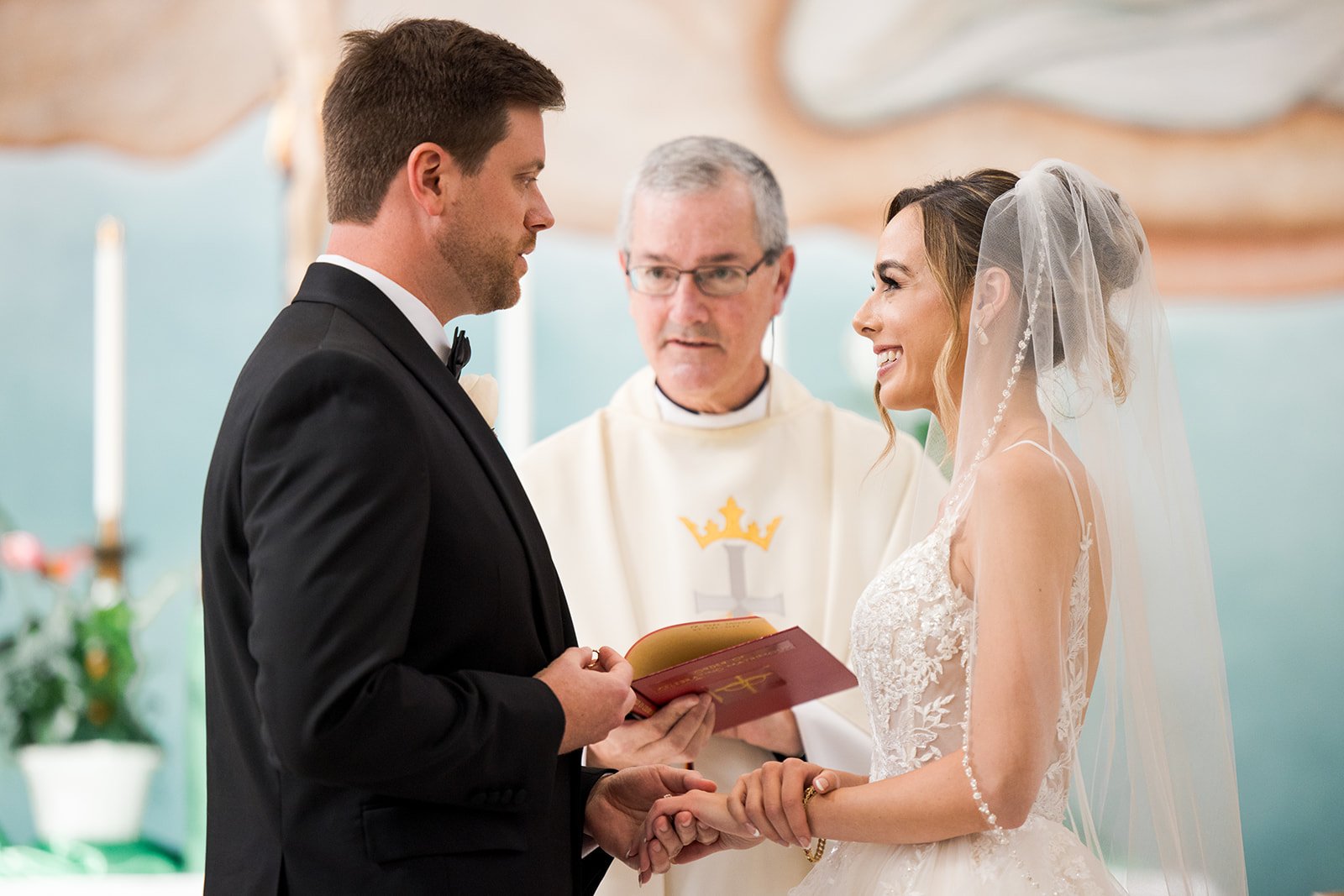
On the wedding day, both people stand at the front, say your names correctly, keep the ceremony moving, and pronounce you married. So what exactly are you paying for?
This guide breaks down what drives officiant pricing in the Bay Area, how to compare quotes that look similar, and where it’s actually smart to spend (or save).
Typical Bay Area officiant price ranges (2026 reality check)
Bay Area pricing varies wildly, but most couples land in one of these buckets:
- Friend or family member (ordained online): $0–$200 (usually a gift + any travel/attire)
- City Hall-style elopement officiant / simple ceremony: roughly $250–$550
- Customized, professional officiant for a full wedding: roughly $600–$1,200
- Highly customized, coaching-heavy, multi-event / high-demand dates: $1,200–$2,000+
A useful gut-check: if the quote is under $400, it’s usually designed for a short, straightforward ceremony with limited customization. If it’s over $1,200, you’re likely paying for a deeper writing process, more meetings, or unusual logistics.
Why two officiant quotes can “look the same” but aren’t
Most websites list a single number and a few bullet points. The real differences are in the details that don’t fit neatly on a pricing page.
1) Custom writing vs “choose-your-own-adventure” templates
Some officiants write from scratch (or close to it): your story, your values, your tone, your specific family dynamics.
Others use a strong framework and customize the highlights. That can still feel personal and warm — but it’s faster to produce, which is why it costs less.
What to ask:
- “Do you write the ceremony fresh, or do you adapt a set structure?”
- “Can we see a sample script from a real couple (with names removed)?”
2) The amount of planning you’re actually buying
A good officiant is half writer, half calm project manager. The more they’re expected to quarterback, the higher the price.
Lower-cost packages often include:
- One short call
- A questionnaire
- A standard ceremony outline
Higher-cost packages often include:
- Multiple planning calls
- Help structuring vows (or editing them)
- A full rehearsal (or detailed rehearsal plan)
- Coordination with your planner/coordinator on ceremony timing
Translation: you’re not paying for the 20–30 minutes on the day. You’re paying for the hours of thinking and editing beforehand.
3) Bay Area logistics (travel, timing, and “hard” venues)
Officiants price in the friction:
- Traffic and distance (Napa/Sonoma, Santa Cruz, Half Moon Bay, Marin, etc.)
- High-wind coastal ceremonies (audio needs, script control, pacing)
- Venues with strict rules (where rehearsals and cues matter)
- Remote ceremony sites (parking, shuttles, limited setup time)
If your ceremony location is a “load-in” situation, your officiant may be building a mini logistics plan to keep things smooth.
4) Rehearsal: included, optional, or strategically avoided
Rehearsals can be genuinely helpful — but only if the wedding has moving parts (processional complexity, large family groups, cultural elements, or a difficult ceremony site).
Some officiants include rehearsals by default. Others price them as an add-on. Neither is automatically better.
A Bay Area truth: many weddings run a tight schedule with venue access limits, so the best rehearsal is sometimes a 20-minute “ceremony walk-through” earlier in the day (or a detailed plan sent to your coordinator).
5) Cultural, bilingual, or interfaith ceremonies
If you’re planning a ceremony that is:
- bilingual or multilingual
- interfaith
- incorporating multiple traditions
- requiring sensitive family balance
…you’re often paying for extra research, careful wording, and more planning time.
The hidden line items that turn “$500” into “$1,100”
This is where couples get surprised. Common add-ons include:
- travel fees (or a mileage minimum)
- rehearsal fee
- script writing fee (separate from “officiating”)
- additional planning meetings
- vow coaching/editing
- sound amplification / mic management (especially outdoors)
- holiday / peak-date premium (think Saturdays in late spring through fall)
When comparing quotes, ask for the “all-in” number for your specific date and location.
How to decide what level of officiant you actually need
Here’s a practical way to match the service to the wedding.
You can probably go simple if:
- You want a short ceremony (10–15 minutes)
- You’re not doing readings/rituals
- You have a coordinator who can line people up
- You’re comfortable with a more standard script
You’ll benefit from a higher-touch officiant if:
- You want your story told in a specific voice (funny, literary, deeply personal)
- Family dynamics are complicated and you want a steady hand
- You’re blending traditions and want it to feel coherent
- The venue is tricky (wind, sound, strict timing)
- You’re writing your own vows and want support
7 questions that reveal whether the price is “worth it”
Ask these on a call. They’re more useful than “what’s included?”
- “How do you learn our story?” (questionnaire only vs interview)
- “How many revisions are included?”
- “What happens if we’re running late?” (flexibility matters)
- “Who cues the processional?” (officiant vs coordinator)
- “Do you carry a backup copy of the script?” (and how)
- “What’s your plan if you get sick?” (backup officiant network)
- “Have you officiated at our venue or in similar conditions?”
If someone can answer these cleanly, you’re usually dealing with a true professional — regardless of the exact number.
A short Bay Area–specific shortlist (real options to compare)
If you want a few real anchors while you research, here are some Bay Area–area options with publicly listed starting points or commonly advertised ranges. Every vendor’s packages change — confirm current terms with their events team.
- MC Lavina (Bay Area) — lists an officiant package at $550 and offers add-ons like rehearsal and language support.
- San Francisco City Hall–focused private officiants — many City Hall packages and local providers cite roughly $250–$350 as a common range for a simple private officiant add-on.
- Prismatic Ceremonies (Zola listing) — shows prices starting at $375.
Even if you don’t book any of these, comparing your quote against a few real benchmarks makes it easier to spot when a proposal is unusually high (or suspiciously low).
How to save money without ending up with a boring ceremony
If you’re trying to keep this line item sane:
1) Keep the ceremony intentionally short
A well-written 12-minute ceremony feels modern and confident — and it reduces the amount of script writing and coordination needed.
2) Do one meaningful personalized element
Instead of paying for a fully custom narrative plus multiple readings plus rituals, pick one:
- a strong opening story
- a short moment about family
- one ritual that actually fits you
3) Use a friend — but treat it like a real vendor
If a friend is officiating, support them:
- pay for a coaching session with a professional officiant
- schedule a real rehearsal or walk-through
- give them a script early
You’ll get the warmth of a personal connection without the “we’re winging it” vibe.
The bottom line
A $500 officiant and a $2,000 officiant can both deliver a beautiful ceremony — but they’re often selling different things:
- one is selling a well-run, efficient ceremony
- the other is selling time: interviews, writing, editing, coaching, and contingency planning
The right choice depends less on your budget and more on how complex your ceremony is, how personal you want it to feel, and how much you want a pro steering the ship.
If you want to compare a few finalists, ask for sample scripts, confirm the all-in total for your date/location, and prioritize the person who feels calm, prepared, and aligned with your tone.
Browse Vendors