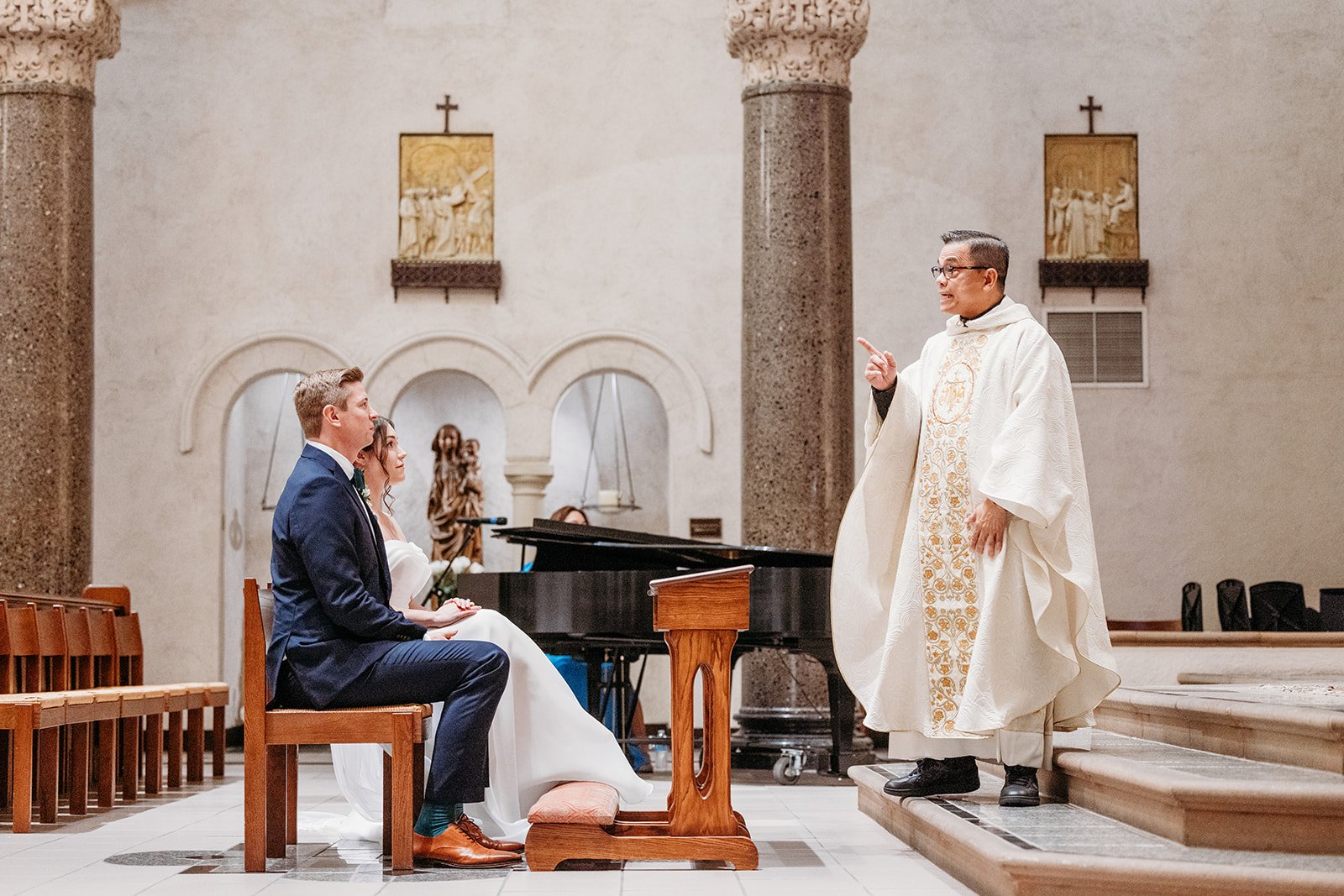
Your officiant does more than “say the words.” In the Bay Area, they’re often the person who sets the emotional tone, keeps the ceremony running smoothly, and makes sure the paperwork is handled correctly. The right fit can make a 15-minute ceremony feel like the heart of your day.
This guide breaks down who can legally officiate in California, what Bay Area couples typically pay, and how to choose an officiant who feels like you — whether you want heartfelt and spiritual, short and sweet, or fully custom.
Quick reality check: what an officiant actually does
An experienced officiant isn’t just a microphone holder. They’ll usually:
- Help you shape the ceremony structure (welcome, readings, vows, ring exchange, pronouncement)
- Write a personalized script (or guide you through writing it)
- Coach you on pacing, where to stand, and how to handle nerves
- Coordinate with your planner/DJ for processional timing and microphone needs
- Review your marriage license before the ceremony (this matters legally)
- Sign and return your license after the ceremony
That mix of writing + public speaking + logistics is why officiants vary so much in price and style.
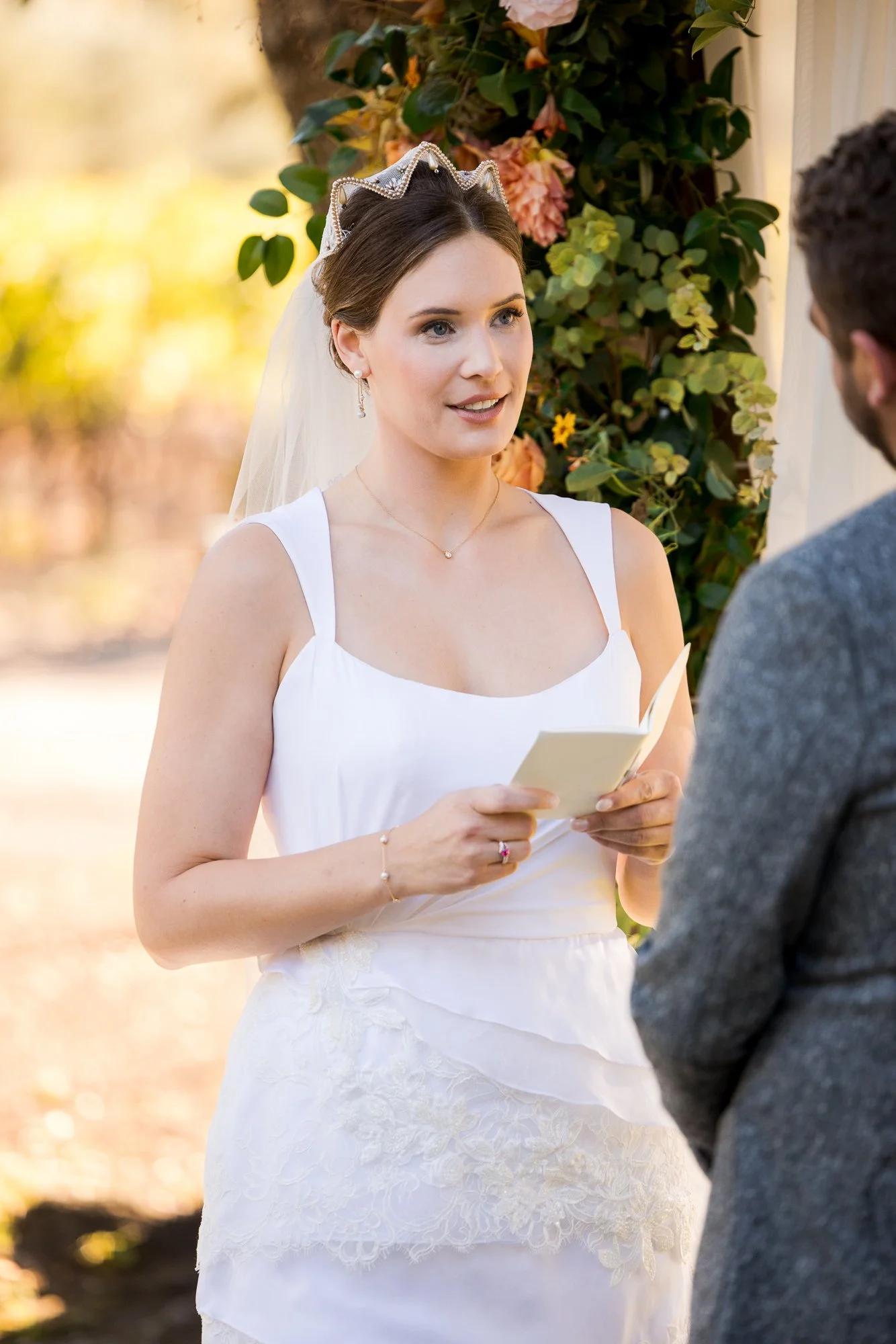
Who can officiate a wedding in California (and what’s different here)
California is flexible, but it’s not “any friend can do it automatically.” The state spells out who can solemnize a marriage in the California Family Code, and California’s public health guidance emphasizes that clergy authority comes from ordination/investment by their denomination. It also notes that the officiant must review the marriage license before solemnizing the marriage, and that the signed certificate must be returned to the county recorder within 10 days after the ceremony.
Practical takeaways for Bay Area couples:
- If you want a friend to officiate, plan early so they can become legally eligible (often via ordination) or use a county’s one-day deputy program if available.
- If you’re getting married outside the county where you got your license, confirm who will return the signed paperwork and how.
- Build your ceremony timeline around the legal step: having your license in hand and ready to be reviewed.
Bay Area officiant pricing in 2026: what couples are actually paying
Officiant costs usually depend on customization and travel more than the length of the ceremony.
Typical Bay Area ranges
Most couples in the Bay Area will see quotes in these general ranges:
- $300–$600: Simple ceremony script, minimal customization, local travel
- $600–$1,200: Fully personalized ceremony writing + planning calls + rehearsal
- $1,200+: Complex ceremonies (multiple cultures/faiths), premium storytelling, destination-style travel within Northern California
If you’re comparing quotes, ask what’s included: writing, rehearsal attendance, travel, and whether they handle license return.
A concrete example: San Francisco City Hall fees
If you’re doing a City Hall ceremony in San Francisco, the county clerk’s fee schedule is a helpful baseline for “official” pricing:
- Public marriage license: $127
- Confidential marriage license: $127
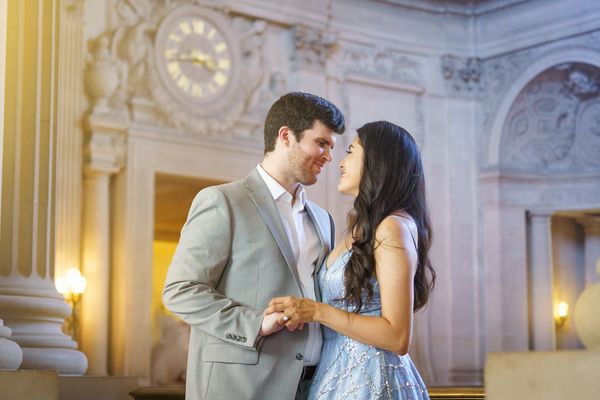
- Civil marriage ceremony (City Hall): $111
- One-Day Deputy Marriage Commissioner: $182
Those numbers don’t replace a private officiant, but they help you sanity-check your overall ceremony budget.
6 types of officiants you’ll find around the Bay Area
Different officiants feel dramatically different in person — especially once you’re standing in front of 120 guests on a windy Sausalito overlook.
1) Professional non-denominational officiants
Best for couples who want a custom ceremony without being tied to a specific religion. Many are excellent writers and storytellers.
Look for:
- Clear process for gathering your story
- Sample scripts that feel modern (not cheesy)
- Comfort with outdoor sound and timing
2) Religious clergy
Best for couples who are active in a faith community, or who want a ceremony with specific religious rituals. If you’re getting married in a church/temple, this may be the default.
Ask:
- Whether premarital counseling is required
- Whether the ceremony can include non-religious readings
- How flexible they are with length and personalization
3) A friend or family member
This can be incredibly meaningful — and it often leads to the most laughter.
To make it work:
- Choose someone who’s comfortable speaking clearly and slowly
- Give them time to practice (and write)
- Have a “backup adult” who can step in if they freeze
In the Bay Area, the biggest risk isn’t the performance — it’s the paperwork and the timeline. Treat it like a real vendor.
4) County “one-day deputy” style options
Some counties offer a one-day deputy marriage commissioner program (availability varies). In San Francisco, the clerk lists a One-Day Deputy Marriage Commissioner fee.
If you go this route, confirm:
- Eligibility and appointment requirements
- Whether the deputy authority is valid for your ceremony location
- Exactly who is responsible for returning the signed license
5) Multicultural / bilingual ceremony specialists
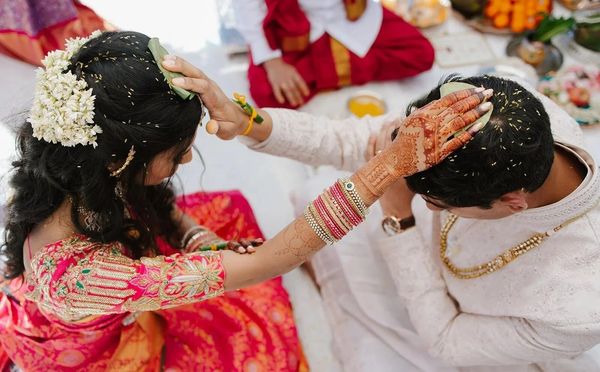
For Bay Area couples blending cultures (Indian + American, Chinese + Vietnamese, Jewish + Filipino, etc.), a specialist officiant can be worth every penny.
They can help you:
- Explain rituals for guests who don’t know them
- Balance time so one side doesn’t feel like an “add-on”
- Translate key moments without losing emotion
6) “Minimalist” elopement officiants
Perfect for redwoods elopements, beach ceremonies, or a quick vow exchange before dinner in North Beach.
Ask for:
- A tight script that still feels personal
- Guidance on witnesses (especially if you’re using a public license)
- How they’ll handle wind/noise outdoors
How to choose the right officiant (a practical checklist)
You don’t need 10 calls. You need one good conversation and a few targeted questions.
Questions to ask on the first call
- How do you write a ceremony — do you interview us, send a questionnaire, or both?
- Can we see a few sample scripts that match our vibe?
- Do you attend rehearsals, and is that included?
- How do you handle microphones and outdoor ceremonies?
- Who is responsible for returning the signed marriage license, and what’s your process?
- If you’re sick or have an emergency, what is your backup plan?
Green flags
- They ask about your guests and your venue (not just your love story)
- Their writing sounds like real people, not a template
- They talk about pacing and pauses (the difference between “fine” and “great”)
Red flags
- They won’t show scripts or video clips
- They can’t clearly explain their paperwork process
- Their “custom” ceremony sounds identical across samples
A Bay Area-friendly ceremony timeline (so the day feels smooth)
Here’s a simple structure that works for most venues from SF rooftops to wine country estates:
- Processional (3–5 min)
- Welcome + grounding moment (1–2 min)
- Your story (2–4 min)
- Reading (optional) (1–2 min)
- Vows (3–6 min)
- Ring exchange (1–2 min)
- Pronouncement + kiss (30 sec)
- Recessional (2–3 min)
Total: 12–25 minutes depending on readings and vow length.
If you’re outdoors (redwoods, coast, vineyards), keep it slightly shorter than you think — wind, sun, and guest comfort matter.
Final tips: the two things couples forget
1) Sound is everything
In the Bay Area, ceremonies often happen outside. If your officiant doesn’t project (or you don’t have a mic), half your guests will miss the words that matter.
2) Paperwork isn’t glamorous, but it’s the whole point
California guidance notes the officiant must review the marriage license before solemnizing the marriage, and it highlights a 10-day deadline to return the signed certificate to the county recorder. Build a tiny “paperwork moment” into your day so nothing gets rushed.
If you’re still deciding, start by choosing your ceremony vibe (funny, solemn, spiritual, minimalist), then pick the officiant who can execute that vibe calmly and clearly. In a region as diverse as the Bay Area, the best ceremonies feel personal — not performative.
Browse Vendors